


The main currency pair remains under pressure.
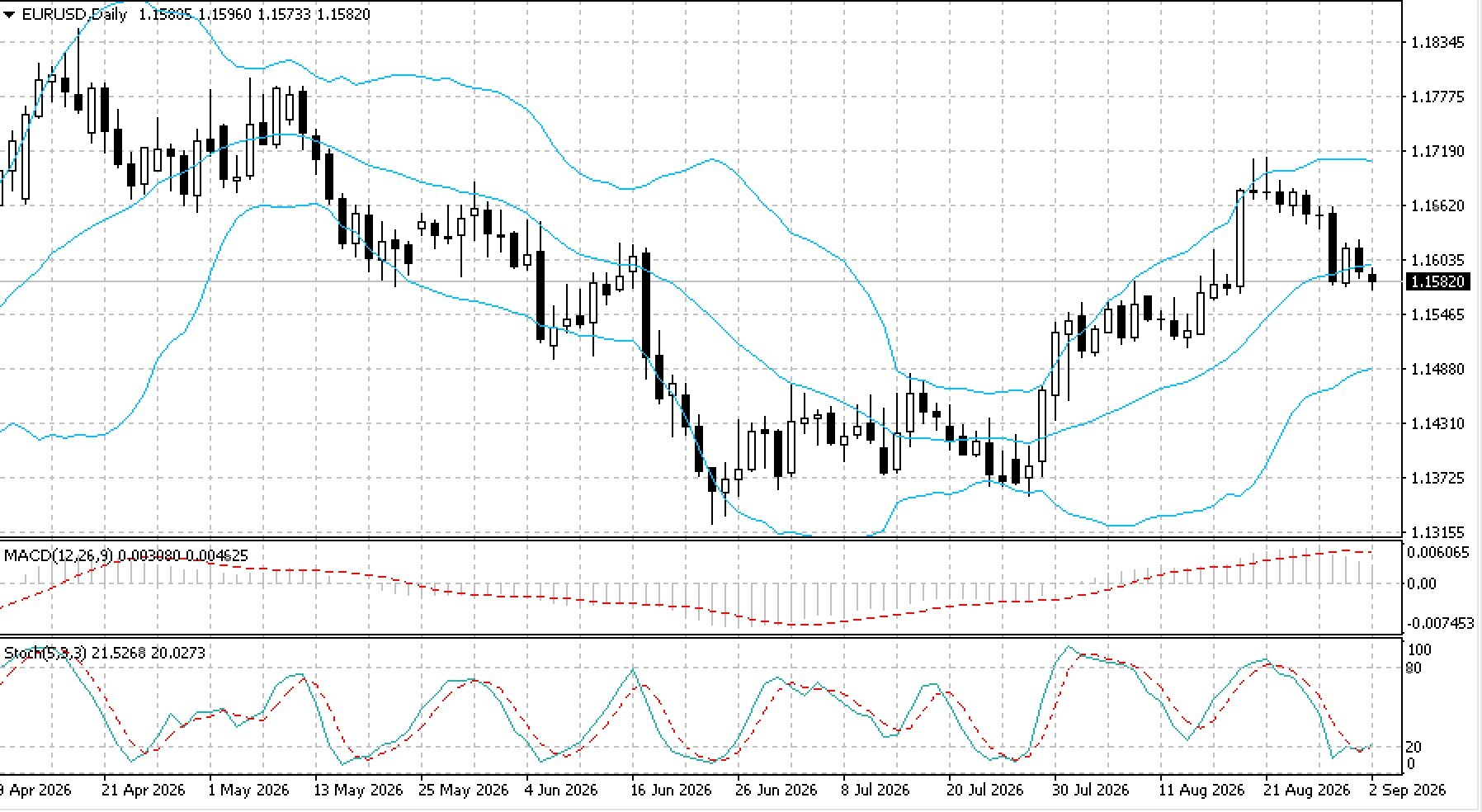
EURUSD is trading around 1.1577 on Wednesday.
On the daily chart, EURUSD remains within the 1.1540–1.1640 range.
EURUSD continues to move lower despite weaker-than-expected US data. The US Dollar Index has risen toward 99.8, its highest level in almost two weeks, while the euro has slipped below 1.1580. The dollar is being supported by a combination of factors: a renewed escalation in the US-Iran conflict, higher oil prices and rising US Treasury yields. In this environment, the dollar is benefiting both from safe-haven demand and from a reassessment of Federal Reserve rate expectations.
The European backdrop remains mixed. Eurozone inflation accelerating to 3.3% y/y has largely reinforced expectations for an ECB rate hike at the 10 September meeting, but higher energy prices are also becoming an additional risk for the regional economy. Europe is significantly more dependent than the US on imported oil and gas, meaning Brent’s rise toward $96 increases inflation expectations while simultaneously weakening the outlook for consumption and industrial activity. As a result, a more hawkish ECB alone is not yet enough to give the euro a sustainable advantage over the dollar.
US data released on Tuesday came in softer than expected. JOLTS job openings fell to 7.271 million in July versus expectations of around 7.33 million, while manufacturing activity slowed in August following a strong July. Under normal circumstances, these signals could have reduced expectations for further Fed tightening, but the renewed energy shock is currently overshadowing them. The 10-year Treasury yield has climbed to around 4.81%, while markets are pricing in roughly a 68% probability of a September Fed rate hike.
Today, attention shifts to fresh US labour market data, including the ADP employment report. Weak figures could revive doubts over the need for a September rate increase and give EURUSD some room to recover. However, as long as oil remains near multi-week highs and Treasury yields continue to rise, the fundamental balance still favours the dollar. For the euro, the key condition for a more sustainable reversal would be either an easing in geopolitical tensions or a series of clearly weaker US economic releases.


Comments
Log in or sign up to join the conversation.