

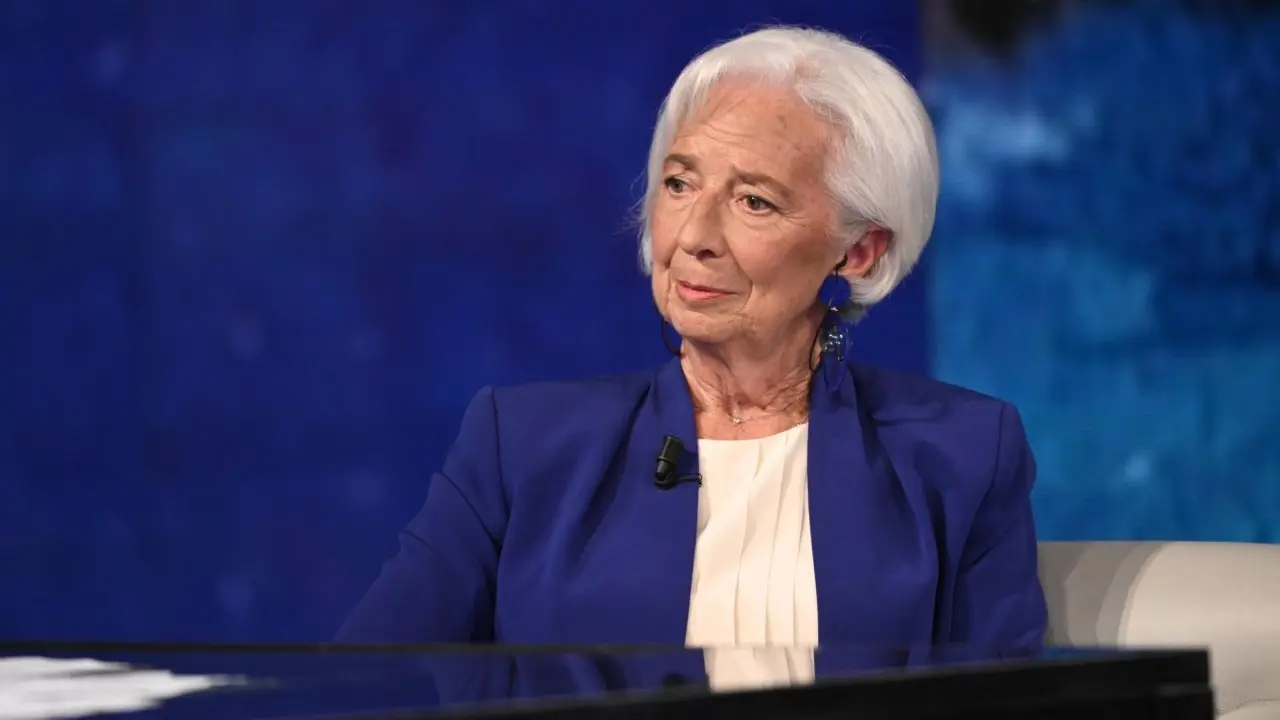
While we expect the European Central Bank to stay on hold next week, a surprise hike should not entirely be ruled out
Just weeks ago, the 23 July ECB meeting looked like a formality — the last stop before summer break, the one meeting no one would have missed had it been cancelled at the last minute. However, the new escalation in the Middle East and the renewed rise in energy prices have changed the picture once again. Instead of gradually transitioning into summer vacation mode and postponing any rate decision until after the summer, some ECB officials might actually be inclined to push more forcefully for another rate hike.
Oil prices on a roller-coaster ride
Since the 11 June meeting and the decision to hike rates by 25bp to 2.25%, the external environment, including energy prices, has been on a roller-coaster ride. The late-June ECB conference in Sintra confirmed the macro backdrop of the central bank’s base-case scenario and highlighted policymakers' determination to continue hiking rates. But the subsequent drop in energy prices to below pre-war levels likely removed doubts about a rate hike. Now, with the renewed tensions in the Middle East and energy prices rising again, these doubts will have disappeared again. Instead, a week before the next ECB meeting, the macro backdrop looks very similar to the one in early June.
What does this mean for next week's meeting?
Remember that next week’s meeting will not come with new macro projections. Still, expect the ECB to have at least run an internal update of where the June projections currently stand, taking the latest oil price developments into account. With current energy prices, we are right back at the ECB’s base case scenario from June. This is a scenario that was built on market assumptions: a total of at least two rate hikes, headline inflation gradually coming down over the course of 2027, and core inflation remaining slightly above 2% for the entire forecast horizon.
Surprisingly slow inflation data in June and very little sign of indirect or even second-round effects should have taken away the urge to hike policy rates further. Still, the ECB’s base case scenario will be a clear argument in favour of yet another rate hike. And not only in the base case scenario. The entire discussion about the ‘insurance rate hike’ actually also favours a second hike. Why? Well, if the ECB sticks to a ‘one and done’ hike, it could eventually be seen as a ‘panic hike’, inviting criticism that the ECB jumped the gun. A second rate hike could, of course, worsen a policy mistake. But, following the ECB’s own logic, it would strengthen the narrative that such a hike is required to reach the base-case inflation scenario. Remember that monetary policy is not only a science but also an art, and, to an increasing degree, communication and psychology.
Until early last week, we would have argued that lower energy prices took the rate hike option entirely off the table for the ECB’s July meeting. But some members might feel tempted to use the latest resurgence in energy prices as a reason to get things done as quickly as possible, potentially even as soon as next week. While the ECB doesn’t have a recent track record of surprising markets, hiking rates next week would simply get the job done. Also, at least for the hawks, there remains a risk that any relief in oil markets ahead of the September meeting could mechanically lower inflation forecasts, removing the justification for a second rate hike.
All in all, there remains a small chance that the ECB will hike next week. The more realistic scenario, however, is a hike at the September meeting. In any case, instead of a summer lull, next week’s meeting promises one last clash between the hawks and doves before anyone reaches for the sunscreen. The towels may already be laid out, but for the ECB, the beach break will have to wait.


Comments
Log in or sign up to join the conversation.