

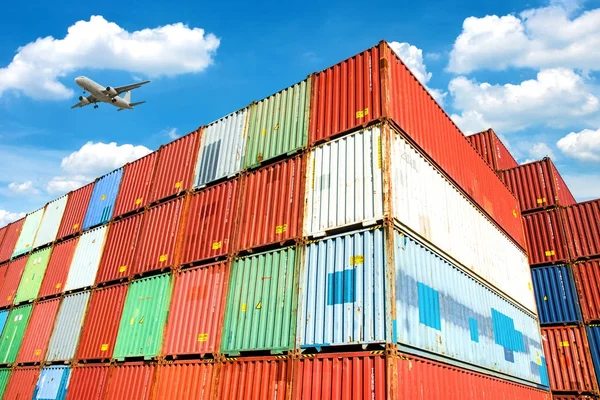
After promising industrial production figures and encouraging sentiment indicators in recent weeks, today's export data dents the narrative of German resilience.
German exports dropped for the second month in a row in August.
Trade is where German resilience is faltering. While German exporters benefited from Asian competitors being hit harder by the closure of the Strait of Hormuz in the second quarter, the third quarter so far has been a setback.
In August, German exports fell 0.8% month-on-month, down from -0.5% MoM in July. At the same time, imports increased by 0.9% MoM, widening the German trade surplus to €19.5bn. The disappointing export performance in July and August could be a sign of how low water levels in main rivers have been affecting the economy.
Structural shifts in the German export sector continue
It is clear that the structural challenges for German exporters remain: geopolitical shifts and trade tensions are clearly affecting an economy that benefited enormously from free trade.
The geopolitical shifts are clearly reflected in the shifting nature of German trade. The most remarkable one is the changing role of China, from a welcome export destination to a rival. In the first half of the year, only 4% of German exports went to China, compared with around 8% in 2020. At the same time, and despite tariff tensions, exports to the US remain strong, with the US still accounting for more than 9% of total German exports. As for Europe, any German Schadenfreude over France's fiscal difficulties would be misplaced. France accounts for more than 7% of German exports, meaning any economic weakness there is unlikely to leave Germany unscathed.
Turning back to China, Germany and France have begun to take a tougher stance on what they see as unfair competition. Both governments have advocated giving the European Commission, which is already responsible for trade policies in Europe, stronger powers to respond. In particular, they want to strengthen the anti-coercion instrument, aka Europe's "trade bazooka", making it faster, more effective and easier to deploy.
All in all, after promising industrial production data yesterday and encouraging sentiment indicators in recent months, today’s trade data clearly bruises the German resilience narrative.


Comments
Log in or sign up to join the conversation.