

The European Central Bank just announced the first rate hike since September 2023 in an attempt to preemptively tackle increasing inflation and to demonstrate its inflation-fighting spirit.
Fighting the ghosts from the past. The ECB just announced the first rate hike since 2023, hiking interest rates by 25bp and bringing the main policy rate, the deposit rate, to 2.25%. According to the official communication, the rate hike decision was driven by increased inflation pressure due to the war in the Middle East.
Fighting ghosts from the past
Officially, today’s ECB decision is the expected insurance rate hike and an attempt to stay ahead of the curve, as an inflation wave is clearly hitting the eurozone economy. Unofficially, however, we can’t shake the idea that the ECB is actually fighting ghosts from the past. Specifically, the far-too-late reaction to the inflation shock in 2021 and 2022. Remember that at the time, the ECB dwelt for too long on the idea that an inflation surge driven by supply shocks was 'transitory' and could be looked through. If not for the experience of 2022, “transitory” could well be the label used today. So far, the increase in headline inflation has remained moderate. And while the knock-on effects of higher energy prices on other prices, like transportation and food, will be hard to avoid, the latest survey-based inflation expectations have actually come down a bit.
This relatively well-behaved inflation trajectory is also reflected in the ECB’s latest staff projections. Headline inflation is expected to come in at 3.0% this year, 2.3% in 2027 and 2.0% in 2028, slightly up from the March projections. The GDP growth forecasts come in at 0.8% in 2026, 1.2% in 2027 and 1.5% in 2028, slightly down for 2026 and 2027 compared with the March projections. Overall, not a forecast that immediately calls for aggressive rate hikes.
Even as some critics argue the ECB risks repeating its 2022 mistake of reacting too late to an obvious inflation shock, the comparison with that period is flawed – not least in terms of fiscal stimulus and savings. Back in 2022, eurozone inflation was already above 4% year-on-year when the energy price shock hit. The ECB’s infamous late reaction came with a first rate hike in July 2022, when headline inflation was actually above 8% YoY. Also, back then, less than 25% of the main inflation components had an inflation rate of less than 1% YoY. In April this year, it was 50%. And don't forget, that first hike in 2022 came from a policy rate of -0.5%. Currently, the policy rate is at 2%.
Still, memories of 2022 – and the acknowledgement that the ECB held on too long to the ‘transitory’ inflation narrative – are now driving the push for rate hikes. This is a kind of insurance rate hike, as the risk of doing nothing and potentially falling behind the curve is larger than the risk of any adverse effects on growth from higher interest rates. However, continuing to hike rates after today’s decision increases the risk of repeating another mistake from the past: the rate hikes in 2011 when the ECB thought that the European sovereign debt crisis was over and inflation started to pick up, only to find out a few months later that the eurozone economy was on the brink of deflation. The rate hikes had to be reversed quickly. Underestimating the impact of an exogenous shock on growth has happened before.
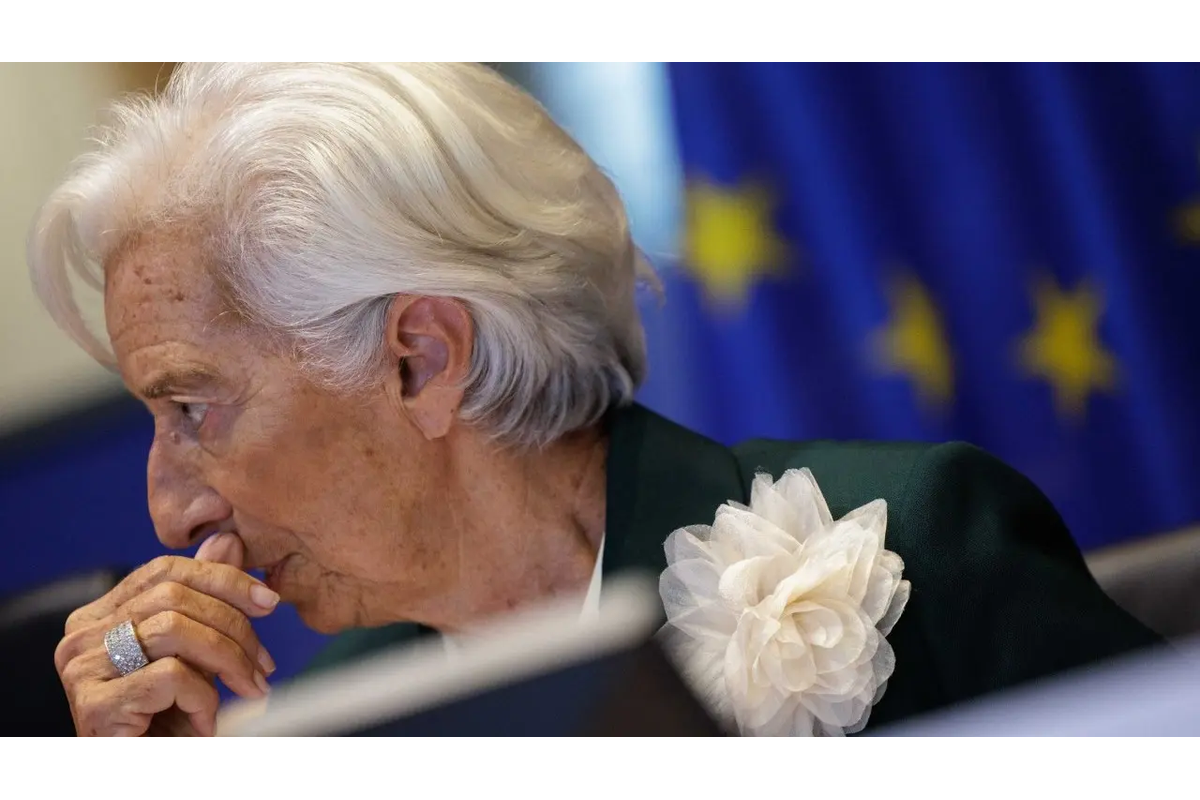
Let’s hear from ECB President Christine Lagarde at the press conference, starting at 2.45pm CET, whether the ECB already has plans for additional hikes or prefers to keep all options open. In any case, the risk is high that by fighting the ghosts from 2022, the ECB could be gradually repeating its mistakes from 2011.

Comments
Log in or sign up to join the conversation.