


The 2026 midterm elections delivered a stronger-than-expected Democratic wave, raising new questions about the future of AI infrastructure spending, data center construction, and the technology-led bull market. Stocks responded with a sharp selloff, but how much of the decline reflected legitimate changes in the fundamental outlook, and how much was amplified by forced selling and deleveraging?
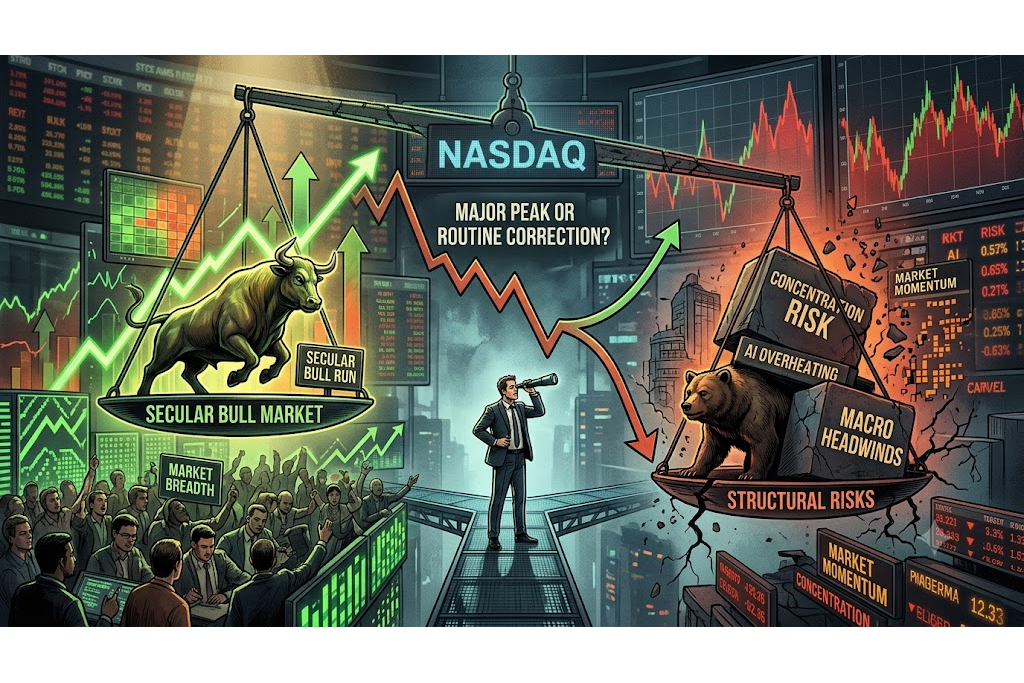
This week's video examines the evidence behind the headlines and asks whether investors are witnessing a temporary disruption in an ongoing bull market or the early stages of a more meaningful shift.
We begin by separating concerns about data center development from measurable evidence of harm to surrounding communities. Political opposition and regulatory uncertainty have increased, but what do we actually know about the economic benefits, electricity consumption, and potential costs?
We also examine the range of possible policy responses and what they could mean for future investment.
Next, we review evidence from major Wall Street firms suggesting that leveraged ETF rebalancing, hedge fund deleveraging, and forced liquidations amplified the market's decline. Understanding the mechanics behind a selloff can help investors distinguish temporary selling pressure from more persistent deterioration.
From there, we turn to the charts. The Nasdaq 100 has experienced a significant pullback, but important longer-term technical reference points remain relevant. Historical evidence also provides perspective on how frequently stocks experience 3%–6% declines, even during healthy bull markets.
We examine additional evidence from market breadth, high-yield bonds, relative strength, and sector rotation. Are large-cap growth stocks experiencing a temporary setback, or is market leadership beginning to change? What are semiconductor stocks telling us about expectations for AI capital spending? And how do current market conditions compare with previous periods of sustained weakness, including the 2000–2002 bear market?


Comments
Log in or sign up to join the conversation.