

‘Risk appetite is back — and it's back because Washington and Tehran look like they're heading to the table, not the trenches. Oil, yields and the Dollar all holding inside Friday's ranges is the tell: markets aren't pricing weekend panic; they're pricing de-escalation. But the all-clear hasn't been sounded. Inflation hawks remain on the field; the Strait of Hormuz is still a tail risk one headline away from reopening; and tech leadership has narrowed sharply after last week's volatility – this is a more selective rally, not a broad one. The peace premium has returned to the tape. The question now is whether central banks will let markets keep it.”
US equity futures are firmer at the start of the week after reports that Washington and Tehran have agreed to suspend further military action and resume talks in Qatar. S&P 500 and Nasdaq 100 futures are both up around 0.6%, though off their best levels, while European futures point to a modestly positive open. The key market message is that investors have not been materially unsettled by the weekend’s renewed attacks, because the prospect of diplomacy restarting has again capped the geopolitical risk premium. Asia was steadier rather than euphoric. The MSCI Asia Pacific Index was broadly resilient, with eight of eleven sectors closing higher, even as Samsung Electronics and SK Hynix dragged on the regional benchmark. That rotation matters: investors are not simply chasing the same megacap tech names after last week’s volatility. Instead, the underlying market tone has improved while semiconductor leadership remains more selective. Oil reflects the same cautious relief. Brent is up around 0.6% near $72.40/bbl, having retreated from earlier highs. The weekend escalation was serious — including reported Iranian strikes on shipping and military sites, followed by US counterstrikes — but renewed talks in Qatar have contained the move. Brent, US Treasury yields and the Dollar index all remain within Friday’s ranges, suggesting markets are treating the latest flare-up as a disruption to the peace process rather than a collapse of it.That said, the conflict risk has not disappeared. The Strait of Hormuz remains the central fault line, and the fact that attacks on vessels have resumed means the normalisation narrative is fragile. Markets are still pricing a relatively benign outcome, but the margin for disappointment is thin. If talks in Qatar fail to produce a credible mechanism for Hormuz security, crude could quickly rebuild some risk premium.
South Korea is the main regional focus. Samsung Electronics and SK Group are expected to announce major investment plans alongside new government initiatives, with local reports suggesting total commitments could exceed $1.3 trillion over the next decade. If confirmed, that would be a powerful structural support for South Korea’s semiconductor and advanced manufacturing base. It also matters for the global AI supply chain, because investors are trying to distinguish between short-term positioning volatility and genuine long-term capacity expansion.The near-term market challenge is that the AI trade remains crowded. Samsung and SK Hynix weighing on Asian indices shows that investors are still cautious about chasing the chip rally after the recent forced unwind. But large-scale investment announcements could help re-anchor the story around long-term demand for memory, data-centre infrastructure and advanced manufacturing.
Central bankers, however, are not ready to declare victory. ECB hawk Isabel Schnabel warned over the weekend that food, goods and services inflation all face upside risks. That is consistent with her role as one of the Governing Council’s more hawkish voices, and it comes ahead of this week’s ECB Sintra conference, where other policymakers may offer a more balanced view. Still, her comments are a reminder that lower oil alone does not remove the risk of second-round effects.The same caution is visible in the US. Fed’s Barkin, a 2026 non-voter, said it is hard to be confident inflation is returning to 2% without further influence from the Fed funds rate. That aligns with the broader message from recent Fed communication: policymakers are not prepared to lean dovish simply because energy prices have retraced. They remain focused on sticky inflation, services prices and the durability of demand.This is important because markets are again enjoying a peace premium. If geopolitical risk keeps fading and oil stays near the low $70s, financial conditions could ease quickly through higher equities, lower inflation expectations and improved confidence. Central banks may be uncomfortable with that if core inflation remains too high. The result is a familiar tension: markets want to price relief; policymakers want to prevent that relief from becoming premature easing. Late Friday’s S&P affirmation of the US sovereign rating at AA+ fits into that backdrop. S&P noted that broad revenue buoyancy, including solid tariff income, should help mitigate fiscal slippage risk. In plain terms, the US fiscal position remains challenging, but stronger nominal growth and revenue momentum provide a buffer. That is a contrast with economies facing fiscal pressure without comparable growth resilience.
The UK is the obvious example. Presumptive Prime Minister Andy Burnham speaks today at 11:30am BST on devolution and the economy. The early press lines suggest the speech may not answer the key market questions around fiscal aggregates, gilt supply or potential changes to the fiscal rules. That means gilts may get rhetoric on growth and regional policy rather than clarity on borrowing constraints. For markets, the key issue is still whether a Burnham government would pursue extra investment within the existing fiscal framework, and whether that would be offset by restraint in current spending. Recent comments from his advisers have moved in a more gilt-friendly direction, with greater emphasis on debt sustainability and the need to address the rise in public spending. But uncertainty remains high. A credible growth strategy could be constructive; a strategy that raises gilt supply without clear discipline would be more difficult for markets to absorb. The UK data calendar will also matter for the BoE. Money and credit data arrive today, followed by the Lloyds Business Barometer and final Q1 GDP tomorrow, final PMIs through the week, the BoE credit conditions survey on Thursday and the Decision Makers Panel on Friday. The BoE will be looking for two things: whether credit conditions have tightened after the war shock, and whether inflation expectations have risen again after last month’s jump.The BoE remains in an “active hold” posture. The case for not hiking further rests on the idea that policy is already restrictive enough, activity is cooling and much of the inflation pressure is supply-driven. But if inflation expectations become unanchored, or if sterling weakness returns, the Bank’s patience could be tested. This week’s credit and expectations indicators are therefore more important than usual.
In Europe, preliminary June CPI prints are the main data focus. Spain starts today, followed by France, Germany and Italy tomorrow, and the euro-area aggregate on Wednesday. Services inflation is the key risk. If services prices rise further, ECB hawks will argue that second-round effects are becoming entrenched. If services inflation softens, the lower-oil narrative will carry more weight and the hawkish case will look less compelling. Japan’s Tankan survey on Wednesday is another key release. The BoJ needs evidence that corporate sentiment, investment plans and pricing behaviour remain resilient. With the Yen still vulnerable and global tech sentiment volatile, the Tankan could influence expectations for the pace of further BoJ normalisation.The US calendar is shortened by Independence Day, but it is still heavy. Non-farm payrolls are due Thursday, with consensus looking for job growth to slow to around 115k. Given the resilience in recent surveys, the risk may still lean toward another upside surprise. Markets will also watch for revisions, as the recent pattern of upward revisions has supported the view that the labour market remains firmer than headline estimates suggest. Ahead of payrolls, investors get JOLTS on Tuesday, Challenger and ADP on Wednesday, along with Dallas Fed, Chicago PMI, consumer confidence, ISM manufacturing and factory orders through the week. The key question is whether the economy is cooling enough to reduce inflation pressure without weakening materially. A strong labour print alongside sticky inflation would keep the Fed’s hawkish bias intact. Central bank communication will be intense. The ECB’s Sintra conference runs Monday to Wednesday, with the main event a panel featuring Warsh, Lagarde, Bailey and Macklem on Tuesday at 2:30pm BST. The same policy elite then moves to Aix-en-Provence later in the week. Markets will listen for whether central bankers validate the peace-driven easing in financial conditions or push back against it.
Overnight Headlines
US Official: US And Iran Agree To Halt Strikes And Meet This Week
Iran Warns Control Of Hormuz Means Further Violence If Challenged
Fed’s Barkin Warns Inflation Remains Too High Despite Signs Of Relief
Bond Heavyweights Target A Market Sweet Spot For New Warsh Era
Japan’s Retail Sales Rise A Third Month On Wage Gains, Subsidies
PBoC Debuts Overnight Liquidity Tool Without Revealing Rate
Samsung, SK Reportedly To Invest $1.3T Over 10 Years
Australia Firmus Signs AI Infrastructure Deal With Nvidia
Google Limits Meta’s Use Of Gemini AI, Report Says
AI Bust Risks Ripple Effects From Growth To Credit, BIS Says
UK Navy Scraps Frigate Programme To Prioritise Drone Warfare
Ukraine Strikes Russian Refineries As Energy War Intensifies
Russia Ready To Continue Discussing Ukraine With US, Putin Says
Wall Street Cuts Bullish Euro Bets As Dollar Outlook Improves
Freight Shipping Costs Surge As Firms Race To Beat New Trump Tariffs
FX Options Expiries For 10am New York Cut
(1BLN+ represents larger expiries and is more magnetic when trading within the daily ATR.)
EUR/USD: 1.1325 (EU2.3b), 1.1400 (EU2.14b), 1.1375 (EU1.61b)
USD/JPY: 159.00 ($1.76b), 161.50 ($1.23b), 160.00 ($541m)
USD/BRL: 5.0500 ($605.8m), 4.8500 ($340m)
AUD/USD: 0.6900 (AUD532.3m), 0.6875 (AUD500.2m), 0.7200 (AUD450m)
GBP/USD: 1.3380 (GBP465.2m), 1.2980 (GBP424.2m), 1.3575 (GBP412.5m)
USD/CAD: 1.3925 ($371.2m)
USD/CNY: 6.8000 ($487.9m), 7.0000 ($396.2m), 6.7300 ($300m)
NZD/USD: 0.5800 (NZD553.4m), 0.5625 (NZD550m)
USD/MXN: 17.15 ($450m), 17.40 ($428.7m)
EUR/GBP: 0.8700 (EU851.1m), 0.9000 (EU308.3m)
CFTC Positions as of June 26
Equity fund speculators have made some strategic adjustments, reducing their net short position in the S&P 500 CME by 146,022 contracts, bringing the total down to 355,669. Meanwhile, equity fund managers have taken a more bullish stance, increasing their net long position in the S&P 500 CME by 4,547 contracts, now totaling 987,977.
In the realm of Treasury futures, speculators have also been busy. They've trimmed their net short position in CBOT US 5-year Treasury futures by 48,908 contracts, resulting in a new total of 1,301,269. Similarly, the net short position for CBOT US 10-year Treasury futures has been reduced by 75,816 contracts, now standing at 835,266. However, it seems that the sentiment for CBOT US 2-year Treasury futures has shifted slightly, as speculators have increased their net short position by 48,339 contracts to reach 1,318,846.CBOT US UltraBond Treasury futures saw a slight decrease in net short positions, with a trim of 3,727 contracts down to 318,100. In contrast, there’s been an uptick in the net short position for CBOT US Treasury bonds futures, which rose by 16,492 contracts to a total of 176,043.
In the cryptocurrency arena, Bitcoin's net long position stands at a solid 3,524 contracts. Currency positions tell an interesting story as well: the Swiss franc shows a net short position of -41,094 contracts; the British pound is at -105,719 contracts; while the euro shines with a net long position of 30,158 contracts. Lastly, the Japanese yen finds itself in a net short position of -146,104 contracts.
Technical & Trade Views
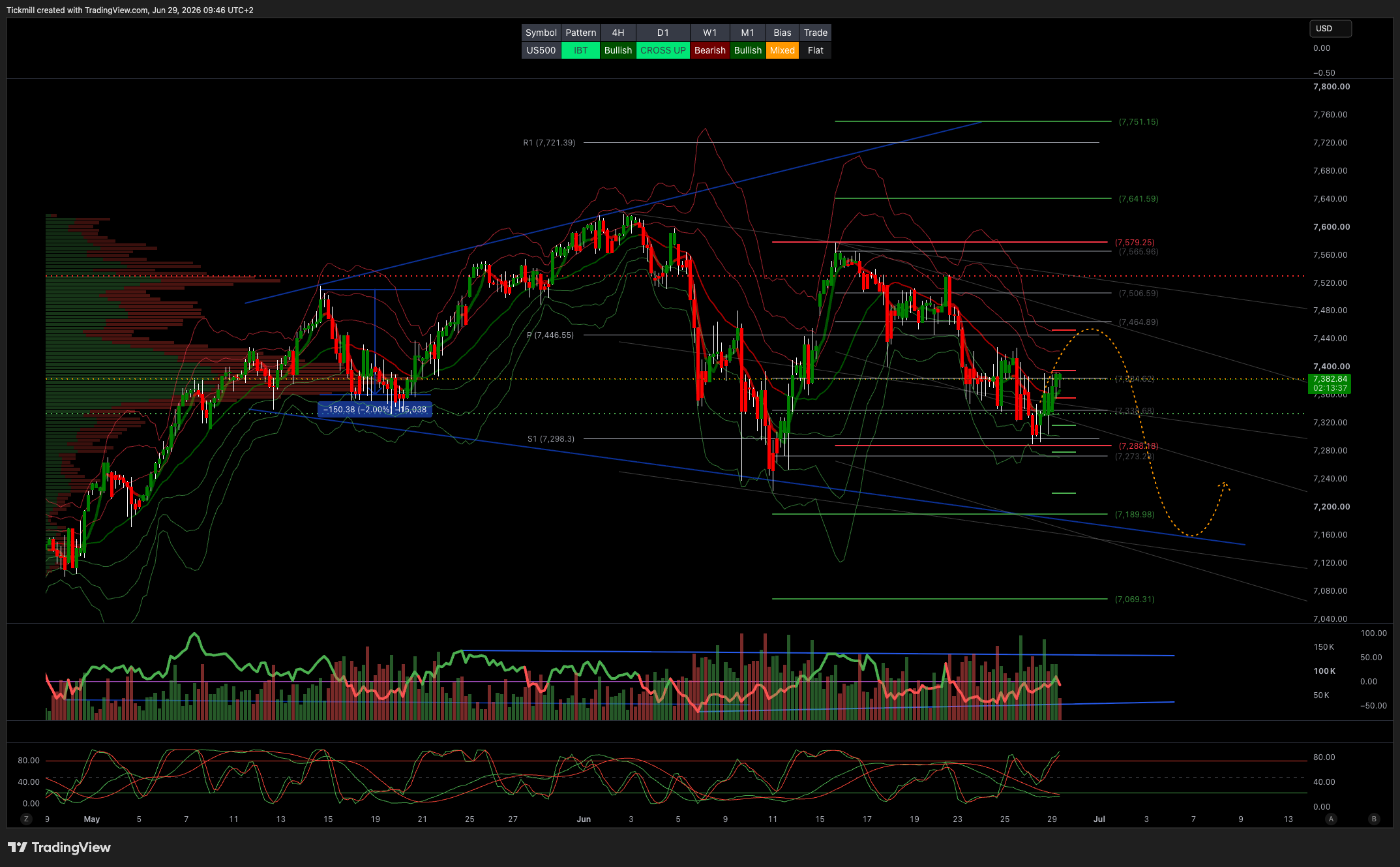
SP500 - 7285 weekly bull/bear level
Daily VWAP Bearish>Bullish
Weekly VWAP Bearish
Above 77410 Target 7465
Below 7400 Target 7285
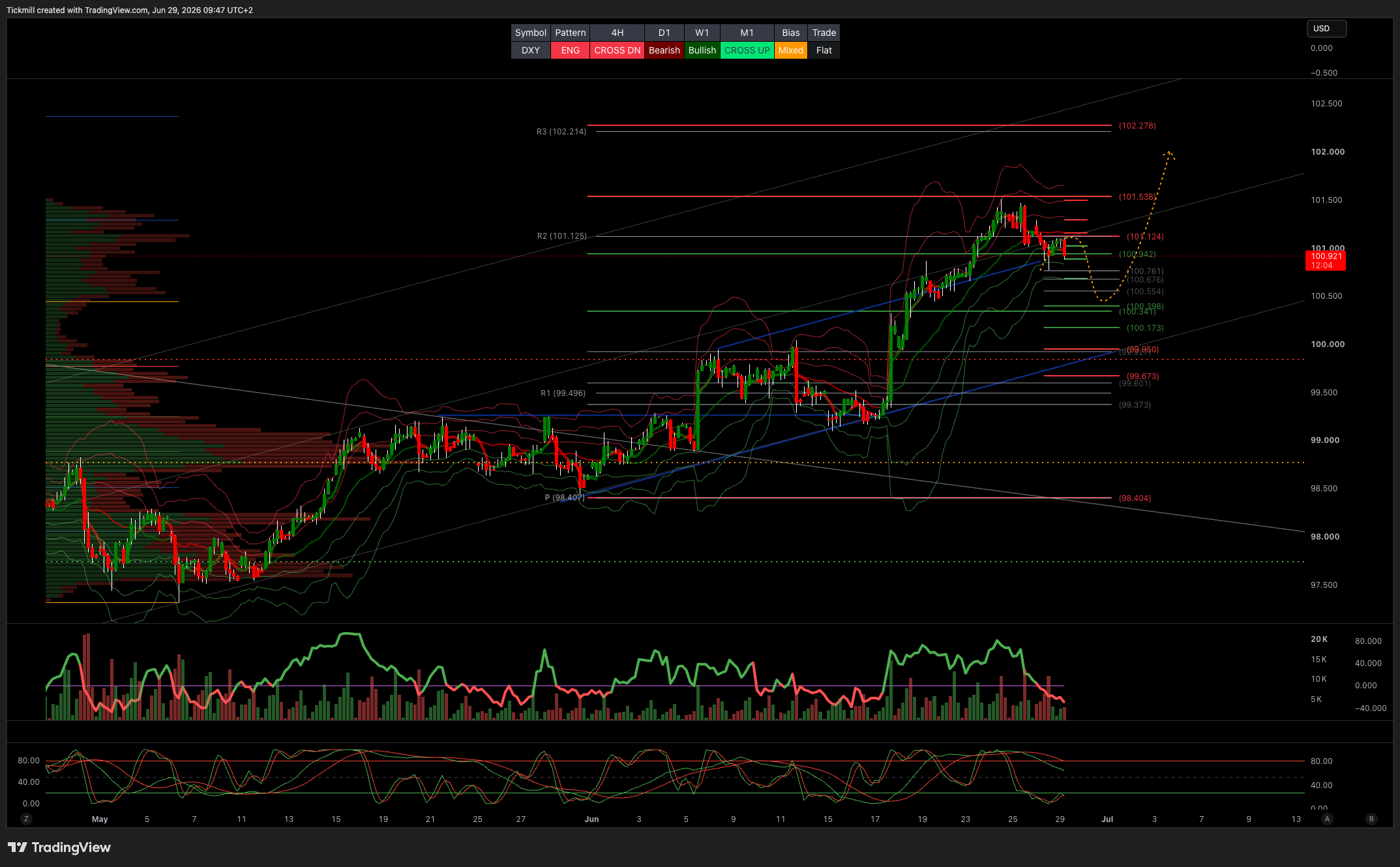
DXY - 100 weekly bull/bear level
Daily VWAP Bearish
Weekly VWAP Bullish
Above 100 Target 102.50
Below 99.40 Target 98.40
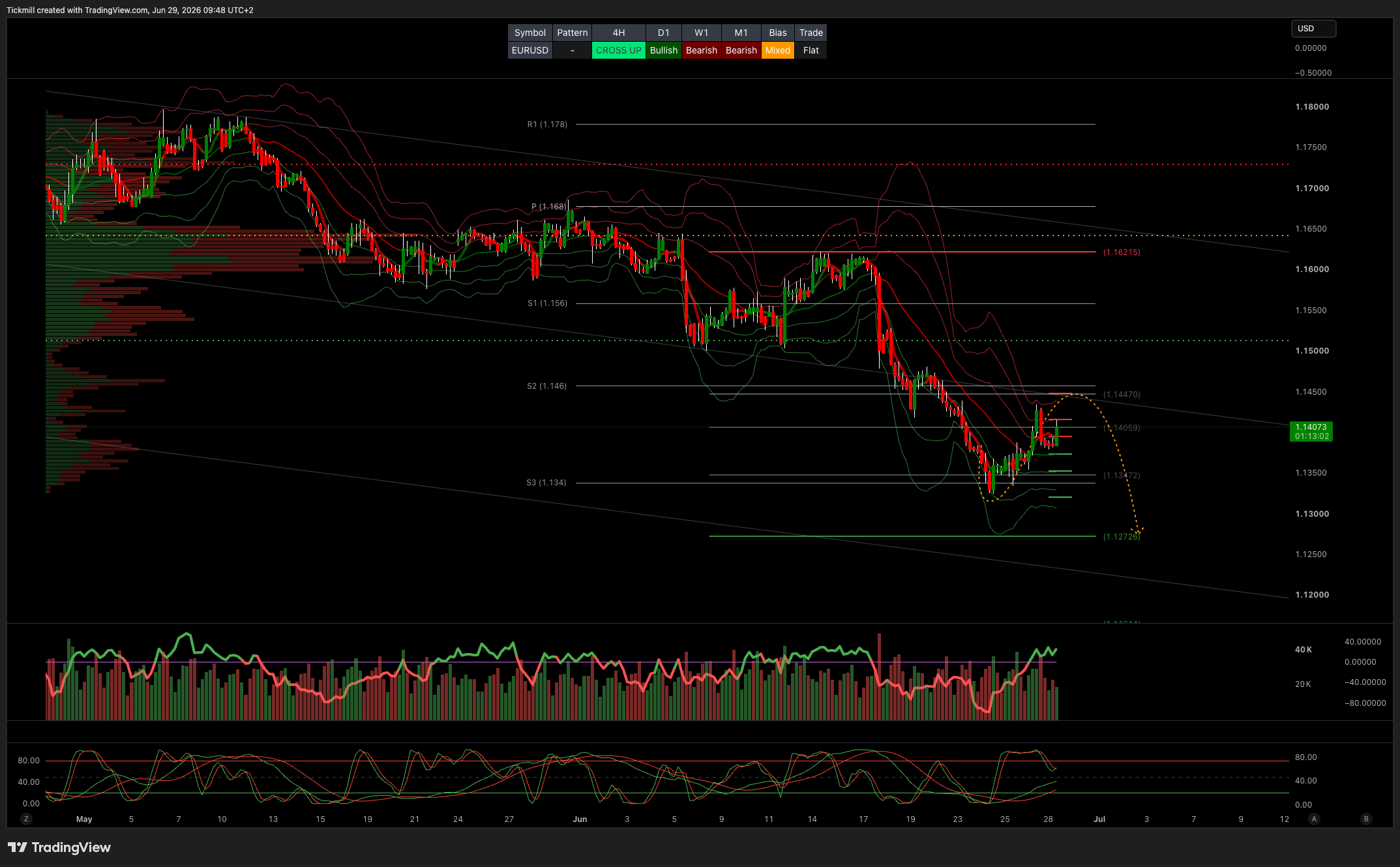
EURUSD - 1.15 weekly bull/bear level
Daily VWAP Bullish
Weekly VWAP Bearish
Above 1.15 Target 1.1780
Below 1.1450 Target 1.1270
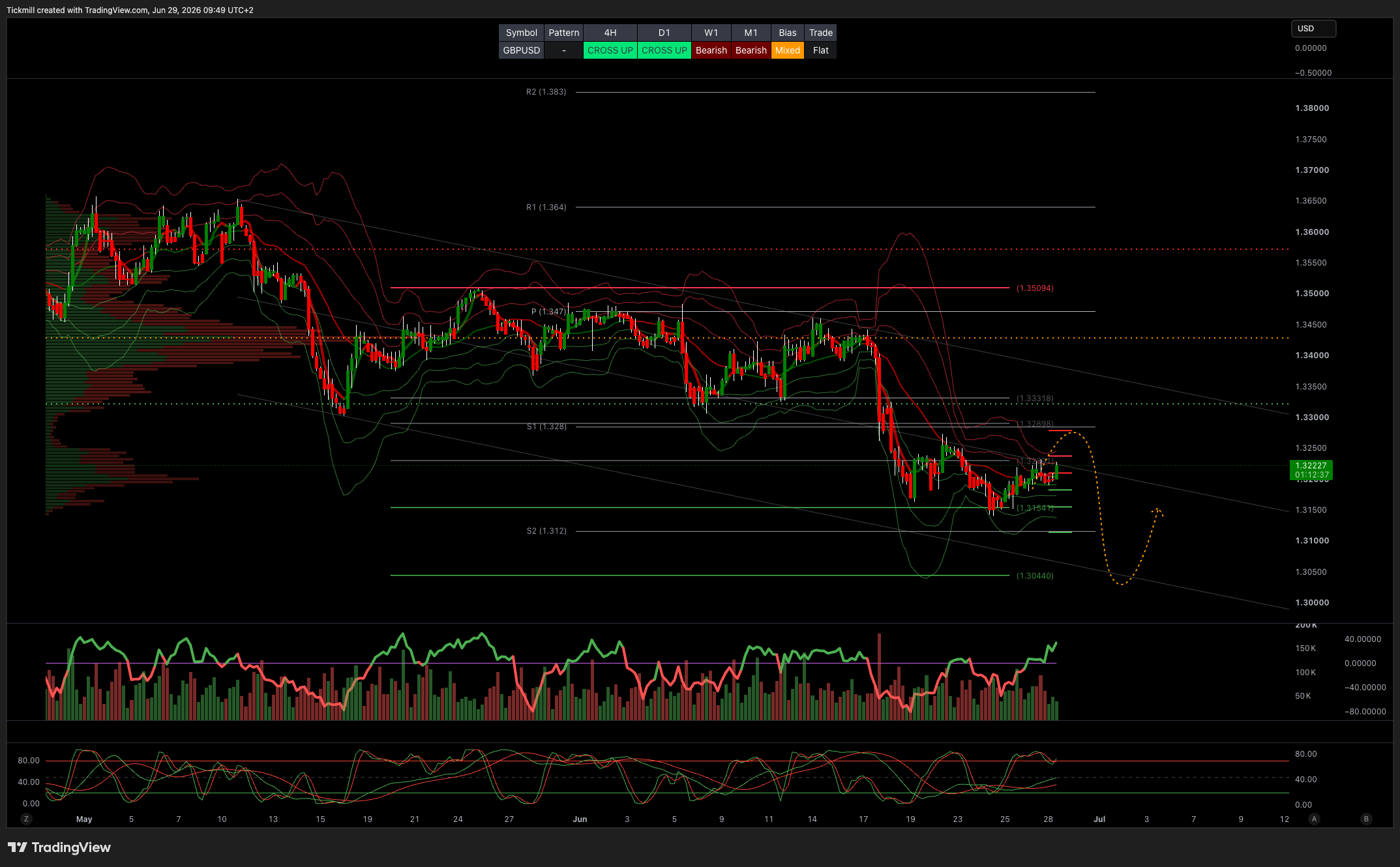
GBPUSD - 1.33 weekly bull/bear level
Daily VWAP Bearish>Bullish
Weekly VWAP Bearish
Above 1.35 Target 1.3580
Below 1.33 Target 1.3050
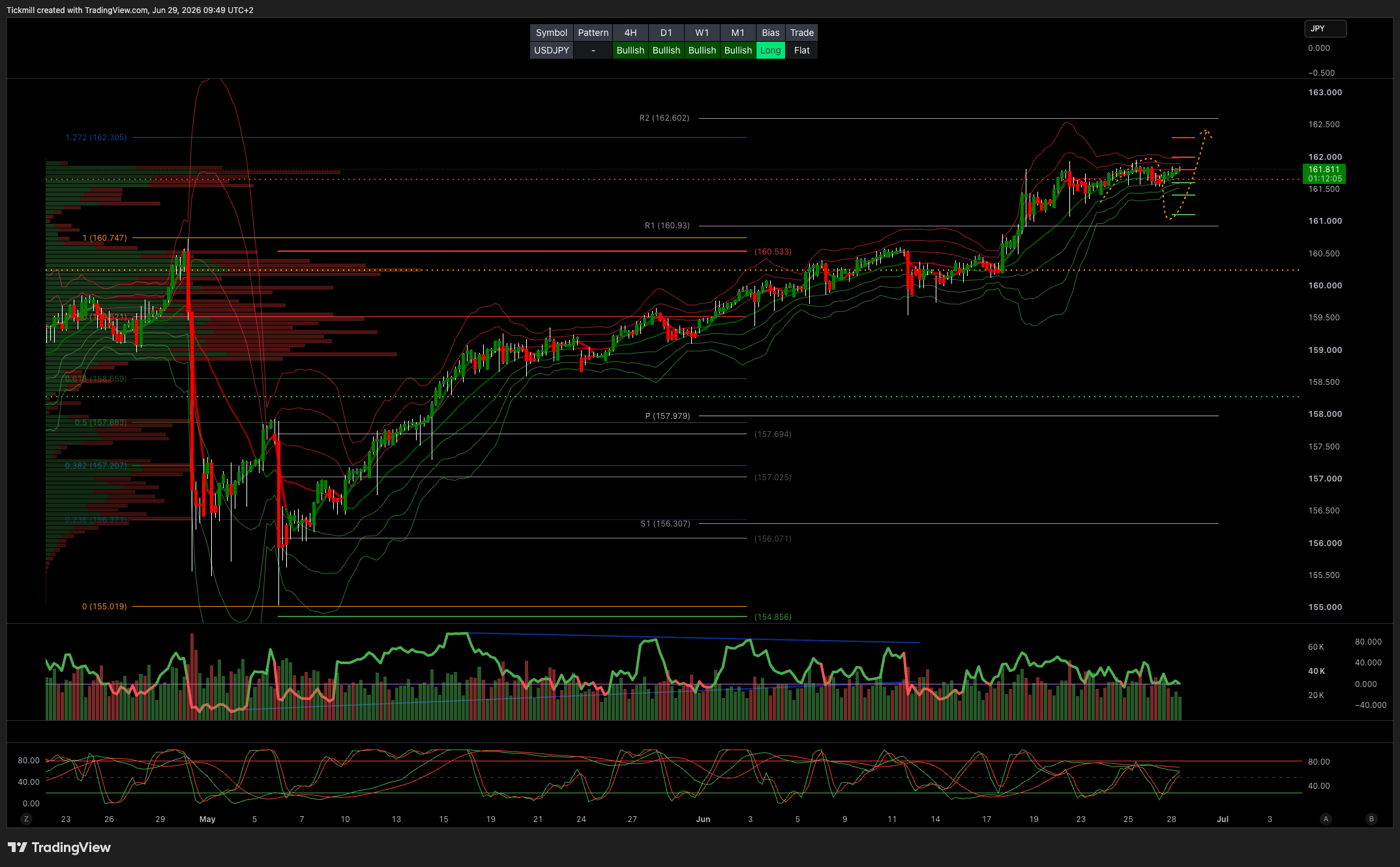
USDJPY - 160.50 weekly bull bear level
Daily VWAP Bullish
Weekly VWAP Bullish
Above 160.50 Target 162.20
Below 159Target 157.95
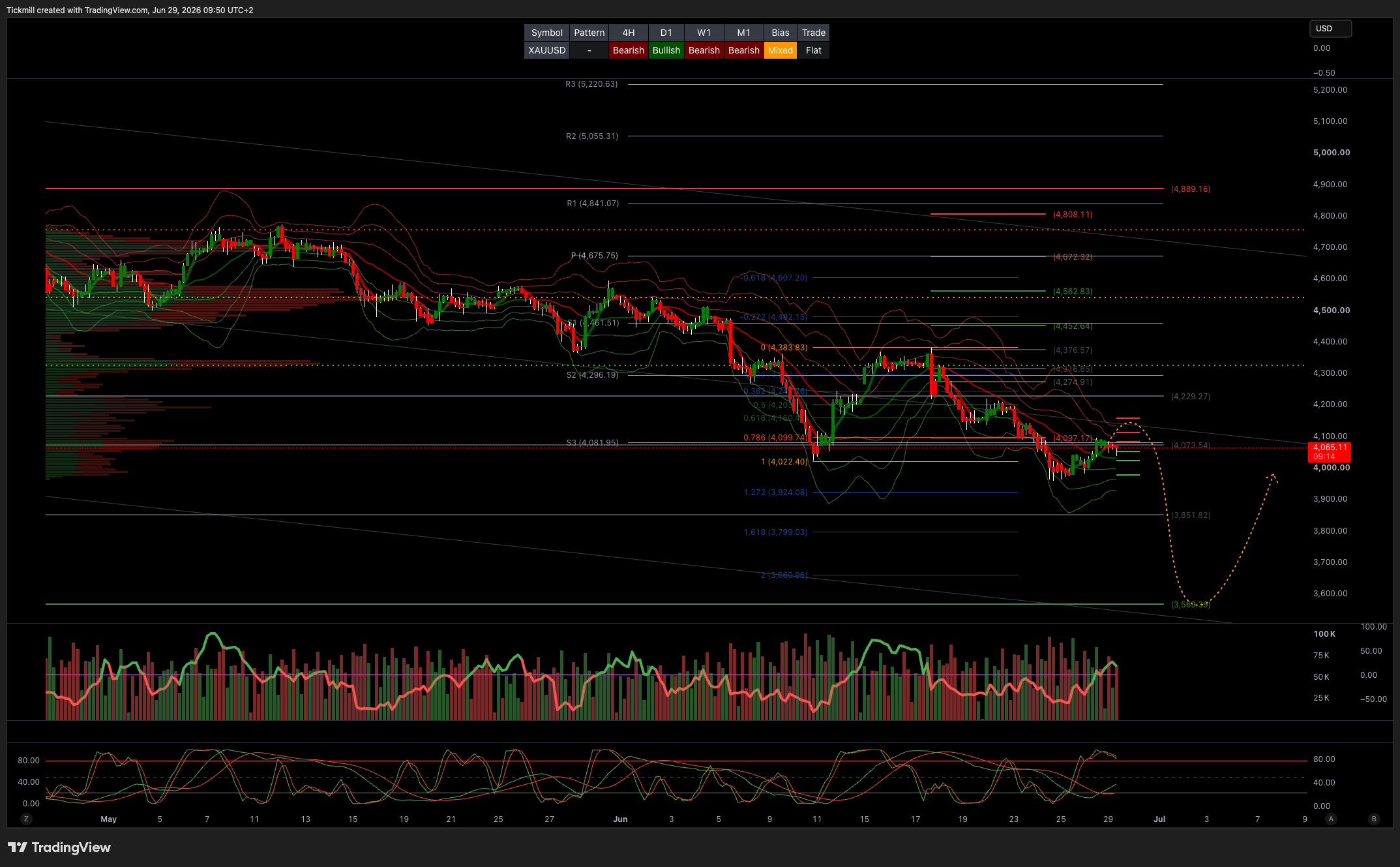
XAUUSD - 4100 weekly bull bear level
Daily VWAP Bullish
Weekly VWAP Bearish
Above 4200 Target 4500
Below 4150 Target 3569
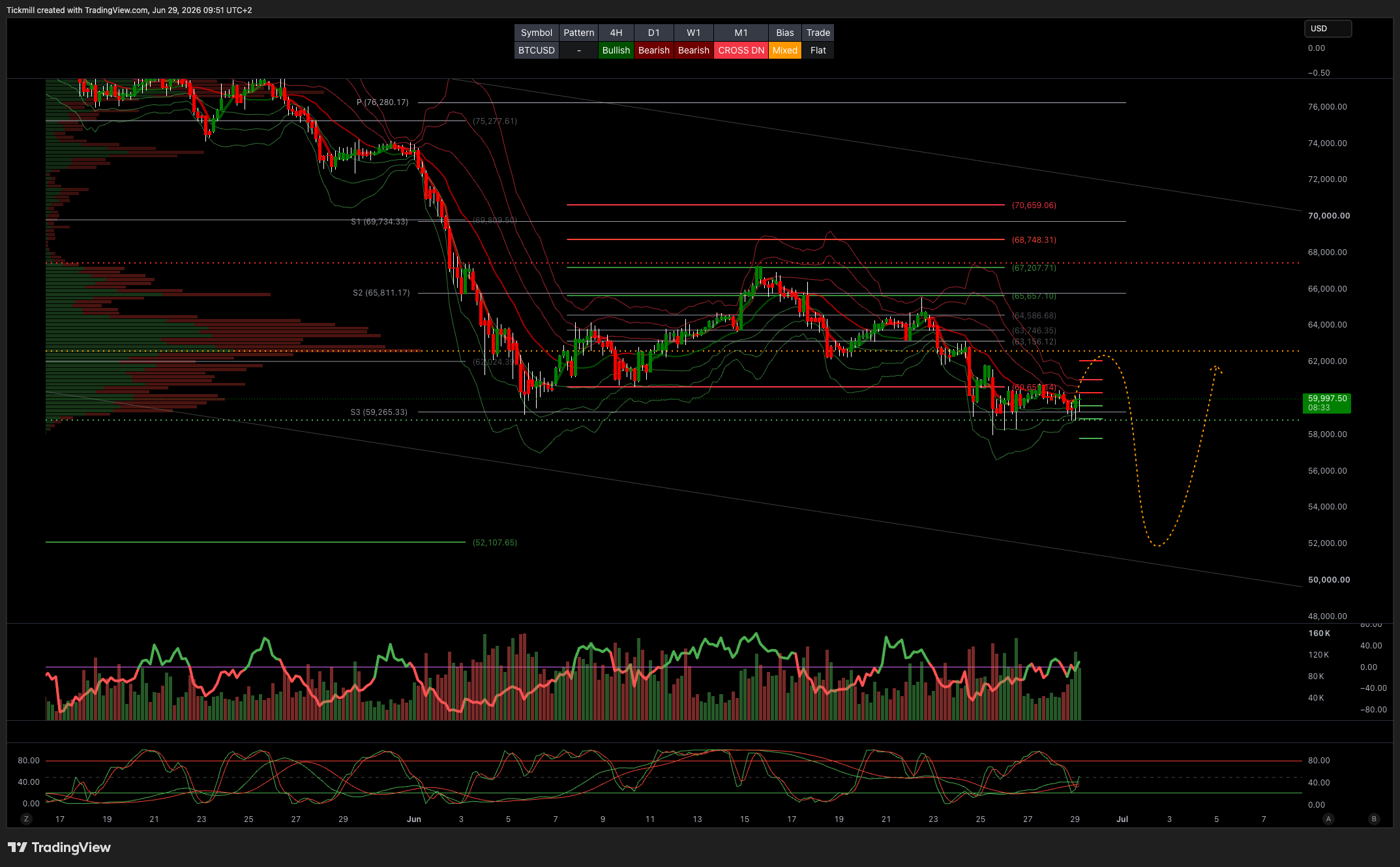
BTCUSD - 60.5 weekly bull bear level
Daily VWAP Bearish
Weekly VWAP Bearish
Above 67.2k Target 70.5k
Below 60.5k Target 52.2k

Comments
Log in or sign up to join the conversation.