

As China fights the dangerous virus spreading across the world, retailers, restaurants, tourists, and mass travel services are all severely affected. As a result, we expect Chinese GDP growth to be reduced by 0.3 percentage points to 5.6% in 2020.

Source: Shutterstock
Crisis management mode on
The outbreak of coronavirus in China has sent the country into a crisis-fighting mode. People in public areas must wear a mask. Mass transportation across some cities, especially Wuhan, a city of 11 million people has stopped to contain the virus from spreading across the country.
Schools are expected to remain closed after the Chinese New Year holiday. People that have visited Wuhan before may need to be under incubation for 14 days. As more people become aware of the virus, we expect more will choose to stay at home, even work from home if they can.
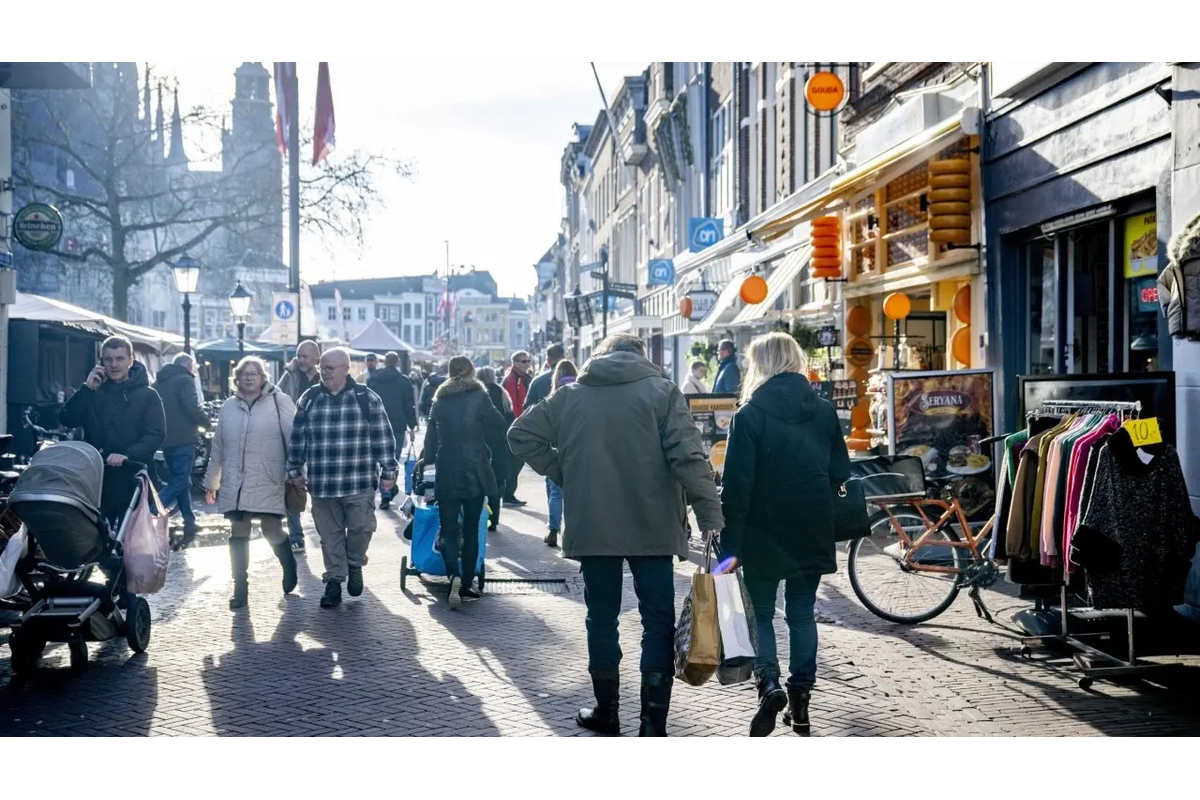
As a result, we think retailers will be the first to suffer, followed by restaurants, especially buffet type and communal places like gyms and swimming pools. People will also avoid taking mass transports, and tourism activities including outbound tourism as planes are considered to be easily infected.
But it's not bad for all businesses
Even though the virus is really bad news, especially at the start of the year, some industries may be able to tap into this opportunity, such as supermarkets. As people stay at home and avoid going to 'wet markets' (which is likely to be the source of the virus), they are more likely to order supermarket goods online.
One thing that is very sought after, are surgical masks, which people are struggling to find even in cities that are not very densely populated. Bleach is another example, which people use to kill viruses at home. These examples show that people in China are now fighting the virus, and the supplies are in shortage.
What happens after the New year holiday?
The Chinese government has already extended the Chinese New Year holiday by three days, until 2 February. But the virus could spread faster once workers return back to work, particularly in Shanghai, Shenzhen, Beijing, and Guangzhou, where supplies of masks are in shortage. Though the mortality rate is now around 4%, it is hard to be sure that the mutation of the virus in the near future doesn't become more fatal.
The virus has also been already detected in the US, France, Canada, Australia, Singapore, Malaysia, Thailand, Japan, Vietnam, South Korea and Nepal.
We expect retail sales to drop from 8%YoY to around 3%~4%YoY. Global tourism, which heavily relies on Chinese tourists, could experience a negative growth of more than 30%.
As the virus spreads, and if there are more casualties reported, we expect the yuan per dollar to weaken to 7.20.
What about Hong Kong?
Hong Kong's government has restricted all individual tourists from mainland China suspending high-speed rail service and cutting flights by half.
The spread of the virus in Hong Kong will also impact schools and workers, and many of them are likely to stay at home, so the situation is likely to be similar to a big city in mainland China. But, the impact of the coronavirus on the retail sector in Hong Kong should be moderate, as retailers and restaurants have already been severely impacted by violent protests already, which are still ongoing.
Hong Kong retail sales are at -23.6%YoY, and in the coming months, we expect them to plummet to -30%YoY, until April when the low base effect kicks in. We might then see some less negative numbers, but those will be technical base effects only. They are unlikely to reflect any improvement. We don't expect the virus to substantially impact GDP growth. It should marginally change from -5.8% to -5.9%.
HKD will be less affected compared to the yuan but is also likely to weaken to 7.80.
In China, interbank market, gold market, bills market, stock markets, futures markets will resume trading on 3rd February as reported on 28th January by the PBoC and SAFE. Operation of the fx market will be announced later.

Comments
Log in or sign up to join the conversation.