

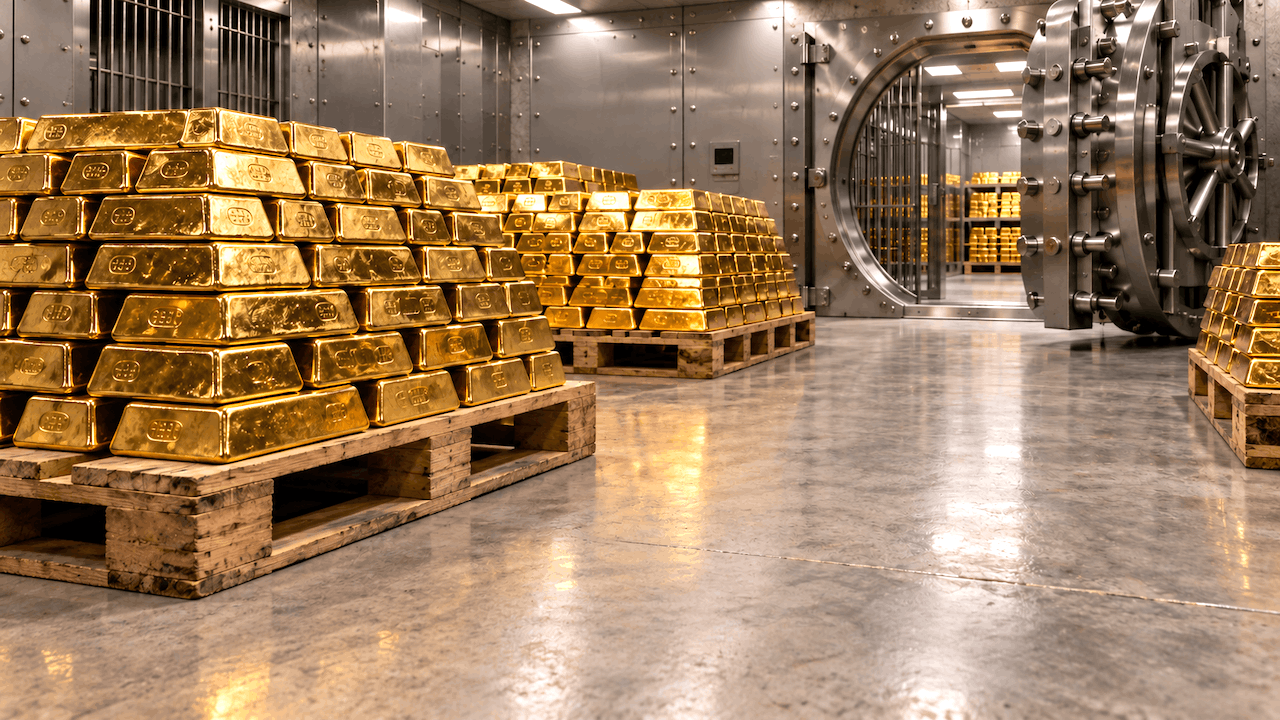
If you want to know why central banks are stacking gold, ask a central banker.
Last month, global gold reserves increased by another 39 tonnes, as central banks continued a buying spree that began several years ago. Bundesbank President Joachim Nagel said the move makes sense given growing levels of government debt.
On the one hand, rising yields have made bonds more attractive in recent months. Yields on the 10-year and 30-year Treasuries are at levels not seen since 2001. This has created significant headwinds for gold and silver in recent months. However, Nagel said the reason behind rising yields should give bond investors pause.
“The recent rise in global government bond yields has boosted the relative attractiveness of debt securities again. At the same time, rising debt levels have increased concerns about the credit risk of these assets. Furthermore, geopolitical risks are likely to continue to shape reserve management decisions.”
Growing concern about U.S. government borrowing and spending and the apparent lack of political will to address the problem, along with growing worries about the weaponization of the dollar as a foreign policy tool, is driving what pundits have dubbed “the debasement trade.”
This investment strategy emphasizes holding tangible assets such as gold, silver, and other commodities to protect against the constant debasement of fiat currencies and their dwindling purchasing power.
This is exactly what central banks are doing. They’re limiting their exposure to U.S. Treasuries and stacking gold. Earlier this year, the European Central Bank confirmed that gold had overtaken Treasuries as the top global reserve asset.
Bloomberg identified Russia’s invasion of Ukraine and subsequent sanctions as a catalyst for the debasement trade.
“More recently, growing worries about the U.S.’s growing debt load have fueled expectations that central banks could diversify away from the dollar and boost their gold holdings further.”
In a speech in Italy, Nagel concluded that with the weaponization of the dollar and U.S. fiscal malfeasance, “The case for further diversification into gold remains significant.”
Other central bankers agree. In the latest World Gold Council survey, they overwhelmingly said they expect global gold reserves will continue growing over the next 12 months. Officials at 45 percent of the central banks surveyed said they plan to expand reserves within the next year.
Central bank gold demand has supported the market even as higher yields have hammered the metal lower. As Gold Newsletter publisher Brien Lundin explained, “Gold is getting hit as bond yields surge. But look at why yields are rising, and the message for gold becomes much more bullish.”
Morgan Stanley commodities strategist Amy Gower said gold’s ability to hold $4,000 per ounce despite rising yields shows this demand factor is at work.
Valent Asset Management portfolio manager Jay Tatum agreed, comparing gold to a “compressed spring.”
“The temporary headwinds for gold are enormous and, in almost any other environment, would probably have pushed prices significantly lower. Prices are not lower because underlying factors are so strong.”

Comments
Log in or sign up to join the conversation.