

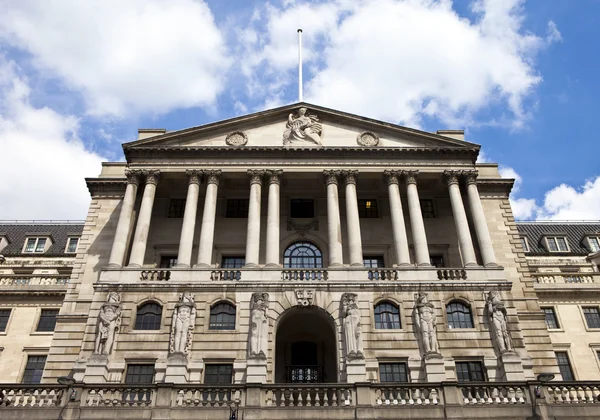
There's nothing in today's decision that changes our mind that the next move is likely to be a rate cut in 2027. It feels like it would take a lot for the five more neutral-to-dovish members of the nine-strong committee to vote for a hike, barring the Iran deal falling apart and energy prices moving materially higher.
The Bank of England has kept rates on hold at 3.75%, and nothing in this decision changes our view that the next move is likely to be a cut.
Admittedly, there’s not a lot to go on this time. The new statement looks deliberately anodyne – and we’ll have to wait until late July for new forecasts or a press conference.
Nor does it look like officials themselves have shifted their views too much, aside from Megan Greene who joined Huw Pill in calling for an immediate hike. The overall committee voted 7-2 to keep rates on hold as we and many others had expected. Catherine Mann, another hawk, made the case for an activist hike – but in the end was persuaded to vote for a hold.
But there are hints, if not much more than that, that the old battle lines on the committee are re-emerging. It feels like it would take a lot for the five more neutral-to-dovish voters to back a hike, barring a significant flare-up in the Middle East. They appear increasingly confident that second round inflation effects are unlikely. And the data backs them up.
For all the fears of second-round effects this time last year, when we had a bout of food inflation, plus higher employer taxes (lifting costs for firms) and a steep increase in the minimum wage, the latest CPI data doesn’t bear them out. Pricing power appears limited – or at least more so than in 2022 during the last energy crisis. And the impact is more clearly visible in the jobs data, where payrolled employment in consumer sectors has consistently fallen (and the rate of decline, if anything, is getting worse). Private sector wage growth has further to fall.
If the Iran deal holds and energy prices stay at current levels, inflation is likely to peak at 3.5% later this year. That’s comfortably below a 4% threshold, which BoE research last year suggested was more likely to trigger a persistent bout of price pressure when breached.
A Bank of England rate hike now looks unlikely barring a severe spike in energy prices in July, which isn’t our base case. We expect a prolonged pause and cuts to resume in 2027.

Comments
Log in or sign up to join the conversation.