

Falling output, USMCA renegotiation risk, a mixed jobs picture, and softer-than-feared inflation suggest the Bank of Canada will continue to push back against the market pricing of rate hikes at its 10 June meeting. We don’t expect any tightening this year. The Canadian dollar should therefore remain a laggard among commodity currencies.
Inflation and jobs data don't justify hawkish shift
At the April Bank of Canada policy meeting, officials struck a dovish tone, saying they were prepared to “look through the war’s immediate impact on inflation.” Assuming a relatively swift conclusion to the conflict, “a policy rate close to current settings looks appropriate”. Six weeks on and unfortunately, the Strait of Hormuz remains effectively closed, and energy prices remain elevated.
Nonetheless, there is little in the data to justify a more hawkish shift from the BoC at their forthcoming meeting on June 10. April inflation undershot expectations with headline CPI rising more modestly than feared to 2.8% from 2.4% – the market consensus had been 3.1% – while core inflation surprisingly slowed. Meanwhile, the labour market has been mixed. After losing 112,300 jobs in the first four months of the year, employment rebounded by 87,800 in May, but the unemployment rate remains elevated at 6.6%.
Recession and USMCA still argue for a dovish stance
The biggest headlines were generated by the fact that Canada is now in a technical recession after the economy contracted 0.1% annualised in the first quarter after a 1% drop in the fourth quarter last year. In fact, Canada has recorded three quarters of negative growth out of the past four, meaning that the BoC’s previous 1.2% full year GDP forecast looks set to be missed.
The early estimate for the monthly April GDP print is better at 0.4% month-on-month, but while higher energy prices are a boon for Canada’s economy given it is a major net producer of oil and gas, the ongoing uncertainty about trade policy continues to hold back sentiment.
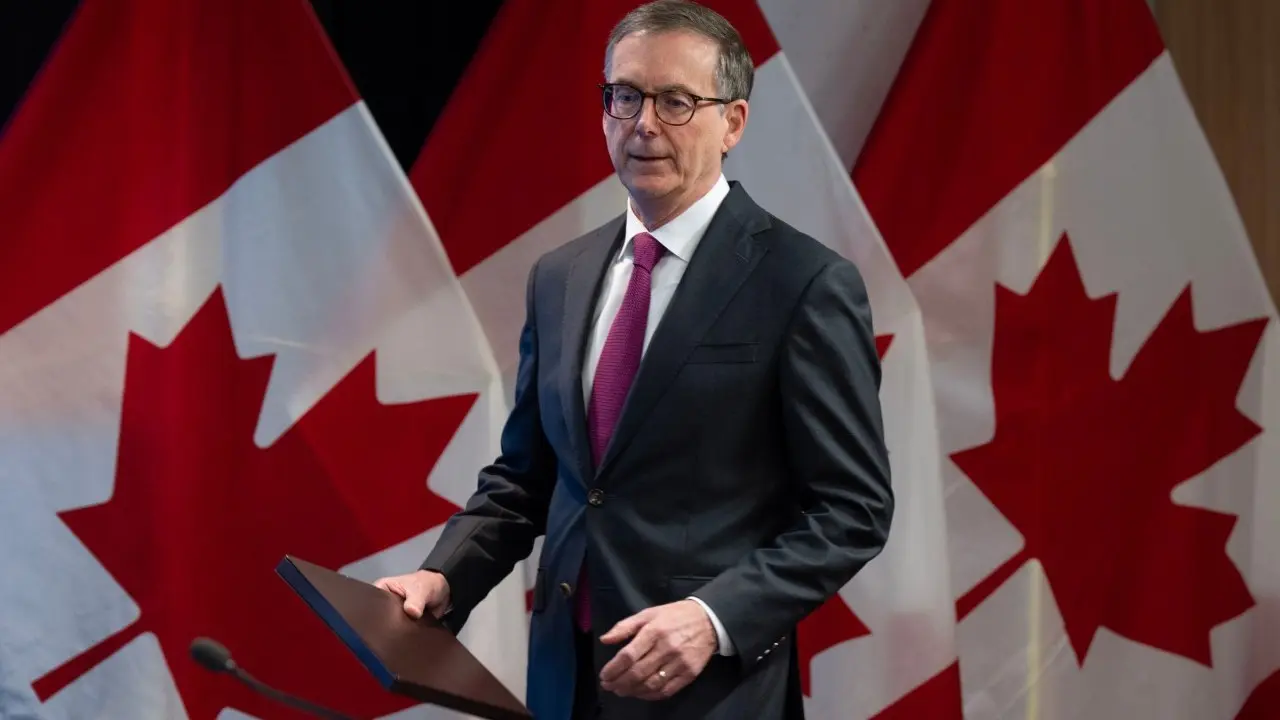
The coming evaluations of the US-Mexico-Canada trade deal and the potential for the US to put more of a squeeze on trade partners prompted BoC Governor Tiff Macklem to warn that a further rate cut cannot be ruled out if rule changes significantly harm Canada.
We don’t expect a BoC hike
Financial markets continue to price a 25bp rate hike before year end. Given the weak activity backdrop, soft jobs market and the lack of corporate pricing power in the economy, we expect interest rates to remain unchanged at 2.25% through until early 2027.
That said, Canada’s monetary policy stance remains accommodative and once the economy stabilises, and we have clarity on the US-Canada trade relationship, we should expect interest rate hikes from 2Q 2027 onwards.
USD/CAD upside risks persists
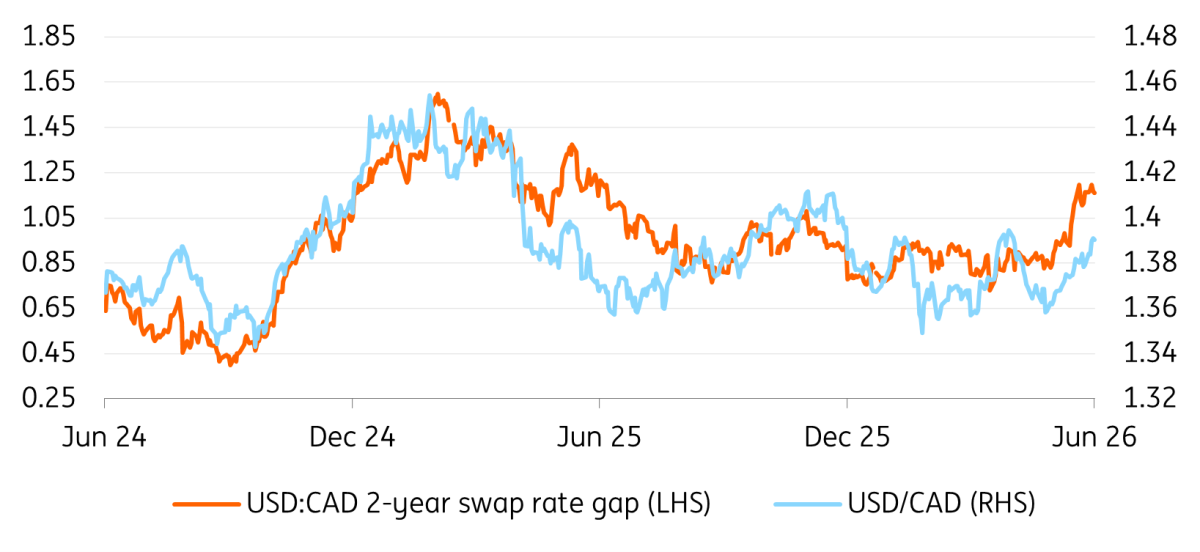
Short-term rate differentials are adding upward pressure to USD/CAD, largely due to the hawkish repricing in Federal Reserve rate expectations. While CAD is an oil-sensitive currency, any further rally in crude is unlikely to benefit the currency. This is primarily because the hit to global risk sentiment would benefit the safe-haven USD. The lack of progress towards a reopening of the Strait of Hormuz means 1.40 could be tested in the very short term.
In a benign scenario where oil flows resume, we think CAD would still lag most G10 currencies. European currencies would get a lift from the improved terms of trade thanks to the drop in energy prices, and markets would likely to reward currencies that offer a strong domestic story. Canada lacks such a story, in our view, given a relatively dovish central bank and ongoing domestic headwinds linked to USMCA uncertainty and labour market volatility.
Short-term rate spread adding upside pressure on USD/CAD



Comments
Log in or sign up to join the conversation.