

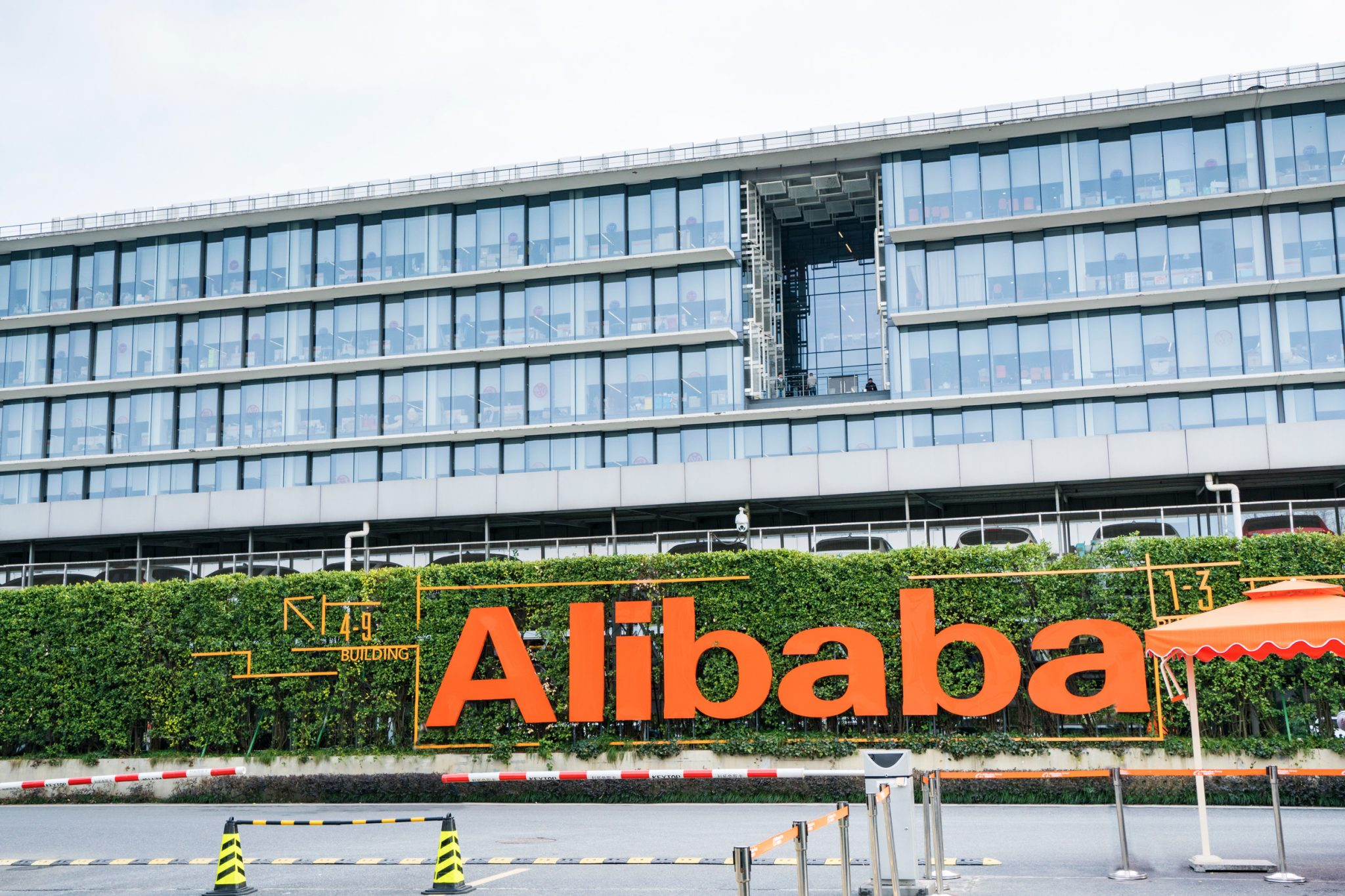
Alibaba (BABA) insider buying follows an HK$80bn share placement, as leaders back the AI push while investors assess dilution and returns.
In AI news today, Alibaba founder Jack Ma reportedly bought more than HK$600M, or about US$76.5M, of Alibaba Group Holding shares over consecutive days following the company’s August 23 announcement of an HK$80Bn Hong Kong share placement.
The South China Morning Post reported the purchases, citing people familiar with the matter. Alibaba chairman Joe Tsai and chief executive Eddie Wu also bought a combined HK$202M of shares over two days, according to Hong Kong stock-exchange filings.
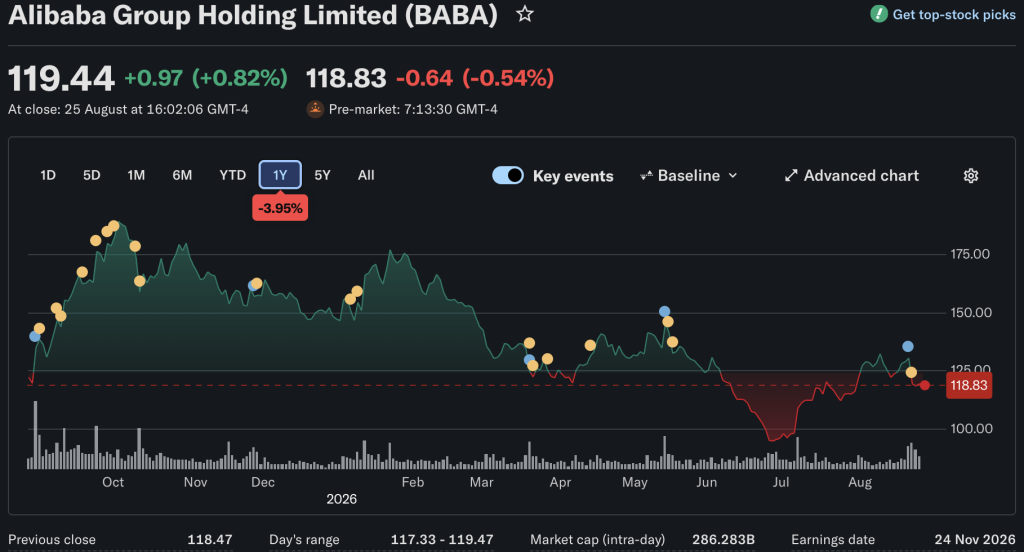
Alibaba shares traded up 1.4% at around HK$115.80 on Wednesday, compared with a gain of about 0.7% for the Hang Seng Index. The gains followed a sharp decline on Monday, when Alibaba shares fell as much as 10% after the company priced its new shares at an 8.4% discount to the previous close.
The HK$80 Bn offering consists of 710 million new shares priced at HK$112.70 each and was expected to close on Wednesday. Alibaba said the net proceeds would be used to expand its full-stack AI capabilities, including chips, computing infrastructure, and AI models. The placement was described in the report as the largest-ever primary follow-on offering by a Hong Kong-listed company.
AI News: Jack Ma’s Alibaba Share Purchase and Insider Buying
Ma’s purchase was reported by the media, while Tsai’s and Wu’s transactions were tied to Hong Kong stock exchange filings. Tsai bought about HK$82M of shares on Tuesday after purchasing about HK$80M on Monday. Wu acquired roughly HK$40M of shares on Monday.
Bloomberg reported that Tsai and Wu bought about HK$120M, or US$15.3M, of shares on Monday following the stock slump. Bloomberg also reported that the two executives together own less than 2% of Alibaba.
The purchases came after Alibaba announced the placement on August 23, as investors assessed both the discounted share issuance and the company’s AI investment plans.
The reported buying by Ma, Tsai, and Wu offers a counterpoint to those concerns, while the placement itself increases the number of shares the company has issued.
Alibaba’s Full-Stack AI Investment Plan
Alibaba said the placement proceeds will support full-stack AI capabilities covering chips, computing infrastructure, and AI models. The new funding comes alongside a broader commitment by Alibaba to spend more than 380 billion yuan, or about US$56.5 billion, over three years on AI infrastructure.
Qwen models have been gaining traction in China. Together, the placement and the wider infrastructure commitment underscore the scale of Alibaba’s AI push, even as investors weigh the cost of that expansion against its potential returns.
Dilution and the Return-on-Investment Question
In other AI news, the 710 million new shares issued through the placement expand Alibaba’s share count. The offering was priced at an 8.4% discount to the previous close, and Alibaba shares fell as much as 10% on Monday after the pricing as investors raised concerns about dilution and returns from the company’s AI investments.
Those concerns follow Alibaba’s sharp increase in capital spending and a 75% year-on-year decline in quarterly net profit, largely reflecting the cost of its AI expansion.
The company’s stated commitment to more than 380 billion yuan in AI infrastructure spending over three years puts the focus on whether its investment in chips, computing infrastructure and AI models can produce adequate returns.
Ma’s reported purchase and the disclosed transactions by Tsai and Wu signal support from senior leadership following the capital raise. For investors, however, the key questions remain the effect of the new share issuance, the cost of Alibaba’s AI expansion, and the returns generated by the company’s AI strategy.



Comments
Log in or sign up to join the conversation.