


With a rate hike looking like a done deal, all focus will be on whether the ECB gives any guidance on what will happen beyond next week’s meeting.
Anything but a rate hike at the 11 June ECB meeting would be a big surprise. The ECB is not facing a textbook case of de-anchoring inflation expectations (yet) but rather the expected scenario of increasing actual headline inflation, with higher energy prices showing knock-on effects on other parts of the economy. At the same time, however, actual headline inflation developments are still broadly in line with the ECB’s March projections, while core inflation has turned out somewhat higher.
Looking ahead, for inflation in the eurozone, the only way is currently up. Not a sharp up but a rather moderate and gradual lift. While the knock-on effects of higher energy prices on other prices, like transportation and food, will be hard to avoid, the latest survey-based inflation expectations have come down a bit. Selling price expectations in both industry and services, but also the ECB’s own longer-term consumer inflation expectations, all dropped slightly in May. Definitely not enough to give an all-clear but surely sufficient to support our view of only a gradual and limited increase in inflation over the coming months.
Reasons for this view are still the absence of substantial fiscal support against higher energy prices (compared with 2022) and much lower saving ratios than in 2022. In short, the pass-through of higher energy and input prices to final consumption will be limited due to a lack of ability and willingness of consumers to actually pay for these higher prices.
Even as some critics argue the ECB risks repeating its 2022 mistake of reacting too late to an obvious inflation shock, the comparison with that period is flawed – not least in terms of fiscal stimulus and savings. Back in 2022, eurozone inflation was already above 4% YoY when the energy price shock hit. The ECB’s infamous late reaction came with the first rate hike in July 2022, when headline inflation was actually above 8% YoY. Also, back then, less than 25% of the main inflation components had an inflation rate of less than 1% YoY. In April this year, it was 50%. And last but not least, the first rate hike in 2022 came from a policy rate of -0.5%. Currently, the policy rate is at 2%.
All of this does not mean that the ECB will not hike rates next week. But it is to say that the current macro environment is very different from 2022 and does not call for any aggressive rate hikes. At least not at the current juncture. Against this background, next week’s ECB rate hike should be seen as a kind of insurance rate hike. An insurance rate hike as the risk of doing nothing and potentially falling behind the curve is larger than the risk of any adverse effects on growth from higher interest rates.
As long as the bond market is taking over the ECB's work to tighten the monetary policy stance, governments don't fuel an inflationary spiral with fiscal stimulus, and sentiment indicators remain weak, it’s hard to imagine that the ECB would really want to fight an exogenous supply shock at the cost of worsening an economic downturn.
What to watch at next week’s ECB press conference
As a hike to the deposit rate of 25bp (from 2%) looks like a done deal, all focus will be on whether the ECB gives any guidance on what will happen beyond next week’s meeting. In this regard, there are three important things to watch at the press conference.
Fresh round of forecasts
Even though the war in the Middle East has lasted much longer than anyone had anticipated, market variables have not moved in line with the longer duration of the war. Or in other words: oil prices, exchange rates and bond yields are currently trading close to their March levels. Consequently, we don’t expect any significant changes to the ECB’s new macro projections but see them close to their March levels. If anything, the inflation forecast for this year could be revised somewhat higher; growth could be revised marginally lower. The picture for 2027 and beyond is unlikely to change.
Communication
When the ECB started hiking rates in 2022, it even pre-announced the hike at the meeting before. Back then, it was obvious that the ECB would have to engage in a series of rate hikes. This time is different. We don’t expect the ECB to pre-commit to any next steps on 11 June but to rather stress the meeting-by-meeting approach.
This would not only reflect a cautious but reasonable approach, but also the simple fact that views within the ECB will greatly differ. An insurance rate hike has become a no-brainer, but going beyond that could have more severe adverse effects on growth and will not be that straightforward for all ECB members. This is why we expect the ECB to strike a delicate balance between not calling the hike a ‘one-and-done’ hike while also stopping short of pre-announcing further hikes. Let’s call this a gently hawkish tone.
Boris Vujčić was appointed Vice-President of the European Central Bank earlier this year.
A new man by Christine’s side
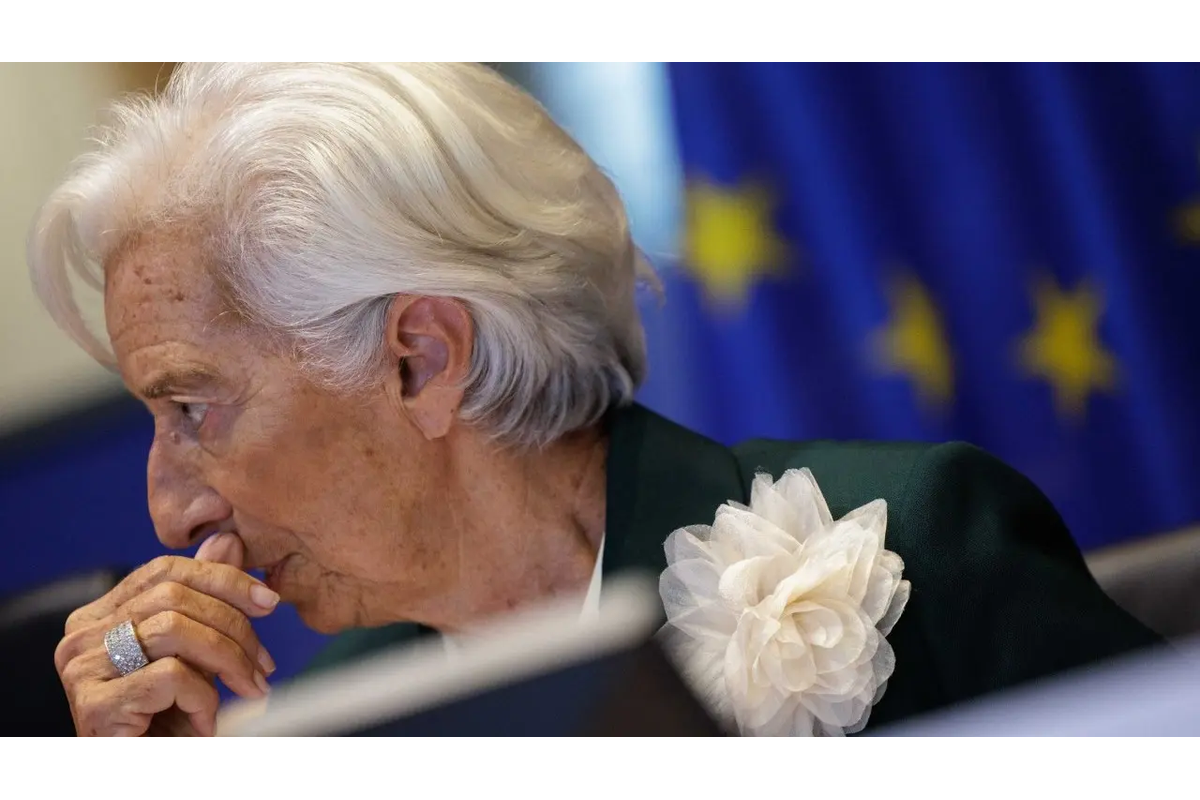
And for the real ECB followers, don’t be surprised if you spot a new man by Christine Lagarde’s side at the press conference. Instead of Luis de Guindos, there will be Boris Vujčić, former Croatian central bank governor and now new ECB vice-president, sitting next to Christine Lagarde. With Vujčić, the ECB will again have a president or vice-president with a PhD in economics for the first time since Mario Draghi left office. However, if Vujčić follows the tradition of all his predecessors, we will not witness a lot of his economic wisdom at press conferences, as the speaking time of vice-presidents at ECB press conferences tends to be shorter than your average radio song.
All in all, next week’s ECB meeting promises a lot of action: a rate hike and a lot of speculation about next steps.

Comments
Log in or sign up to join the conversation.