

A period of renewed decay has simply been postponed by the Oil rally; pure and simple. The asymmetric risk-reward in the high yield sector is alarming too; as it's definitely difficult to advocate shorting at this very moment; while viewing the upside move in the S&P as running into resistance, but that's tempered by a pending Oil meeting (March 20 they say) in Moscow.

That may be more than nominally important, and can indeed forestall any sort of market pressure, or at least established a high-level range, keeping market bears at bay, until more shorts are flushed-out; though much of that is behind. In a sense this is a tricky spot; because you have Bloomberg late Friday with a warning about 'counterparty' risk resulting from a new Fed rule; and you've got a crucial weekend (now) in China, followed by another ECB gathering; and then the FOMC. Any of those can roil the markets even without a macro decision on forward direction.
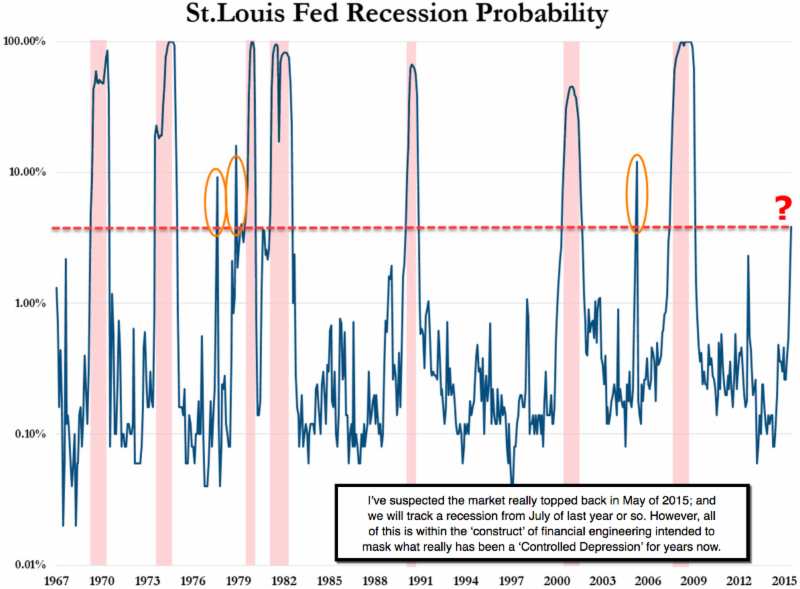
That makes the week ahead perhaps better for traders, with no clear indication for investors, as far as the next direction. This also is the normal seasonal time that has thwarted market declines, even when dire prospects are telegraphed, as was the case this time of year in 2008. Not to say we'll have a Lehman-like event; but to observe that the market can horse around before going lower.

So yes, we're not very bullish here; just saying the short-term exhaustion, or a topping-process, can take awhile longer. We'd be delighted if it was an up-down Friday reversal, and we did finish well off the highs with many momentum stock favorites being very flat (again it was Oils and Apple lifting the Index); just tend to suspect there's more jockeying ahead before market implosion risk returns.
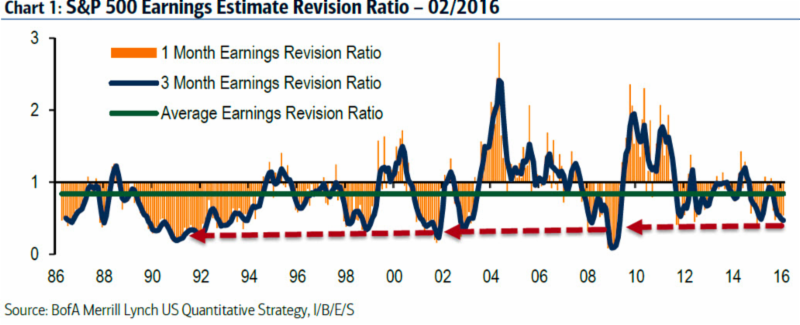
Bottom-line: emerging markets are rebounding; not necessarily starting a sort of protracted move. That may be true for Europe and the U.S. too; ever since it was beholden on central bankers and others to jawbone view of stability when it seemed everything was at-risk of cratering. Too many got scared and shorted or sold 'after the fact' about a month ago; and that set-them up both to be run-in and in fund cases, to have to re-position. The concurrent rally in Gold suggests it isn't so simple, and the macro concerns aren't very well resolved.

Meanwhile the U.S. political picture remains one of jumbled chaos; with both of the Parties challenged by different concerns we all know well. What they have in common is the need to address citizen concerns that have received talk but not action, for years. Mr. Trump, if nothing else, as well as Senator Sanders, at least have compelled a realization that the overall body-politic isn't interested in more promises to restructure as well as induce job creation, than we've seen. And not the type of jobs that were reported today (mostly service-sector, while in Manufacturing there was actually a decline in new jobs).
In sum: the market thrust may be in early exhaustion phases; but clarification is impossible with China, the ECB and the US Fed meetings are coming right up. From a technical perspective we're just bouncing around overbought daily; not so much yet on a weekly-basis; though if this is a glorified bear market rally, it's not essential that it become particularly overbought in a longer-term measure.

If there's one true plus (and it's a factor we seriously wanted); it was Oil prices to rise, and they are. This can forestall a number of potential risks, at least for now if not on a more-macro basis. I suspect it's a potential solution beyond 'freezing' record production levels, because Russia is literally forcing them to discuss, at the point of gun (or the implications thereof), and that's not being addressed by markets or Washington, in terms of what's behind the move other than member nations of OPEC hinting at the discussions possibly finding price relief. Nobody needs it more than Russia, and they've worked themselves into a position able to compel cooperation. Note where their military is; and note the meeting will be held in Russia; not Vienna, Munich or normal venues.
Main point: numerous balancing acts are underway, and unresolved. Policy normalization is the central bankers goal globally; and while that's unlikely to be attained in a sustainable way, it can and usually does persist, 'for a time'.
Comments
Log in or sign up to join the conversation.