


Your business credit score can have a profound impact on the success or failure of your business. It's so powerful that it can determine whether you're qualified for a loan. Creditors, suppliers, and other lenders use this rating to determine your company's ability to settle your financial obligations on time. So, if you're like most entrepreneurs, you may be concerned with how your credit score is doing.
If you want to improve your business credit score, here are six straightforward tips you can implement today to get started:
- Build A Sterling Credit History
Once you start a business, you should already think about building an excellent credit history so you can easily secure loans or access a line of credit from suppliers when you need them in the future. One way of building a track record is by securing loans from Tier 1 creditors, such as Credit Strong and other companies, even if you may not need the money at the moment.
- Be Mindful Of Your Use Of Credit
The credit card is one of the lifelines that many small companies use to get by when things are tough. Your credit card use is one of the factors that credit rating companies consider when computing your score. Thus, use your card carefully to protect you from higher debt. You must also ensure that you don't max your credit.
Keeping your credit card debt at 15% to 20% of your credit limit is ideal. Besides, maintaining your credit use at a minimum could also keep your debt-to-income ratio low. This factor could affect your ability to secure a mortgage or other types of loans in the future.
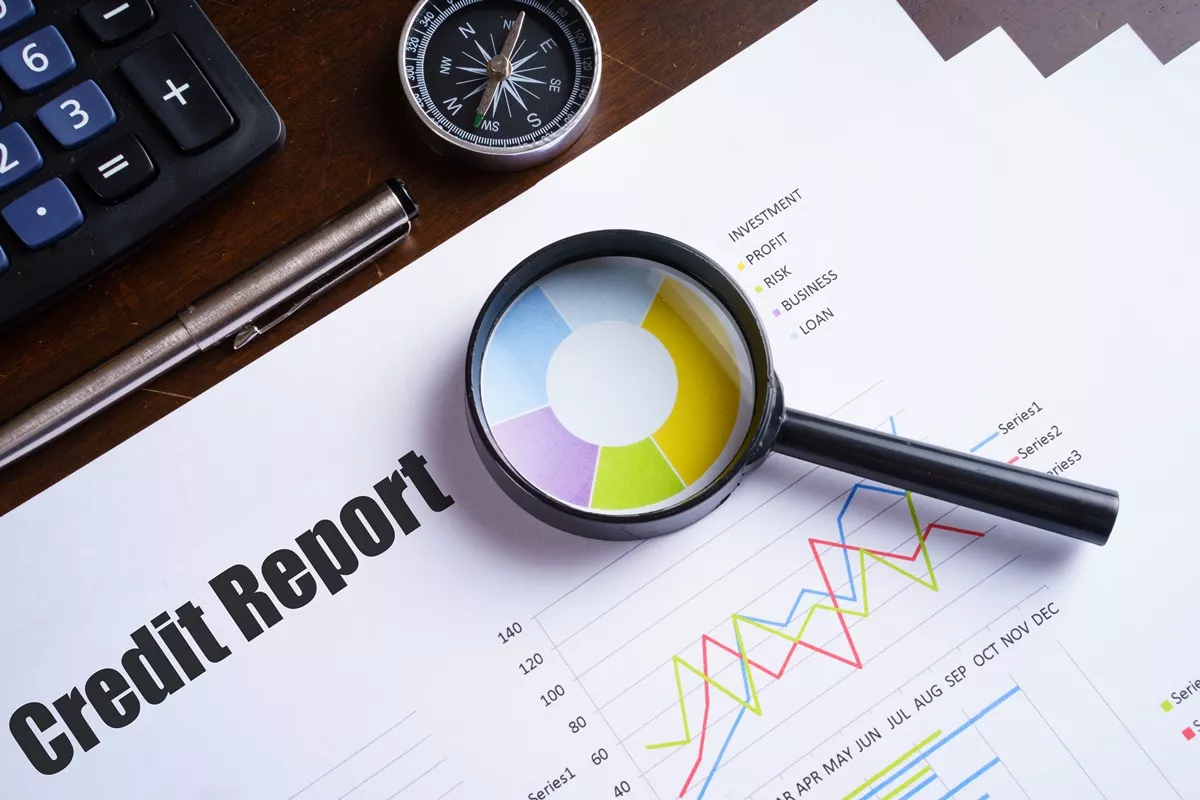
- Monitor Your Credit Report
From time to time, it's good to check your credit score from leading credit reporting institutions. Knowing your rating will give you an idea if you're on the right track and if your efforts at improving your business credit score are helping at all. If you find discrepancies and errors, you should correct them as soon as possible. Not monitoring your report and ironing problems out are crucial mistakes that can affect your business credit score.
Additionally, if you took a Tier 1 loan to help establish your credit history, you must monitor whether the lender consistently reports your payments. If they don't, taking out this type of loan may not be helping your cause. Thus, it's a good step to carefully evaluate the Tier 1 loan provider before securing a loan. For example, if you're considering Credit Strong, reading Digital Honey's Credit Strong review and other reports may help you learn more about their products and services.
- Pay Off Your Bills On Time And Consistently
Your business's history of bill payments is another vital factor affecting your company's score. Hence, you must ensure that you don't miss a payment, even with your utilities and suppliers. You should be careful with your cash flow management and have a calendar or app that will remind you of your due dates. Chronically missing out on your payments may be seen by banks and other lenders as a sign that you're a high-debt risk borrower.
- Open Line Of Credit Accounts With Suppliers
Securing a line of credit with suppliers may be hard for startups unless you know the vendor personally. If you've been in business for months and have already established a good history of paying on time with some of your suppliers, you may request to open a line of credit account with them. This action can increase positive points to your credit score file and is a surefire way to improve your company's score. However, if you do, ensure that you'll be consistent with your payments. Otherwise, missing payments will surely affect your score negatively.
- Have Your Negative Accounts Deleted
Understandably, businesses often face problems with finances. But when small companies are in a pinch, they tend to miss their obligations here and there. Unfortunately, there are times credit rating companies report unpaid debts and become a part of your company's credit score file.
Simply settling your debts is not enough to improve your rating. You need to ensure that this part of your file gets deleted to not drag down your score. You may request collectors or lenders to remove negative accounts from your file. However, many agencies or collectors will not do this immediately despite your request. It's advisable to be proactive when requesting to remove your negative accounts. You may need to pay some fees but consider it an investment that will positively affect your creditworthiness in the long run.
Bottom Line
A business credit score indicates the strength of a business's financial position. As an entrepreneur, you can use different ways to build your creditworthiness. Ultimately, this will help boost your company's credit ratings. However, it's not an instant process as it takes financial responsibility and a great deal of time to build a good credit score.



Comments
Log in or sign up to join the conversation.