

How the mighty have fallen.
Just a few weeks after being declared the largest car manufacturer in the world, Volkswagen (VLKAY) was hit with a scandal of epic proportions that threatens to chew away its market share and bank balance in record time.
Being caught up in an emissions crisis has plunged the stock (ETR:VOW3) in Germany by over 45% so far this year. Millions of cars in several countries are being recalled and suppliers around the world are wary of the impending costs the company is likely to suffer battling this issue.
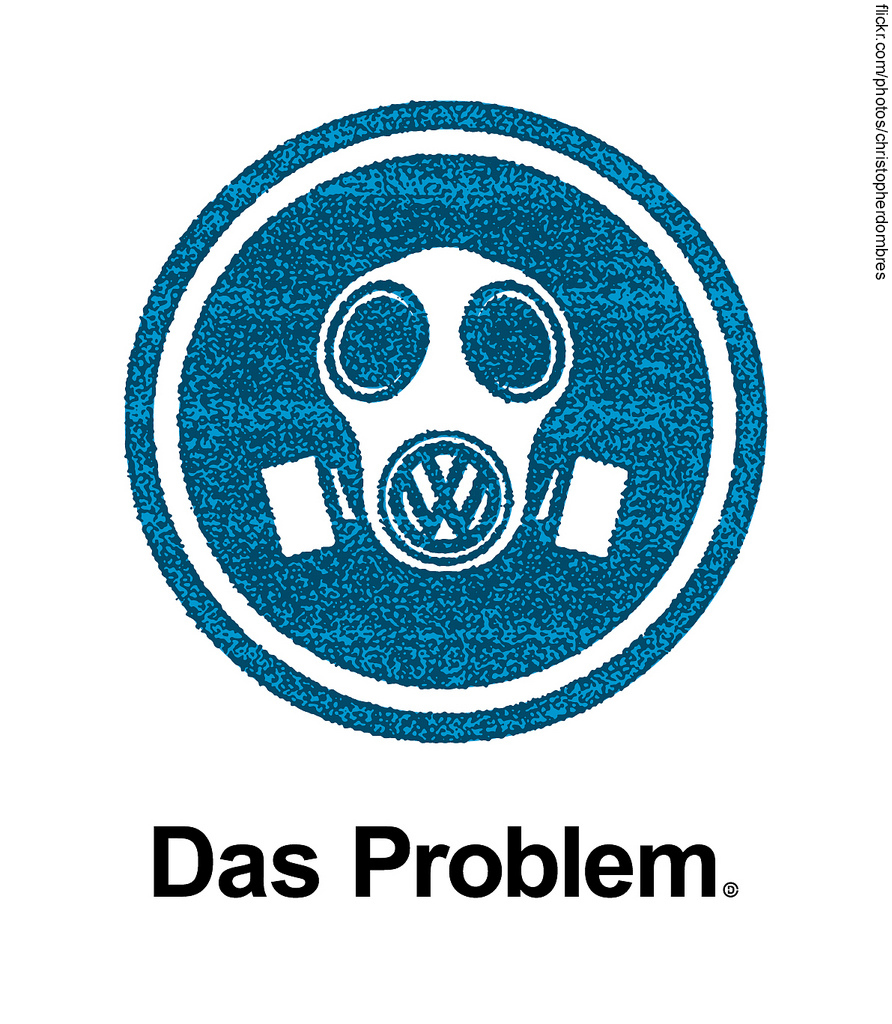
Increased costs mean fewer investments, and that could be very bad news for the suppliers that rely on the company. As the concerns over whether the German automaker will survive continue to mount, there are growing tensions for investors in suppliers such as Perceptron, BorgWarner and Tower International. All three have seen their share prices drop and there is even more uncertainty now that VW has confirmed that investments will be cut back.
The effects on US car parts suppliers is easy to see, but some are denying that there will be much fallout from this crisis. Diesel component maker Tenneco, for example, said that there will be heightened scrutiny of vehicles coming into the country, but that the company won’t be affected much.
In fact, the company’s CEO, Gregg Sherrill, said that the increase in scrutiny will boost demand for even more components that will be needed to meet the new requirement. The company maintains that the product plan for the next several years won’t be changed much at all. These comments by the CEO helped the stock rise 12% to $54.20 last month.
BorgWarner also saw its stock rise by 2.7% as the company manufactures similar emissions components. Both companies rely 8% and 17% respectively on Volkswagen for revenues.
Another supplier, Dana Corp, saw its net income rise from $90 million to $119 million. Revenues did decline by $136 million, but only because of currency issues and failing operations in Venezuela. Dana expects the rise in truck demand in Europe and North America to offset any negative impact from the VW fallout.
The supplier that could be most affected by shifting standards and higher scrutiny is Lear Corp. The seat supplier also makes electrical components, and CEO Matt Simoncini believes that any shifts from the customer side will bring more orders in the near future. Short term volatility should be ignored in the sector.
Electrical components supplied by Lear are likely to see a jump in demand as more people shift to using electricals and away from gasoline or diesel. The general population has already been moving away from traditional fuels as oil prices rose last year and the impacts of climate change are becoming more apparent.
The German carmaker has shaken up the industry and has made the US regulators sit up and take notice. The manufacturer has lost credibility in many ways and this has impacted the automobile industry as a whole. 11 million cars that were fitted with the cheating devices have now been recalled and billions of euros have been wiped off the company’s market value.
The United States Environmental Protection Agency has ordered the company to recall over 482,000 diesel cars in the country. Although the crisis seems contained in the United States, the car manufacturer claims only 2% of the overall market share here - the majority of its revenue comes from Europe and China. Only about 6% of the cars the company made last year were exported to the US.
American customers have seen the value of their diesel cars drop in the resales market and are worried they may have picked a car that emits 10 to 40 times the legal limit for pollutants. Many are likely to sue the company and money has already been put aside to deal with this eventuality.
The company CEO Martin Winterkorn resigned after the news surfaced and the new management team is trying to deal with the aftermath. Owners of the cars that are likely to be recalled have already been offered compensation.
Other European car manufacturers like Renault, Citroen and Mercedes saw their stock collapse as well, but all of them have denied having any similar device installed in their cars. Beyond a doubt, the scandal has affected the brand of German engineering and design more than anything else and it remains to be seen how VW can pick itself up after this mess.
Comments
Log in or sign up to join the conversation.