


Image Source: Pixabay
Another interesting week!
The US Fed lowered its policy rate target 25 basis points (now 3.50 to 3.75%), and announced it would buy $40 billion of TBills monthly as part of a reserve and liquidity management tool. Intoxicated stock markets have continued to party, further easing financial conditions for publicly traded companies.
The trouble is that most of the private sector is struggling, and so far, Fed efforts have not translated into ease for households and businesses that borrow through the banking system.
The Fed has cut overnight rates by 1.75 percentage points over 15 months amid above-target inflation and deteriorating labour market conditions. Fed Chair Powell indicated that they may not have to lower the policy rate further, but employment conditions will be the test. The threat of further inflationary pressures from future fiscal stimulants is a wild card in the mix. See, Fed Cuts Rates Again, Signals It May Be Done for Now.
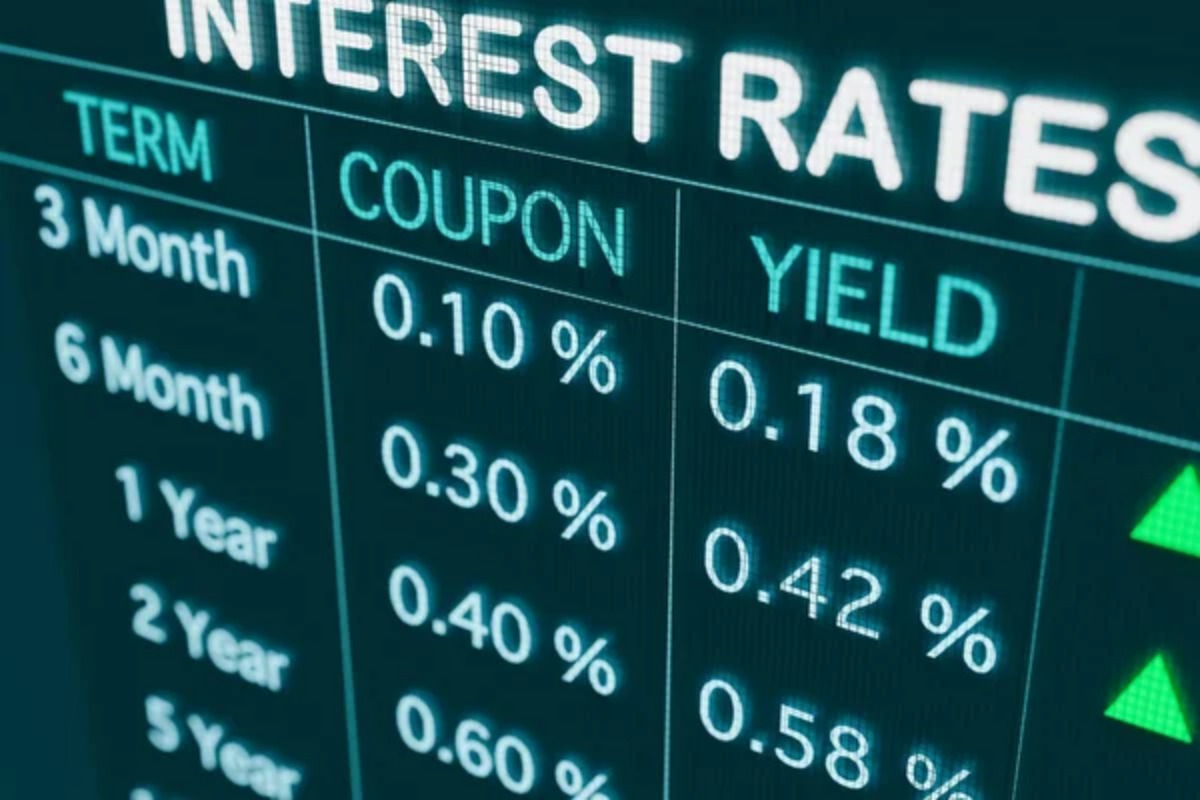
The fed funds rate influences short-term borrowing costs at a lag, including credit card and auto loan rates. But longer-term interest rates, which matter most for mortgages and business investment, have trended up since October.
The 10-year Treasury yield, which dropped to 4.01% ahead of the Fed’s cut in September, opened at 4.18% this morning — driving borrowing costs higher, not lower.
After lowering 2.75 percentage points from 5% in June 2024 to 2.25% on October 29, 2025, the Bank of Canada (BoC) held steady with no rate cut this month.
Between a rock and a hard place, inflation has been rising more slowly, but still grossly inflated shelter and service costs make it hard for the BoC to justify further cuts at this time.
Interest rates have moved higher in Canada, with the 5-year Treasury yield rising from 2.62% on October 20 to 3.013% this morning, and the Canada 10-year yield at 3.44%, up from 3.04% on October 28. Fixed mortgage rates are moving up.
The idea of firmer-for-longer policy rates also prompted the Canadian dollar to rebound against the US dollar, now up 2.5% since November 6.
Gains in Treasury yields and the loonie are tightening financial conditions at a time when employment is deteriorating, exports are weak, oil surpluses are mounting, and home prices have been falling nationally; in America, too: see Home prices go negative for the first time in over 2 years — and may stay that way for a while.
Historically, the most stubborn economic downturns have been led by contractions in the housing market.
The burden of too-high debt and inflated costs is a real and crushing legacy of ultra-easy fiscal and monetary policies through 2022. Now, the tab has come due, and quick, pain-free fixes do not exist.
More By This Author:
High Shelter Prices Cost A FortuneIs The Bank Of Canada Done Easing?
Nothing More Empowering Than Self-Powering


Comments
Log in or sign up to join the conversation.