

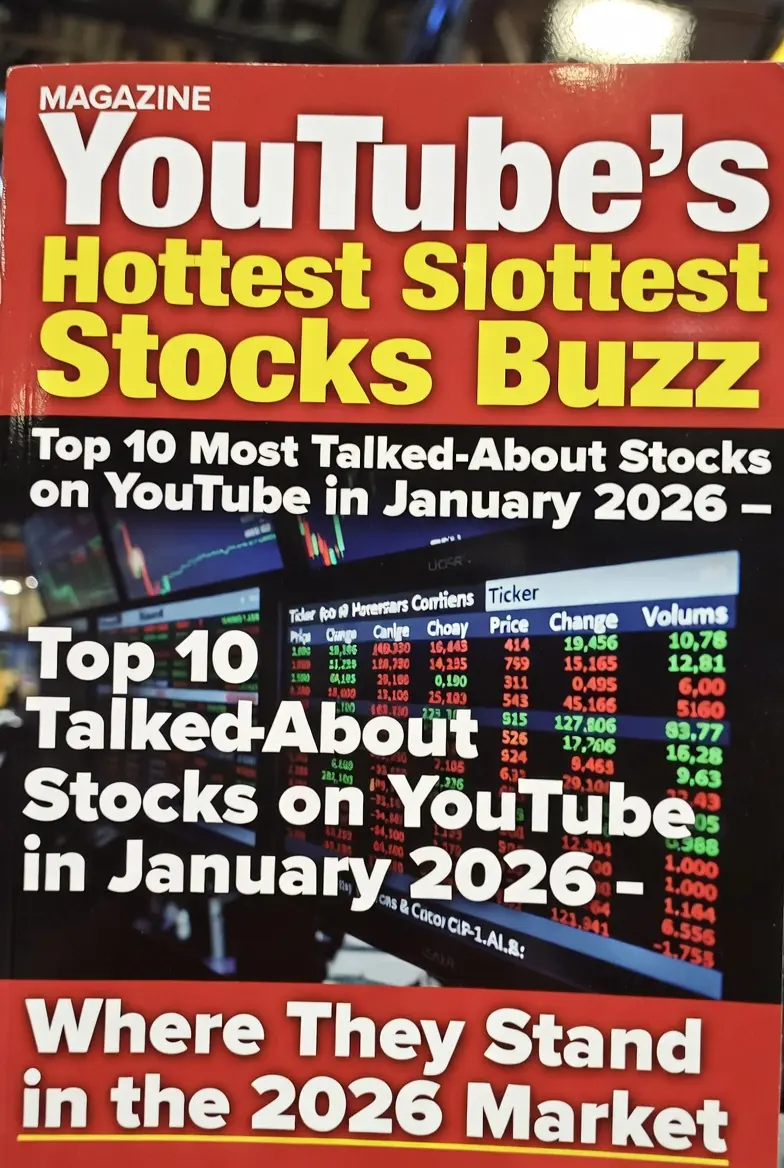
AI, tech growth, and fintech names continue to dominate YouTube finance channels in early 2026. Creators are pumping out "Buy Heavy in January," "Top Picks for 2026," and earnings previews, with heavy focus on semiconductors, EVs, and platforms. Here's the current top 10 based on video titles, views, and recurring mentions from the top youtubers and commentors.
As of ~January 23-26, 2026 (markets mixed/flat overall—S&P 500 hovering near 6,915-6,960, YTD roughly flat to +0.03% in recent closes after a choppy start), here's their year-to-date performance snapshot:
- NVDA (Nvidia) — The undisputed AI king still rules discussions. YTD: +0.63% (slight edge up from ~$186.50 start-of-year levels). Resilience in semis despite broader tech wobble.
- TSLA (Tesla) — Robotaxi hype, EV forecasts, and Elon headlines keep it viral. YTD: -0.15% (basically flat, ~$449 range). Minimal drift so far.
- PLTR (Palantir) — AI/data play getting "next NVDA" comparisons and buy-heavy calls. YTD: -4.59% (current ~$169.60). One of the softer performers amid profit-taking.
- AMD — Chip rival bundled in every AI/semiconductor roundup. YTD: Flat to slightly negative (tracking peers like NVDA in volatile early trading).
- SOFI (SoFi) — Fintech darling in growth lists and "buy heavy" videos. YTD: Choppy/flat to modestly down (rate-sensitive name in slow market start).
- HOOD (Robinhood) — Retail trading comeback, meme vibes, and fintech chatter. YTD: Range-bound/slightly negative (tied to overall risk sentiment).
- META (Meta Platforms) — Quality software pick in high-margin/AI-adjacent talks. YTD: Flat to mildly positive. Steady mega-cap hold.
- MSFT (Microsoft) — Cloud/AI powerhouse anchoring many 2026 portfolios. YTD: Stable/flat. Low volatility so far.
- NFLX (Netflix) — Recovery plays, subscriber growth, and entertainment outlooks. YTD: Near flat. Less dramatic moves early-year.
- INTC (Intel) — Turnaround debates (or warnings) heating up amid chip sector pressure. YTD: Notably weak (recent clips highlight big drops, e.g., -16.98% in periods). Clear laggard of the group.
Quick Takeaway: 2026 kicked off slowly for these tech-heavy favorites after epic prior-year runs. NVDA shows the most early grit, while INTC lags hard on execution concerns. PLTR and some fintechs took hits, but buzz remains strong—earnings season could spark bigger swings. Overall Tech and AI still dominate, with most names on the list companies that we use thier products daily. Will Tesla be included daily use of products and boost it over 600 a share? Will Sofi transform banking and get included in the S&P500 as many speculate? And will Intels government investments help finally boost them to the level Intel should be at? We'll just have to wait and see. However it turns out I see a very bullish 2026 overall. But we've never had a year like this one, with AI so dominant, the world order changing constantly , geopolicial events colliding and lots of new events and news happening each week. I expect a high volatility year with points of calm and rangebound trading but its important to note the retracement that hstorically happens in Midterm election years.
Yes, historically, midterm election years (the second year of a U.S. presidential term, like 2026) have shown a tendency for deeper-than-average market dips or corrections in the S&P 500, often exceeding 10%.
Key patterns from long-term data (going back to the 1920s or earlier in many analyses):
- The average intra-year drawdown (the largest peak-to-trough decline within the year) in midterm years is around 18-19%, compared to about 13% in non-midterm years of the presidential cycle. This comes from sources like Baird Wealth and various market cycle studies.
- Drawdowns of 10%+ (a technical correction) are common and frequently occur, especially in the buildup to the November election. Some analyses note an average drawdown of ~18.2% in the 12 months leading into midterms (from 1926 onward).
However, this is not a guaranteed "crash" every time—it's a statistical tendency, not an iron rule:
- Not every midterm year sees a 10%+ dip (though most do experience meaningful pullbacks).
- The pattern is more about increased volatility and deeper corrections rather than consistent bear markets.
- Post-election (especially after November in midterm years), markets have historically rebounded strongly, with some data showing average 12-month forward returns exceeding 30% in many cases, as uncertainty resolves and policy clarity emerges.
Examples from recent cycles (e.g., 2022, 2018, 2014, etc.) align with this: bigger intra-year drops than average, followed by recoveries.
Bottom line for 2026: History suggests a higher probability of at least one 10%+ dip (or more) compared to non-midterm years, particularly if uncertainty builds around policy, economy, or election outcomes. But markets can defy patterns (e.g., strong earnings or other drivers could limit downside), and the long-term trend remains upward. Many analysts note that while pre-midterm weakness is common, the year often ends up positive or sets up for big gains in year 3 of the cycle.
This is based on presidential cycle seasonality (widely studied since the 1980s/90s). Past performance isn't a predictor, but it's a well-documented bias worth watching—especially with 2026 being a classic midterm year. If you're positioning for it, diversification and not timing the exact bottom are usually the safer plays. Overall, I expect a great year for us in the market, but only time will tell! Safe trading and investing, everyone.
More By This Author:
The Week That Shook The Street: A Recap Of Market Mayhem
Tesla End Game: Bullish Catalysts & Technical Analysis Into 2026
Bulls Vs Bears Battle: Burry’s Legendary $500M+ Short – Crash Or Smash In 2025?
.webp)

Comments
Log in or sign up to join the conversation.