

There are many areas in life where paying attention to your emotions will serve you well. Stock market investing is not one of those areas. Allowing your emotions to affect your stock trading is not a pathway to being profitable. Rather, it regularly leads to mistakes that erode your portfolio.

To keep emotions from playing a role in decisions about buying and selling stocks, I encourage investors to leverage a strategy known as stock market technical analysis. Rather than being emotional, technical analysis is rational. It is founded on the belief that the most important factor to consider when evaluating a stock’s attractiveness is the reality of its current stock market price relative to its indicators. When used with care and understanding, technical analysis can be a powerful tool for forecasting the future performance of stocks.
What to do when investing
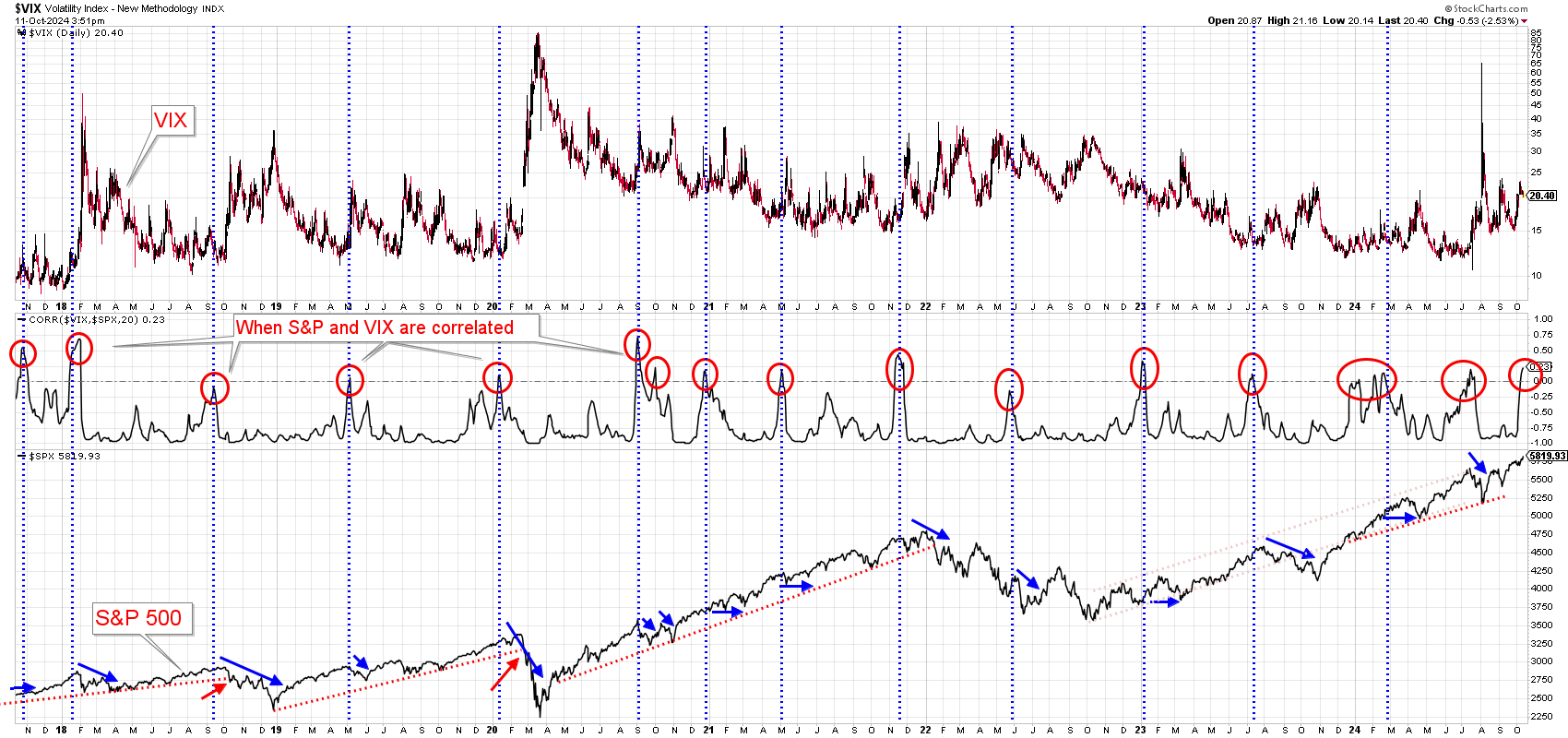
The first step in applying technical analysis is embracing the idea that stocks move in trends that often repeat. As stock prices fluctuate over time, resulting in ongoing highs and lows, technical analysis assesses if the highs and lows are getting consistently higher, which indicates an upward trend, or lower, which indicates a downward trend. The data that shows whether stocks are trending up, down, or sideways is used to forecast their future performance. Technical analysis assumes that stocks are always more likely to follow trends than to behave erratically.
In general, technical analysis prescribes that investors ride trends upward, watching highs and lows to determine when the performance turns from trending up to trending sideways and eventually trending downward. Stocks trending sideways should be watched closely. It isn’t necessarily a sign that stocks will begin to trend down, but often results in a consolidation of recent gains; therefore, close attention is necessary to determine if the upward trend continues or if the stock begins to rollover.. When stocks trend down, with lower highs and lower lows, it might be a good time to exit the position.
Using technical analysis requires a much more active approach to investing when compared to the typical “buy and hold” strategy that many advisors employ. Active investing pays close attention to trends, rather than assuming that any portfolio, especially if diversified, will be profitable over time. While that may be true, there is no guarantee that a portfolio built on “buy and hold” will be profitable, especially when you need it to be.
Because of the active nature of technical analysis, it can be used to identify not only the long term trends but also the short term fluctuation patterns. It allows short term investors to take small wins by picking stocks up at the support, or low price level, and selling at the resistance, or high price level.
What not to do when investing
As I’ve said, emotions and investing don’t mix well. When stock prices are on the increase, greed can motivate you to keep a stock well past the time when it should be sold. When stock prices are on the decrease, fear can do the same thing. When investing, don’t let your emotions cloud your judgment. The trend is your friend.
It is common for investors to lose money because they fall in love with a stock and continue to believe in it even when its performance and market environments change. It’s okay to buy the companies that you love; however, use technical analysis to help improve your entry and exit prices, which can lead to a happier and more profitable trades.
Finally, when investing, expect the unexpected. History tends to repeat itself, and stock market “shocks” should not be so shocking if you follow stock market trends. While technical analysis does not predict the future, it does reveal what can be reasonably assumed about a stock’s performance. If your goal is to guard and grow your investments, technical analysis gives you a tool to achieve consistent performance for your portfolio.

Comments
Log in or sign up to join the conversation.