

Let’s discuss 2026 health care premiums and what they mean to the Fed’s preferred measure of inflation.

Mish Calculation of PCE percentage weights for 2024.
Medicare Premium Announcement
I will return to the lead chart in a bit. First, let’s look at health care cost estimates for 2026.
Medicare Premiums & Costs for 2026
- Medicare Part B (Medical Insurance):
- Standard Premium: $202.90/month (up from $185).
- Annual Deductible: $283 (up from $257).
- Higher Income (IRMAA): Premiums increase based on your 2024 income, with brackets up to $689.90/month for the highest earners.
Please consider the Centers for Medicare & Medicaid Services announcement on 2026 Medicare Parts A & B Premiums and Deductibles

The standard premium (not counting deductibles) rises by $17.90, an increase of 9.7 percent. The brackets across the board are up 9.7 percent.
There is a bit of reverse bracket creep for those in small windows. But deductibles are slightly higher.
For Part B Immunosuppressive Drug Coverage only, the standard premium is up from $110.40 to $121.60. That’s an increase of $11.20 per month or 10.1 percent, again with slightly negative bracket creep.
Medicare Part D kicks in at $109,000. The 2026 income related deduction is $14.50 per month, up from 13.70 per month. That’s an increase of only 5.8 percent.
Medicare Advantage Plans
About 52 percent of those on Medicare are in Medicare Advantage Plans. Those premiums are in addition to the standard Medicare Part B premium.
Fortunately that premium is expected to decline slightly.
Overall Medicare Increase
Factoring in slightly negative bracket creep, slight increase in deductibles, and half in Medicare Advantage plans, the average Medicare increase is ~9.25 percent.
Corporate Health Insurance Plans Key Projections
- Aon and WTW project employer-sponsored health plan costs to rise by approximately 9.5%.
- Business Group on Health reports a median employer prediction of a 9% increase, which employers plan to manage down to 7.6% with plan changes.
- Employee Premium Share: Workers may pay 6-7% more in premiums, while deductibles and copays could also rise, say Mercer and National Insurance Services.
- PwC expects an 8.5% medical cost trend for group health insurance for the third consecutive year.
- Pharmacy Costs: Projected to rise by 11-12%, with GLP-1s (for weight loss) being a major factor.
- Small Businesses (ACA Plans): Median premium increases of around 11% are anticipated, with some insurers seeking much higher rates, according to Venteur and KFF.
The above compiled from an Grok AI inquiry.
The CPI only counts expenses directly paid by consumers. The Fed’s preferred measure of inflation is the Personal Consumption Expenditures (PCE) price index. PCE does count expenses paid on behalf of consumers, so ignore the worker share expected increase of 6-7 percent.
Small businesses are much more impacted. Averaging all of the above, I will again estimate price hikes of ~9.25 percent.
Obamacare Premiums
CNN reports Obamacare enrollees get first look at 2026 prices as premiums soar
Premiums for Affordable Care Act coverage will skyrocket 26%, on average, next year, according to a KFF analysis released Tuesday evening, just days before open enrollment starts on November 1.
The price hike is one of the largest jumps since Obamacare plans debuted more than a decade ago — and it doesn’t factor in the expiration of the enhanced premium subsidies.
Several states that run their own Obamacare exchanges have announced that premiums will at least double next year if the enhanced subsidies lapse.
In New Jersey, premiums will soar to more than $2,780 annually — a jump of more than 174%, on average — because of the enhanced subsidies’ expiration and insurers’ rate hike of 16.6%, according to the state’s Department of Banking and Insurance. About 60,000 enrollees in Get Covered New Jersey will completely lose federal assistance in paying their premiums in 2026.
The enhanced subsidies, which a Democratic Congress approved in 2021 and extended the following year, have helped drive Obamacare sign-ups to a record 24 million for this year.
Around 17 million people signed up for 2025 coverage on healthcare.gov. Another roughly 7 million enrollees live in states that run their own exchanges.
Mapping the Uneven Burden of Rising ACA Marketplace Premium Payments
Please consider Mapping the Uneven Burden of Rising ACA Marketplace Premium Payments due to Enhanced Tax Credit Expiration by KFF.
Enhanced premium tax credits expire at the end of this year. Enrollees currently receiving premium tax credits at any level of income will see their federal assistance decrease or disappear if enhanced premium tax credits expire, with an average increase of 114% to what enrollees pay in premiums net of tax credits. Since premium payments are capped based on income and family size, there is little geographic variation in the resulting increases in premium payments for enrollees with incomes below 400% of poverty. Out-of-pocket premiums for people with incomes below 400% of poverty will increase by hundreds of dollars to over $1,500 per person on average.
That paragraph contains the number we need for my PCE inflation analysis below, “an average increase of 114%”.
The setup is really dire for some income groups. For those at 401 percent of poverty level, the minimum percentage increase in any state is 84 percent in New York.
In Wyoming the increase is 421 percent. In 20 states, including Texas, Illinois, Florida, and North Carolina, the increase is over 200 percent. Those increases are for a 60-Year-Old Making 401% of Poverty ($62,757 per Year).
The overall average for all poverty levels is 114 percent. Click on the link above for a series of interactive maps.
How Many People Are on Obamacare
Chrome AI: “Approximately 1 in 6 Americans under 65 (or 16.4%) were enrolled in coverage through the Affordable Care Act (ACA) Marketplaces and Medicaid expansion in 2024. As of early 2025, over 24 million people were enrolled in the ACA Marketplaces alone, which is double the number from four years prior. The total number of uninsured Americans has fallen to 7.9% in 2023, a near halving of the rate before the ACA’s major provisions took effect.”
ABC News reports 1 in 4 Affordable Care Act enrollees would ‘very likely’ forego health insurance if premiums double: Poll
“What we’re really interested in is understanding how marketplace enrollees are thinking about their decisions around coverage in 2026 … and so we wanted to actually hear from the people that were being directly impacted by this,” Ashley Kirzinger, director of survey methodology at KFF, told ABC News.
Kirzinger said the finding that one in four Americans would “very likely” forego insurance if faced with the same scenario is concerning.
“One of the things that the Affordable Care Act did was decrease our uninsurance rate in this country,” she said. “And so this could have major implications and major consequences as more people become uninsured for the first time in a decade.”
“And so, it’s not that they want to go without coverage. It’s that that may be the only option available to them,” Kirzinger added.
Healthcare Percent of PCE
AI: “Healthcare has a significant weight in the Personal Consumption Expenditures (PCE) Price Index, typically around 15-18%, but it’s much higher than its share in the CPI because PCE includes health spending paid by third parties (employers, government) on behalf of consumers, not just out-of-pocket costs, making it a broader measure that reflects overall economic impact.”
Q: How Did I Calculate the 16.66 percent weight in the lead chart?
A: By looking at total PCE expenditures for 2024.
Goods and Services PCE 2024 Annual Totals

In practice, the BEA uses a chained Fisher formula, where weights are dynamic period-specific shares (typically quarterly) derived from averaging current-period and prior-period current-dollar expenditures.
This allows the index to reflect evolving consumer spending patterns without fixed annual baskets (unlike the CPI, which updates weights biennially).
My chart is an approximation. Healthcare Annual Average 3,315 / Total PCE Average 19,896 = 16.66 percent shown in the lead chart.
Percent Increase Synopsis
- 16.4 Percent on Obamacare: Price up 114 Percent (KFF)
- 7.9 Percent No Insurance (KFF Estimate): Price up 0 Percent
- 75.7 Percent on Medicare or Corporate Plans: Price up 9.25 Percent (Mish)
If there are no dropouts, the PCE weight of 16.66 percent will jump and so will the impact.
If everyone dropped out of Obamacare, the healthcare services weight could drop.
At the expected 114 percent average increase, over 50 percent could drop out and spending would remain about the same. Those who do remain are apt to go for cheaper plans. That means less insurance for the money and thus higher PCE inflation.
In practice, I expect a slight rise in the Health Care weight, and a net 1.5 percentage point increase in the PCE in 2026 due to the price hikes noted above, not counting huge Obamacare impacts.
Good Morning America!
Healthcare is now approximately 16.66 percent of the entire PCE basket, much larger than all durable goods combined, and only 1.5 points behind housing.
2026 medical-cost trends are running 8.5 percent to 9.5 annual percent increases. Those projected increases will add 1.4 to 1.6 percentage points to headline PCE inflation before food, energy, shelter, or tariffs move prices at all.
Again, this ignores the huge Obamacare impact on 1 out of 6 people.
In isolation, the Fed will need to hike rates or deal with higher inflation. Of course, health care is not in isolation. If people spend more on healthcare, they will spend less elsewhere, get bigger raises, or go deeper in debt.
Spending less elsewhere would be disinflationary elsewhere, but that ignores tariff price hikes and the overall recessionary (if not stagflationary) forces.
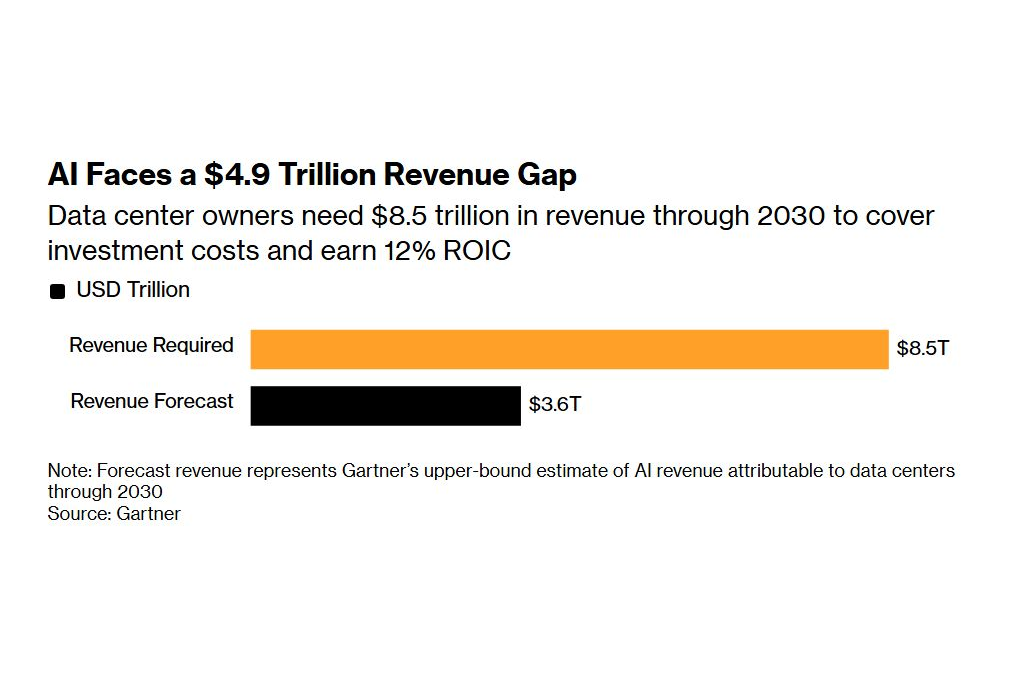
Much spending is not discretionary, especially food, housing, and energy. So, factor in electricity rates that are rising fast. Someone has to pay for the AI buildouts, and that someone is the average consumer.
Homeowners’ Insurance rates and property taxes are also surging. Homeowners’ insurance and property taxes are not in the PCE or CPI at all!
And tariffs add to the cost of durable goods, especially auto parts and appliances.
Anger rates to soar. How can it not?
Instead, if Congress finds hundreds of billions to extend the Obamacare credits to bend the cost curve, it will add to deficits, putting downward pressure on the dollar and upward pressure on inflation.
But Obamacare is only 16.4% of Healthcare. What is Congress or the administration going to do about the bigger pieces that impact the PCE (Medicare and corporate insurance)? About electricity? About property taxes? About homeowners’ insurance?
Meanwhile, Trump says “affordability is a scam.” What a hoot!
The combined picture is one of stagflation, putting upward pressure on interest rates.
Alternatively, if jobs crash and reduce overall demand enough to offset the inflationary aspects of health care, energy, tariffs, and insurance, we will be in recession. This is the alternate scenario.
In between, there is no realistic soft-landing path that threads the needle for the Fed or the administration.
Related Posts
November 23, 2025: Can Trump or Anyone Possibly Fix the US Affordability Crisis?
Trump and NYC mayor Zohran Mamdani will fail. Here’s why.
December 3, 2025 : Small Businesses Drop 120,000 Jobs in November, ADP Total Down 32,000
It’s another grim month according to ADP.
December 4, 2025: Challenger Reports Employers Announced 71,321 Job Cuts in November
Announcements imply future, not immediate, layoffs and unemployment claims.
December 5, 2025: Revelio Says Payrolls Decline by 9,000 the 5th Drop in 7 Months
We don’t have BLS reports but we do have ADP and Revelio.
December 5, 2025: Welcome to Tariff Complexity Hell, No One Knows What Trump Will Do
Tariffs are a tax, and complexity adds to that tax.
December 3, 2015: Electricity Costs Surge 6.7 Percent from Year Ago, Residential Consumers Hammered
Expect a backlash. Residential customers pay double the industrial rate.
Energy is 2.1 percent of the PCE. Even if gasoline prices decrease, consumers rate to be very upset over electricity and natural gas prices.
Finally, please note the key question: Republicans Own Health Care Now, What Will They Do With It?
A poll shows who really won the shutdown war. Let’s start there.
Good morning America. There is no solution for the Fed or the Administration.
More By This Author:
Revelio Says Payrolls Decline By 9,000 The 5th Drop In 7 MonthsPrice Index Increases 0.3 Percent, Next Year Huge Medical Price Pressures
Initial Unemployment Claims Plunge by 27,000. Is This Plausible?
Comments
Log in or sign up to join the conversation.