

The January press conference by the central bank governor confirmed that the mood within the Monetary Policy Council is dovish and policymakers are ready to ease monetary policy further. Central bankers see the decline in inflation as durable and are less concerned about upside risks. We expect another 25bp rate cut in March
National Bank of Poland positive on growth outlook
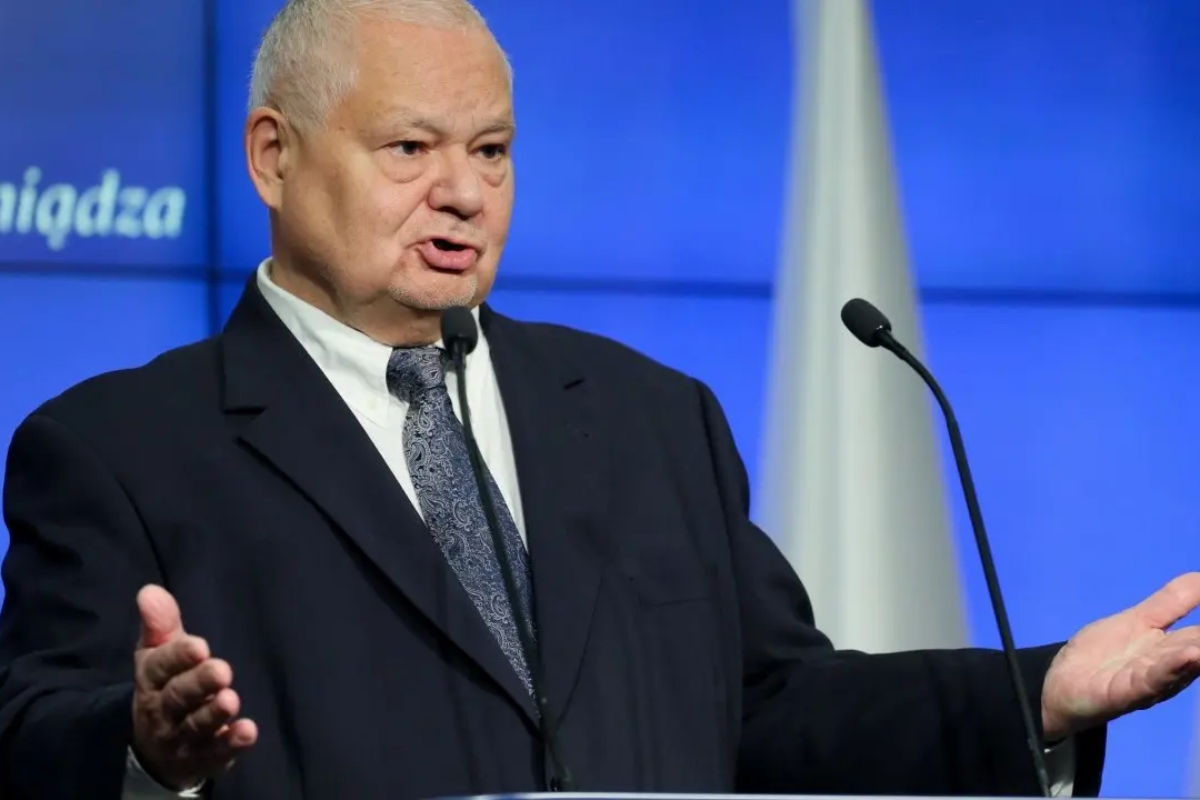
National Bank of Poland (NBP) Governor Adam Glapiński sees economic conditions as favourable, noting that in the third quarter of 2025 Poland’s real GDP was around 17% higher than before the Covid‑19 pandemic. Since 2004, the average GDP growth rate has been close to 4%, nearly three times higher than in the euro area. He highlighted the expected strong economic conditions in 2026, driven among other things by the inflow of funds from the Recovery and Resilience Facility. Until the end of 2027, robust economic growth and low inflation should be maintained. National Bank of Poland Governor Adam Glapiński sees economic conditions as favourable, noting that in the third quarter of 2025 Poland’s real GDP was around 17% higher than before the Covid‑19 pandemic. Since 2004, the average GDP growth rate has been close to 4%, nearly three times higher than in the euro area. He highlighted the expected strong economic conditions in 2026, driven among other things by the inflow of funds from the Recovery and Resilience Facility. Until the end of 2027, robust economic growth and low inflation should be maintained.
Central bank assesses decline in inflation as durable
Adam Glapiński said that current forecasts indicate that throughout 2026 inflation should remain within the NBP’s target range (2.5%, ±1 percentage point). The outlook for inflation is favourable, as are its underlying determinants. Domestic inflationary pressure from services is gradually easing, supported by a slowdown in wage growth. A further decline in the pace of wage increases is expected. The global economy is also sending disinflationary signals: low prices of crude oil and natural gas, and in recent months also food. Imports of cheap goods from China to Europe, including Poland, are rising sharply, exerting a disinflationary effect. Productivity is also increasing, which underpins economic growth and is itself disinflationary.
The key statement in the part of the press conference devoted to price developments was the assessment that “the decline in inflation is durable”. Although Adam Glapiński listed upside risks — including a potential increase in demand pressure, uncertainty about a further slowdown in wage growth, and the large scale of fiscal imbalances — the list is becoming shorter with each successive meeting.
Still room for more rate cuts
Once again, Adam Glapiński reiterated that monetary policy decisions will be taken meeting by meeting, depending on incoming data and forecasts. The Council is implementing its earlier declaration of a pause in interest rate cuts in order to analyse the effects of previous actions. The governor stated that sentiment within the Monetary Policy Council is dovish and that there is still room to ease monetary policy. He added, however, that most of the adjustments have already been made, and what is happening now is its refinement (‘fine‑tuning’). In the NBP President’s assessment, the target interest rate is 3.50%, which corresponds to a real interest rate of around 1.0–1.5%.
Bottom line
The first NBP governor press conference of 2026 brought a clear shift in rhetoric regarding inflationary processes. Adam Glapiński explicitly stated that the decline in inflation is lasting, and he devoted noticeably less time than in previous appearances to discussing upside risks to inflation.
In our view, the first months of 2026 will bring a further decline in inflation, and there is still room for interest rate cuts due to the increasing risk of undershooting the inflation target in the medium term. As a result, we believe the pause in monetary easing will be brief. We expect another 25bp rate cut in March and NBP interest rates to be lowered to 3.25% by the end of the year from the current 4.00%.
More By This Author:
Eurozone Industrial Production On The RiseFX Daily: Cross Current To Keep Ranges Intact
Bank Of Korea Stands Pat, Ending Its Easing Cycle, Amid Currency Concerns
Comments
Log in or sign up to join the conversation.