


Hopes of an early German recovery were quickly shelved
Hopes for an end to German stagnation in 2025 had to be quickly shelved. After the U-turn on fiscal stimulus and the new government coalition agreement, optimism returned to the country, only for it to enter a new phase of national depression in the second half of the year, driven by doubts about creative budget accounting and a clear lack of structural reforms. Since the end of 2022, there have been only two quarters in which the economy actually grew.
Still, this dreadful economic performance had at least one upside: at the end of the year, everyone seems to have finally understood that Germany’s economic problems are not just a fatal concatenation of unfortunate circumstances but rather the result of years of underinvestment, a lack of structural reforms and the rise of China from export destination to system rival. US tariffs and the stronger euro only aggravated the problems, but they are not the root cause.
Time to get more positive about Germany
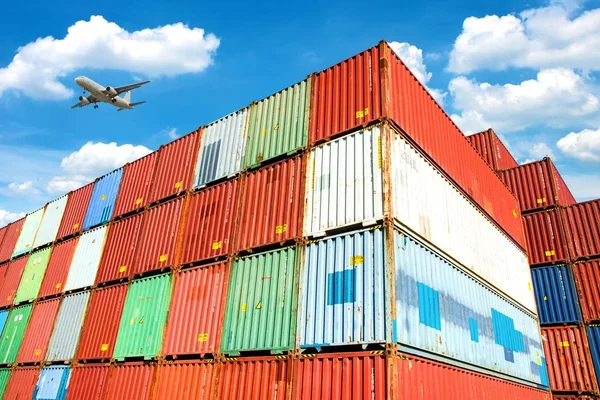
At first glance, the past year gave little reason for optimism, but rather sent the entire country into national depression. There are good reasons to finally be more positive about the German economy. The latest macro data indicates a clear turning point in industry. Industrial orders have now increased for three consecutive months, and even the argument that the November surge was driven by bulk orders does not really concern us; with the fiscal spending programme, more of these bulk orders will come this year.
By 2026, bulk orders could be the new normal, not the exception. Which brings us to the main reason for optimism: fiscal stimulus. The announced infrastructure and defence investment plans will finally begin to reach the economy this year. Critics often overlook the sluggishness of Germany’s federal decision-making process. It took until late last year for parliament to approve the 2026 budget and almost 30 military procurement contracts. With the rapid expansion of production capacity in the defence industry, there is a good chance that a large part of the defence spending will remain within the domestic economy and not leak to other countries.
In fact, we see the defence sector as a potential positive surprise in 2026. Last but not least, even though corporates don’t get tired of complaining about elevated energy costs, the government’s decision to bring those costs down to one-third of their current levels should bring further relief, if it's implemented.
Private consumption will lag behind
While industry should stage a decent rebound, private consumption will remain muted in 2026. Over the last four years, German unemployment has increased by some 500,000 people. This gradual worsening reflects textbook economics: with the economy effectively stagnating for more than five years and industry facing severe structural challenges, a deterioration in the labour market was inevitable. This deterioration of the labour market appears set to continue, as the number of corporate insolvencies has not yet declined. With ongoing uncertainty about the future of Germany’s pension system and anticipated higher costs associated with demographic change, it remains difficult to foresee a significant pickup in private consumption in the near term.
The three Rs: from rebound to recovery... only with reforms
An economic liftoff is clearly in the making, and we expect some 1% GDP growth for this year. However, the economy’s problems are deeply rooted, often structural and largely self-made, except for the China problem. Solving these issues quickly is impossible. This is a completely different challenge from some twenty years ago, when Germany had also been the ‘sick man of Europe’.
This time around, the economy almost needs a complete makeover, ranging from well-known measures such as reducing red tape and introducing e-government to mastering and lowering the financial burden of demographics or through tax cuts. It is up to German Chancellor Friedrich Merz and his government to implement these reforms this year and turn a long-awaited rebound into a sustainable recovery.
More By This Author:
More Evidence Of A Cyclical Turnaround In German IndustryGerman Labour Market Records Worst December Reading Since 2010
German Inflation Slows Down At The End Of 2025
Comments
Log in or sign up to join the conversation.