

Policymakers opted to maintain the base rate unchanged at 3.5%, in line with market expectations and forward guidance. Lower energy prices will likely bring next year’s headline inflation below the target, while core inflation will be exposed to opposing forces. A rate reduction is a viable option mid-next year if downward pressures dominate.
Inflation below the target opens the door for a cut
The bank board voted unanimously to hold rates at 3.5%, with all six members present in favour, while Eva Zamrazilova was absent. Such a vote outcome was anticipated by market participants and communicated as likely in previous comments by board members. The Czech National Bank still sees ample domestic pressures warranting a restrictive monetary policy stance. Still, a tight labour market, punchy wage growth, and high property price growth represent the main pro-inflationary risks.
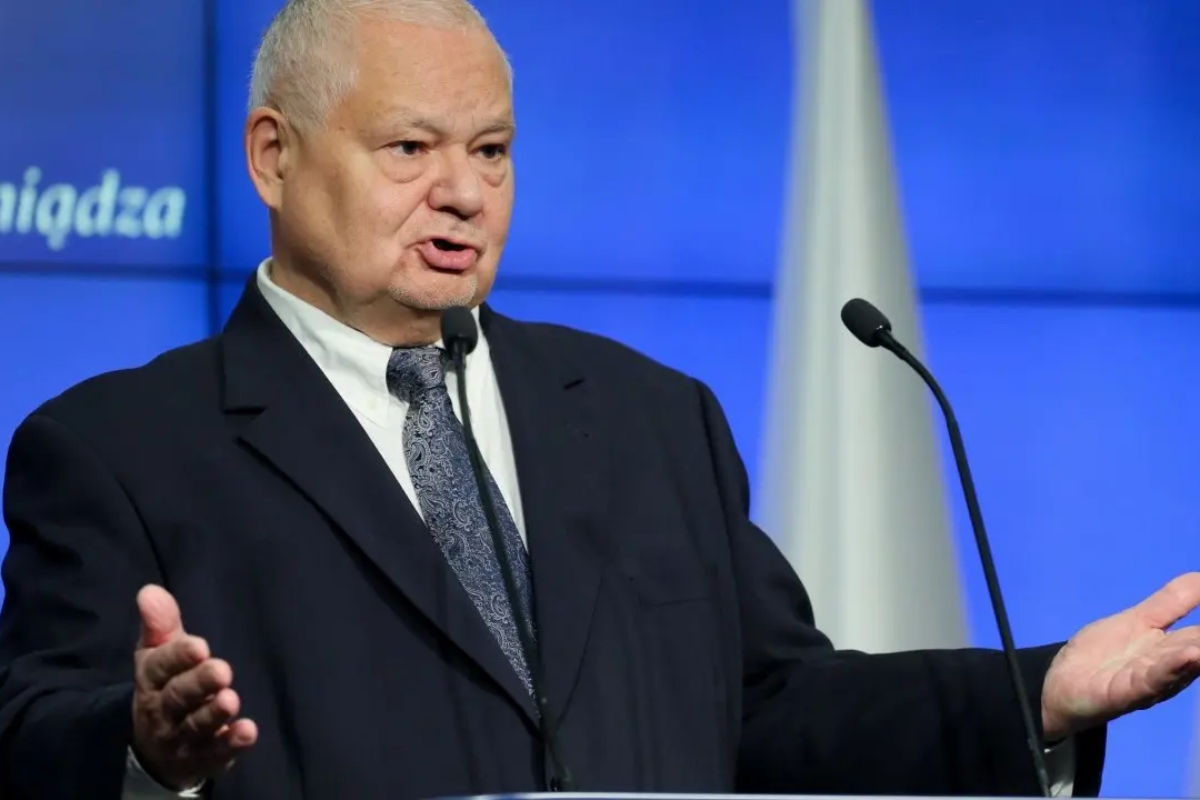
The current CNB forecast assumes headline inflation to hover just above the target over the coming year. The CNB does not want to see credit growth getting out of hand, which could add to distortions in the housing market, while strong rent growth remains an issue. In contrast, anti-inflationary risks are mostly linked to foreign factors, predominantly the continued underperformance of the German economy. CNB governor, Ales Michl, sees all options open when looking ahead, with equal odds of a cut or a hike as the next step. That said, he admitted that there are non-negligible risks of observing headline inflation below the target if the new government proceeds with the suggested subsidy on electricity prices for both households and firms.
Headline inflation will likely get well below target

Source: CNB, ING, Macrobond
Considering our forecasts, we switch to our previous alternative scenario and make it the baseline, in which annual headline inflation eases well below the target next year to 1.4% on average. Such a move reflects the fact that the government is about to proceed with reducing the regulated part of the electricity price. The change is being designed so that the end price for households drops by 10%, most likely already in January 2026. Such a move would shave 0.4ppt from headline inflation via a direct effect. This government move is on top of the reduction in energy end prices already announced by energy distributors, mostly reflecting the subdued global energy prices and electricity market pricing, shedding some 0.2ppt from headline inflation in a direct effect. We take the stance that such a low headline inflation would imply that monetary conditions are too strict, while a cut would bring the real interest rate back below 2% when measured against headline inflation.
Core inflation close to 2% might provide the green light
We expect regulated prices for consumers to drop by 3% throughout the whole year on average. There will be two opposing forces driving core inflation: lower energy prices trickling down through the economy on the one hand, and more upbeat discretionary spending linked to relaxed household budgets due to lower energy bills. It is hard to predict which of the two forces will take the upper hand. However, electricity prices will also be lowered for firms, representing a positive supply shock that usually implies higher output at lower prices. With this effect in mind, we believe that the overall effect on core inflation will turn rather slightly negative, and we include a negative secondary impact on core and food inflation.
One cut would bring real rate to terms

Source: CNB, ING, Macrobond
This opens the window for a reduction of the policy rate that would bring the real interest rate to below 2% when measured against headline inflation. We see this move coming at the end of next summer, when annual headline inflation is set to soften to 1.1% in August, and the core rate will possibly ease to 2.1% in the same month. The CNB going ahead with one cut becomes our base case scenario, while two cuts are also an option. That said, there is still a decent probability, say 40%, that the CNB will sit things out, emphasising that this is a temporary effect carrying risks for core inflation. There is also a lot of uncertainty about how the two effects of lower energy prices, on the one hand, and the more relaxed budgets boosting resources for discretionary spending, on the other hand, play out throughout the following year.
More By This Author:
Bank Of England Cuts Rates In Heavily Divided Decision
The Commodities Feed: Venezuelan And Russian Oil Supply Risks Push Market Higher
FX Daily: Stretched Positioning May Be Sterling’s Only Friend

Comments
Log in or sign up to join the conversation.