

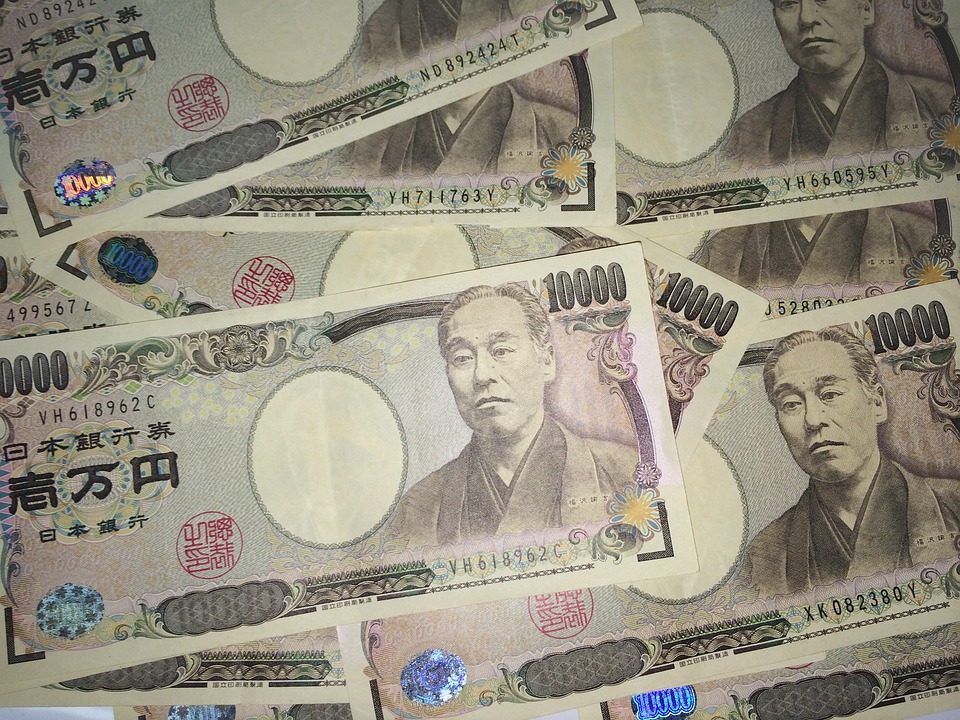
Yen. Image Source: Pixabay
Japan’s bond market is blowing up.
As I first outlined in my bestselling book The Everything Bubble in 2017, Japan is the grandfather of monetary policy insanity. The Fed first cuts rates to zero and launched large-scale Quantitative Easing (QE) programs in 2008. Japan’s central bank, the Bank of Japan or BoJ first introduced ZIRP in 1999 and QE in 2001. Since that time, it has engaged in a slow-motion nationalization of Japan’s entire financial system.
Japan’s Debt to GDP first cleared 100% in the mid-1990s. Since that time the BoJ has introduced…
- Negative interest rate policy (NIRP), through which it charges lenders to lend it money.
- A single QE program equal to 25% of Japan’s GDP (in 2013).
- Unlimited QE in the form of yield control, through which it prints money and buys Japanese Government Bonds any time said bonds’ yields begin to rise above a certain level.
As a result of this, Japan now has a Debt to GDP ratio of well over 260%, and there’s no sign of stopping. As of 2020, the BoJ was the single largest holder of Japanese stocks in the world. All told, it owned 7% of the entire Japanese stock market and is a top 10 shareholder for over half the companies that trade on the Nikkei.
By 2022, the BoJ owned over 50% of all of Japan’s debt. Things were so out of control that there are days in which certain Japanese Government Bonds no longer even trade because there are no longer active buyers and sellers; the BoJ owns everything!
And as a result of buying all these assets, the BoJ’s balance sheet became larger than the Japan’s total annual economic output (GDP) in 2018. It has since grown to over 130% of Japan’s GDP.
I bring all of this up because it appears the BoJ is finally beginning to lose control of its financial system. Once inflation appeared in 2002, the BoJ was cornered. Either it raised rates to defend its bond market, or it allowed Japan’s currency (the Yen) to collapse.
The BoJ chose the latter option. Since that time, the Yen has collapsed 27%.

This only worsened inflation in Japan. And so, in 2024, the BoJ was forced to finally raise rates for the first time since 2007. The yield on Japanese bonds skyrocketed and hasn’t locked back.
As I wrote this, the yield on Japan’s all-important 10-year government bond is trading at all-time highs. The situation has become so dire that the BoJ will soon be forced to intervene in the market.
One potentially dangerous intervention would concern Japan selling some of its U.S. Treasury holdings (currently valued at $1.2 TRILLION) to free up capital to either intervene in the currency or bond markets.
Japan is the largest holder of Treasuries outside of the Fed. If the former opts to sell some Treasuries it would create TREMENDOUS short-term volatility in risk assets. We have to remember, that during the first spike in Japanese bond yields back in late-July 2024, U.S. stocks plunged 10% in a matter of days.
My point with all of the above analysis is that there are multiple MAJOR issues in the financial system today that could easily trigger a sell-off in risk assets that sees the S&P 500 decline to the 6,600s-6,700s.
In this context, the #1 question for investors is whether the bull market is about to end and it’s time to “sell the farm” … or if this is another opportunity to “buy the dip.”
More By This Author:
Why The Warren Buffett Of Canada Is Loading Up On This Beaten Down Stock
The Financial System Is Coming Apart At The Seams
The Dark Truth About Trump’s Attack On The Fed


Comments
Log in or sign up to join the conversation.