

Image Source: Pexels
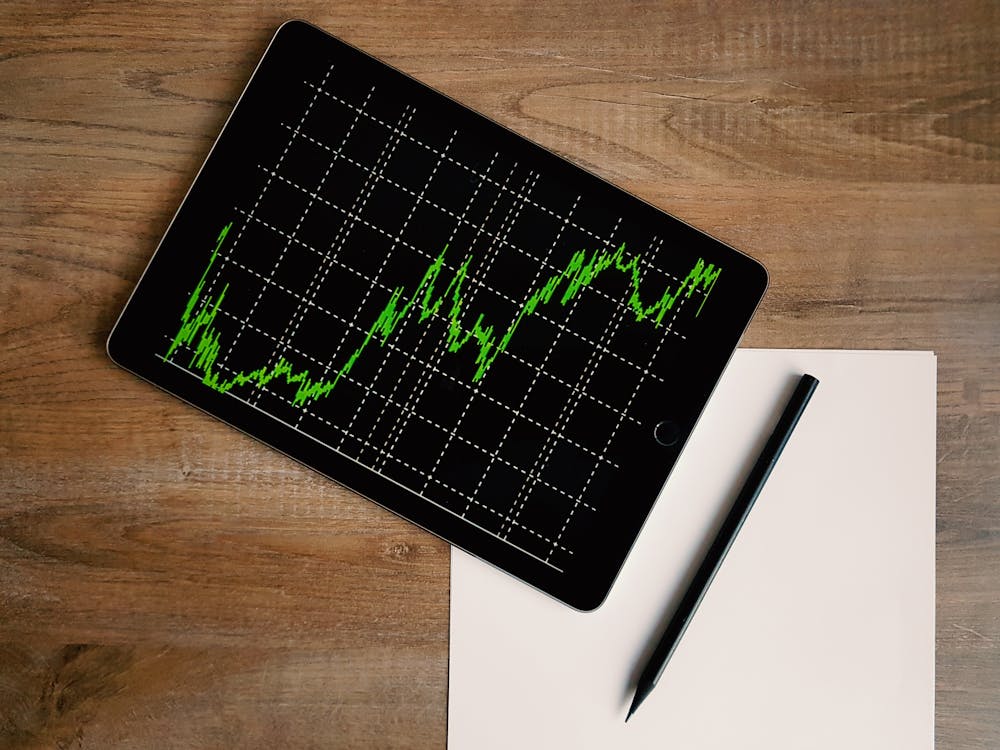
Friday morning, I drew something on the chart I've watched play out thousands of times: Contraction, expansion, retracement. Contraction, expansion, retracement. Right on and on, to the break of dawn.
The entire week had been building toward that Friday breakout. Monday through Thursday, it chopped inside a tight range. The market was consolidating. Compressing. Building energy for the next directional move.
Then Friday delivered the expansion. The breakout traders had been waiting for all week had finally materialized. The market then ran. Hard.
But here's what matters. That expansion phase doesn't last forever. Once it's done, retracement comes next. The market breathes. It pulls back. Then the cycle resets. Understanding this rhythm changes how you trade.
Why Most Traders Fight the Pattern
Tuesday's session demonstrated the problem with fighting market structure. We saw big breakout moves. Prices ripped higher. Everything screamed bullish momentum.
A trader in the room mentioned people were calling me a contrarian for buying pullbacks instead of chasing breakouts. I pulled up a Fibonacci tool and measured the move. From the low to the high, the market had traveled hard and fast. Then it did exactly what the Nasdaq always does: It retraced 50%
I commented, "when you see a big breakout move like this, or even a breakdown move like this, slap a fib on it. Just put a Fibonacci retracement on it. Measure the move."
The setup looked bullish. The breakout trade looked right. But if you bought that breakout near the top, you sat through 25 points of heat before the trade even had a chance to work.
"That's 25 points. That's 25 points of heat, of risk against you. That's no bueno. You're not gonna hold trades for 25 points to have them start to work out."
The Nasdaq is famous for this pattern: A big directional move, fast retracement, then continuation if the trend has legs. Traders who understand this rhythm wait for the pullback. Traders who don't understand it chase the breakout and get stopped out right before the next leg begins.
The Consolidation Nobody Wants to Sit Through
On Thursday morning, I laid out exactly where we were in the cycle: "We've been consolidating this move right here. We've been consolidating it all week. So it's Thursday. So you almost have to resign yourself to the fact that we're either gonna just start grinding and lifting up into FOMC or we're gonna just continue this sideways action until FOMC and contract roll."
Consolidation is boring. Prices go nowhere. Setups appear and fail. Traders get frustrated because they feel like they should be doing something. But consolidation serves a purpose. The market is deciding what comes next. It's building the foundation for the next expansion phase. You can either fight this process or accept it.
Wednesday brought about another example. We opened with Microsoft headlines driving price action. The market was stuck in a 50-handle range on the S&P 500. I said, "we've been sitting here doing this contraction. It's in a decent range. It's in a 50-handle range on the ES. We expand out of this, it's gonna be a big move in my opinion."
The traders who spent all week forcing trades during consolidation wasted capital and energy. The traders who recognized the pattern and waited positioned themselves for Friday's expansion.
How to Actually Use This
Monday's opening showed the power of knowing where you are in the cycle. We had a fast increase in volatility right at the open. Big moves. Lots of action.
But was that expansion or just noise? How do you tell the difference? Look at what came before. Monday followed an abbreviated Friday session. The previous week had delivered clear expansion. Monday opened with everyone positioning for the next phase.
I commented, "first hour, you know, big ATR pretty fast. You gotta break of the opening range."
That's not expansion out of consolidation. That's choppiness at the start of a new weekly cycle. The methodology still works, but the context matters. Expansion trades differently than consolidation. Retracement trades differently than expansion.
On Tuesday morning, I explained how this applies to the Golden Setup specifically: "Whenever we have big moves, we look for retracement. So this move right here from this low to this high, if we measure it, guess what? We did a halfway back right here."
The Golden Setup is built around this pattern. Prices move hard in one direction. I wait for the retracement back to my levels. Then I position for the next phase of the cycle.
Some people think this makes me a contrarian. They see the price screaming higher and assume I'm fighting the trend by buying pullbacks. I'm not fighting anything. I'm trading with the rhythm the market naturally follows. As I said, "number one, it's a probability that I have analyzed, overanalyzed over and over and over again. And it is based on a mechanical trade whereby risk is established."
What Friday Actually Taught
By Friday afternoon, the cycle had completed. We spent Monday through Thursday in contraction. The market was tight. Compressed. Ready to move.
Friday delivered expansion. The breakout finally happened. Prices ran toward new highs. The traders who sat patiently through the consolidation got rewarded. "We're getting the expansion. So this, based on the hourly chart, if we close above this, we got a 9,112 setting up. We got a 26,000 setting up."
Then I said something critical about what comes next: "Now once expansion's done, we typically see retracement. But I don't think you get that on a Friday. I don't know. Could happen."
There's an old saying. Tops and bottoms rarely form on Fridays. The expansion phase was clear. Retracement would come eventually. But trying to pick exactly when costs money. "We can hurt ourselves trying to figure out where we're gonna get it."
The rhythm exists. Contraction builds into expansion. Expansion leads to retracement. Retracement sets up the next contraction phase. Then the cycle repeats. Understanding this pattern doesn't mean you can predict exactly when each phase begins and ends. It means you recognize what's happening right now and trade accordingly.
When the market is consolidating, I wait. When expansion begins, I look for entries that give me exposure to the move with defined risk. When retracement starts, I watch for the next setup at my levels.
The pattern repeats. Over and over. Day after day. Week after week. Contraction. Expansion. Retracement. On and on, to the break of dawn.
More By This Author:
38% Of Your Portfolio Is 10 StocksWe Just Missed A 90% Probability Event
Tech Stocks Are Now Their Own Sectors



Comments
Log in or sign up to join the conversation.