

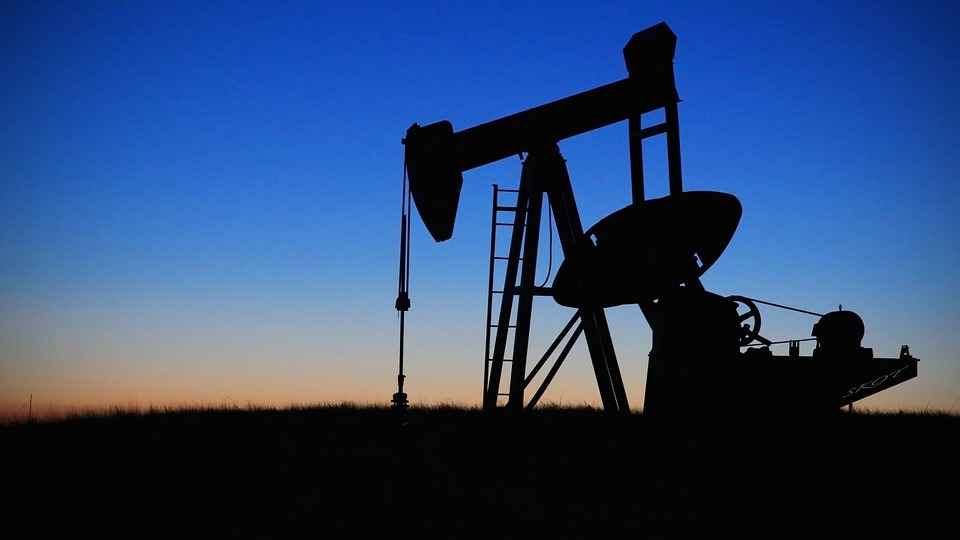
Image Source: Pixabay
Should all the wind farms be forgot and never brought to mind.Should all the solar be put out for days ofauld lang syne.
Say goodbye to 2025, because when we look back at history, we will remember this as the year that President Trump put the U.S. on track for energy dominance, changing not only the landscape for energy but also for geopolitics. The President understands that to lead the world, everything starts with energy. And to lead with energy you must have a strong foreign policy and be able to put pressure on our enemies like Iran in the negotiate with countries from a position of strength.You can say what you want about President Trump, but when it comes to energy, 2025 was the year of Trump in the energy sector.
President Trump’s energy policies centered on American Energy Dominance, with the signature slogan “Drill, Baby, Drill” that really does a disservice to what is one on the more comprehensive energy policies in American History,
President Trump’s energy policies go far beyond drilling; they are designed to drive American prosperity by transforming the nation’s role in global geopolitics and expanding energy exports. This bold strategy positions the United States to meet the rapidly growing energy demands fueled by advancements in artificial intelligence and cutting-edge technology. By leading in these sectors, the administration is paving the way for a brighter economic future, not only for current generations of Americans but for many generations to come.
This is areversal of the lost years of the Biden Administration, during which they demonized fossil fuels and the Americans who produced them, is now being replaced with an embrace of domestic production of fossil fuels (oil, natural gas, and coal), nuclear energy, deregulation, and a reduction in support for renewables like wind and solar. And instead of just throwing money at these type of projects that don’t make economic sense but are more of a virtuous signal paying homage due to the climate change crowd,he’s expanding Production of everything from oil and natural gas but also precious metals and industrial metals that are designed to revitalize our industrial base as well as creating the environment for prosperity you have lower energy prices for the American people.
Unleashing American Energy started on a day one executive order (January 20, 2025) that revoked prior restrictions, promotes exploration on federal lands and waters, expedites permitting, and aims to lower energy costs through increased production.
And in 2025 they delivered. If you want to see the benefits just pull up to your local gas station where we’ve seen the lowest gasoline prices since about 2020.
Because of the environment that President Trump has created in throughout 2025, the United States achieved record-breaking milestones in several major areas of energy production and exports, reflecting the Trump administration’s “American Energy Dominance” strategy, which prioritized increased fossil fuel output and expanded exports.
According to data from the U.S. Energy Information Administration (EIA), dry natural gas production reached unprecedented levels, averaging between 107 and 109 billion cubic feet per day (Bcf/d) during the year—surpassing the previous annual record of approximately 103.6 Bcf/d set in 2023.
This surge was largely driven by strong production in regions such as the Permian Basin, where associated gas from oil extraction and heightened demandcontributed to these highs as US drilling permits under Trump soared.
In addition, U.S. exports of crude oil and petroleum products—including refined fuels like gasoline, diesel, and distillates—also set new records.
Total petroleum exports, measured in energy content, reached about 31 quadrillion BTUs in recent years, with 2025 continuing or even exceeding this trend.
While total crude oil exports remained high, averaging above 4 million barrels per day in recent years, the annual record established in 2024 at roughly 4.1 million barrels per day was not definitively surpassed in 2025.
Nevertheless, robust refining capacity and strong global demand, particularly from Asia and Europe, supported these elevated export levels and cemented the United States’ status as a leading global energy producer and exporter.
In 2025, the United States achieved remarkable momentum in energy exports, with monthly figures reaching multi-year highs—especially driven by soaring demand from Asia. While the annual average for crude oil exports held steady compared to the previous record year, total petroleum-related exports (including both crude and refined products) set new benchmarks.
U.S. liquefied natural gas (LNG) exports were a standout, shattering records with monthly volumes topping 10 million metric tons and annual totals surging to nearly 110 million metric tons—far outpacing prior years.
Overall, America exported more than 30% of its produced energy, strengthening its status as the world’s top oil and natural gas producer and a premier exporter. These impressive results were fueled by booming output in key regions like the Permian Basin, supportive deregulation, and robust global demand from markets in Europe and Asia, illustrating the nation’s dynamic and growing leadership in energy.
President Trumpin 2025 declared a national energy emergency,swinging open the doors for vital projects to get off the ground without the regulatory red tape that’s been choking the sector for years.
Out go the handouts for what he calls “unreliable” green energy, putting the brakes on subsidies that, let’s face it, weren’t delivering the goods or the power.
The administration’s drawing a line in the sand, protecting American energy producers from being undercut by patchwork state restrictions and unleashing the full power of our domestic resources.
But that’s just the start. The real headline? Trump’s team is laser-focused on slashing energy and electricity costs to world-beating lows—not through wishful thinking, but by doubling down on fossil fuels and nuclear.
The vision is bold: catapult the U.S. to the top as the world’s energy export powerhouse, especially in liquefied natural gas (LNG), reinforcing both our economic muscle and our national security.
Nuclear isn’t being left in the dust, either. They’re talking about a jaw-dropping leap to 400 GW of capacity by 2050 with advanced reactors, ensuring America leads this high-stakes race.
And don’t count out coal just yet—Trump’s playbook calls for reviving coal to shore up grid reliability, keeping dispatchable, on-demand power in the mix when it matters most. Layer in sweeping deregulation, and the aim is clear: drive down prices at the pump and on the grid, create a surge of high-paying jobs, and cut the umbilical cord tying us to foreign powers like China and OPEC. If you’re looking for a blueprint for U.S. energy dominance, this is it—straight from the Trump administration’s playbook, with the pedal to the metal.
This administration is putting American fossil fuels and nuclear front and center, turning the tables on years of climate-first policy.
Out go the old green incentives, and in come executive orders, rapid-fire deregulation, and direct council moves—all with one goal: unleash a flood of affordable, American-made energy to fuel prosperity. By the end of 2025, it’s clear—Washington’s playing for keeps, and the playbook is all about energy dominance, not wishful thinking.
Think of the environment that we had when Trump was inaugurated. President Biden had alienated Saudi Arabia he had alienated other members of OPEC he started the Russian Ukraine war under his watch he misused the strategic petroleum reserve for political purposes releasing oil for political purposes and then again before the war in Ukraine, drawing down global supplies
Biden handed Trump an oil market in chaos, reeling from the Ukraine war and Iran’s increasing influence as it backed Hamas and the Houthis. The market was volatile, with prices surging past $75 and threatening $80 due to strong demand and constrained supply, intensified by sanctions and shifting geopolitics. The emergence of AI also began to reshape energy consumption.
Even as ceasefire talks calmed price rallies, the energy market demonstrated remarkable resilience, navigating economic storms and constantly adapting.
In February 2025, oil prices were influenced by delayed tariffs and severe Arctic weather, which drove natural gas prices higher.
President Trump’s proposed tariffs raised concerns about supply disruptions, especially as Venezuela canceled permits and peace talks in Ukraine added to volatility. Key events included falling consumer confidence, Q4 2024 GDP growth of 2.3%, and OPEC delaying production increases. The market traded within ranges, climbing on weather and OPEC news, while natural gas peaked at levels not seen since November 2022. Under Trump’s leadership, the market was marked by “stable instability,” tight supply, and softer economic data. U.S. sanctions disrupted global trade, and Trump’s efforts were credited with pressuring oil prices downward.
March saw heightened geopolitical tensions and tariff discussions. Trump’s threats of secondary sanctions against Russian oil buyers and new auto import tariffs took center stage. Russia paused its energy attacks on Ukraine, Houthi assaults continued, and the USDA reported a 5% increase in corn planting. Oil prices swung with supply constraints and Middle East risks, but dropped as ceasefire prospects emerged. Uncertainty over tariffs dampened demand, while safe-haven buying and strong U.S. exports offered support. The administration’s crackdown on Iranian oil and ongoing geopolitical risks kept markets on edge.
April was defined by intensifying trade wars, with Koch Industries exiting oil trading and the Strategic Petroleum Reserve suffering lasting damage. The U.S. and China paused tariffs, Q1 GDP contracted by 0.3%, and refinery inputs rose to 16.1 million barrels per day. Petroleum markets remained volatile, rebounding on hopes of easing tensions but skittish due to demand concerns. Tariffs and Iranian sanctions complicated global trade, though regulatory improvements offered some relief. Headlines reflected the market’s erratic state, and the press echoed the chaos created by tariff disputes.
In May, oil prices dropped amid oversupply fears. U.S. production hit a record 13.488 million barrels per day, while Moody’s downgraded U.S. credit. Courts overturned reciprocal tariffs, OPEC+ announced production increases, and U.S.-China negotiations stalled. Crude prices rose slightly with a weaker dollar but remained near lows due to weather. Persistent tariff uncertainties, ongoing geopolitical risks, and robust LNG exports shaped the market. Trade deals were praised for reducing price expectations by $10–$20 per barrel, and Trump’s energy policy was credited with keeping gas prices low.
June brought the Israel-Iran “12-day war,” causing oil prices to spike. U.S. strikes on Iranian nuclear sites led to a fragile ceasefire as the USDA reported a 5% increase in corn acreage and Q1 GDP fell 0.5%. OPEC+ raised quotas, and oil surged on fears over the Strait of Hormuz before plummeting post-ceasefire. Geopolitical volatility, Federal Reserve rate holds, and a weakening dollar all played roles. AI and cryptocurrency drove unprecedented U.S. electricity demand, with data centers pushing prices higher. U.S. oil production cushioned the economy against regional threats, and summer gas prices reached four-year lows.
In July, attention shifted to Red Sea attacks and tariff threats. OPEC+ hikes, 3% U.S. GDP growth in Q2, and breakthroughs in Venezuela were significant events. Oil prices rose on Russian supply fears but dipped with inventory builds. Middle East tensions, Federal Reserve inaction, and tight diesel supplies influenced the market, while Trump’s remarks and press coverage focused on low oil prices and major grid investments.
August was marked by ceasefire bets and lingering Russia-Ukraine tensions. Trump’s “peace map” exerted downward pressure on prices, PCE inflation firmed, and refinery inputs dropped to 16.9 million barrels per day. Oil prices recovered on renewed concerns but eased as ceasefire hopes grew. Geopolitical risks, worries about the Federal Reserve’s independence, and surging demand all played key roles.
September saw skepticism about the anticipated oil glut, with OPEC+ announcing quota hikes and Russian refineries facing new targets. The IEA revised its forecasts, and port drone attacks added to instability. Oil prices fluctuated, rising on risks but falling with the prospect of oversupply. Despite ongoing geopolitical escalation, energy inflation was absent, and Brent crude fell slightly to $68.22.
In October, oil prices rose about 2% on higher U.S. demand and supply risks. The U.S. planned to refill its reserves, and AI-driven demand combined with relative geopolitical stability to influence the market. November saw oil drop by more than $2 per barrel as OPEC predicted 2026 supply would meet demand, with oversupply concerns balanced by strong U.S. production.
December ended smoothly, with tanker seizures off Venezuela and easing geopolitical tensions. The Federal Reserve cut rates by 25 basis points, refinery inputs remained at 16.9 million barrels per day, and global inventories increased. Oil rebounded from lows and stabilized, supported by U.S. dominance. Weather volatility, oversupply concerns, and record exports shaped the market as the year closed. In summary, 2025 was a year of U.S. energy achievements amid global uncertainty, with American resilience and adaptability prevailing.
More By This Author:
Iranian Uprising - The Energy Report
Geopolitical Thaw And Weather Whipsaw - The Energy Report
All Is Calm - The Energy Report


Comments
Log in or sign up to join the conversation.