


Image Source: Pexels
The news was certainly dramatic. But financial and commodity markets have shrugged following the news that the US, in a daring raid on Saturday, captured Nicolás Maduro, Venezuela’s president, and brought him to New York to stand trial on drugs and weapons charges.
These are still early days and so the jury’s still out on the macro and geopolitical repercussions in the wake of what some are calling a revival of gunboat diplomacy. As a number of analysts advise, there are several possibilities that may radiate from the US attack on Venezuela, including an eventual regime change in Caracas, emboldening Russia and China to take similar actions in their respective hemispheres, and the collapse of Cuba’s communist government, which has relied on Venezuela’s financial support, to name but a few of the scenarios considered.
For the oil market, the potential for reviving Venezuela’s ailing energy industry suggests a significant ramp up in the country’s output of heavy crude. The stakes, at least on paper, are huge: Analysts estimate that the country has the world’s largest proven reserves.
In the near term, however, it’s unlikely Venezuela’s oil output will rise significantly, according to oil industry executives. Chevron, the only US oil firm still operating in Venezuela, is positioned to be an early beneficiary if the country’s political climate turns favorable for renovating its oil infrastructure, which produces a small fraction of potential output due to mismanagement and corruption.
From the perspective of oil firms in the West, however, an early rush back into Venezuela is unlikely. “The appetite for jumping into Venezuela right now is pretty low. We have no idea what the government there will look like,” an oil-industry source told CNN on Monday.
Meantime, the early reaction in financial and commodity markets to Maduro’s toppling remains muted. Let’s start with the oil market. The price of crude was trending lower before Saturday’s raid, and in the first two trading days following the attack the price slide still looks intact. The US benchmark (West Texas Intermediate) closed just below $57 a barrel on Tuesday (Jan. 6), close to a five-year low.
(Click on image to enlarge)

Crude oil’s technical profile was already bearish before the US raid. To the extent that oil output in Venezuela rises, the news will likely exacerbate downside risk for oil prices.
The potential for opening up vast reserves to Big Oil excited investors on Monday. But the surge in the price of a basket of major oil firms, via the SPDR Energy Select ETF (XLE), reversed on Tuesday, leaving the fund in what still looks like a trading range vs. the last several months.
(Click on image to enlarge)

The US stock market appears unaffected by the Venezuela news, which is to say that equities continue to rally: the SPDR S&P 500 ETF (SPY) closed at a new high on Tuesday.
(Click on image to enlarge)

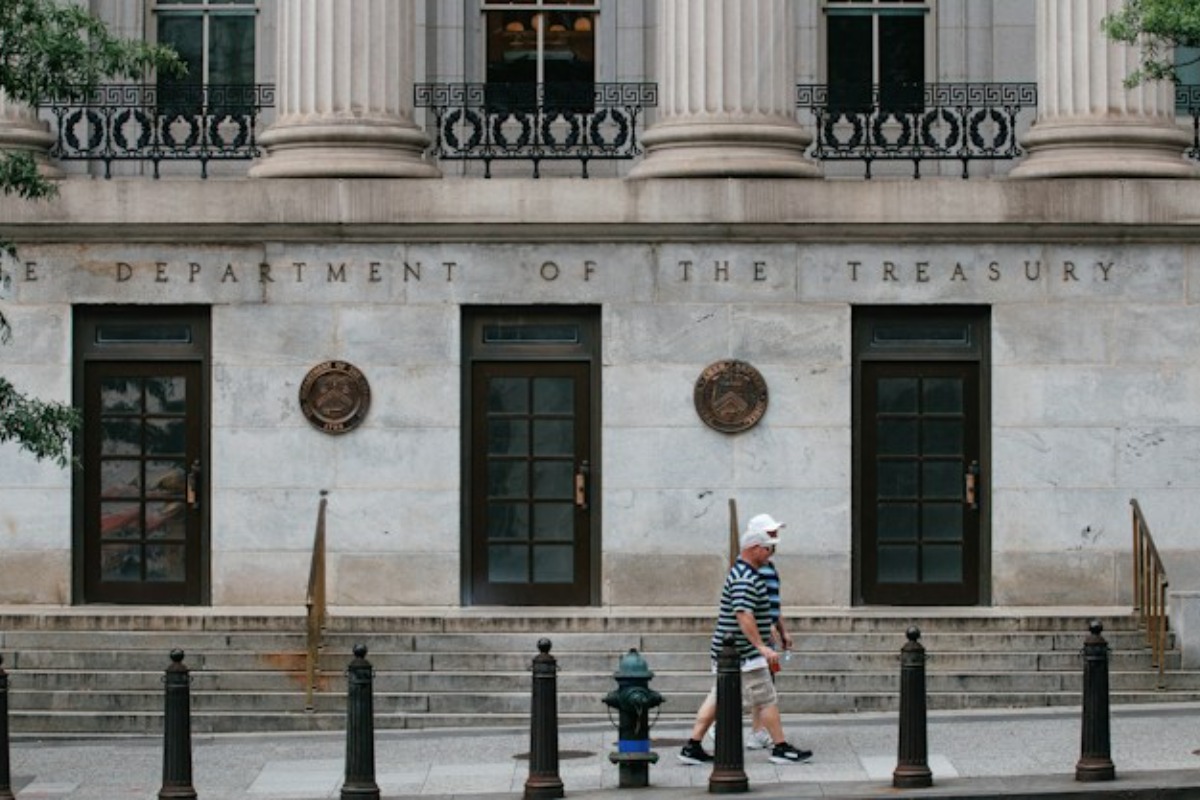
Turning to the bond market, there’s been no obvious impact on Treasury yields. The benchmark 10-year yield, for example, continued to trade at a middling level vs. recent history, ending Tuesday’s trading session at 4.17%.
(Click on image to enlarge)

For now, markets have yawned at the Venezuela news. Although there are significant geopolitical implications linked to the event for the months and years ahead, investors so far are inclined to look through the removal of Maduro as a minor news story with little, if any, effect on expected risk and return.
More By This Author:
US Economy Expected To Cool In Q4, Based On Latest NowcastsTotal Return Forecasts: Major Asset Classes - Monday, Jan. 5
Major Asset Classes December 2025 Performance Review

Comments
Log in or sign up to join the conversation.