
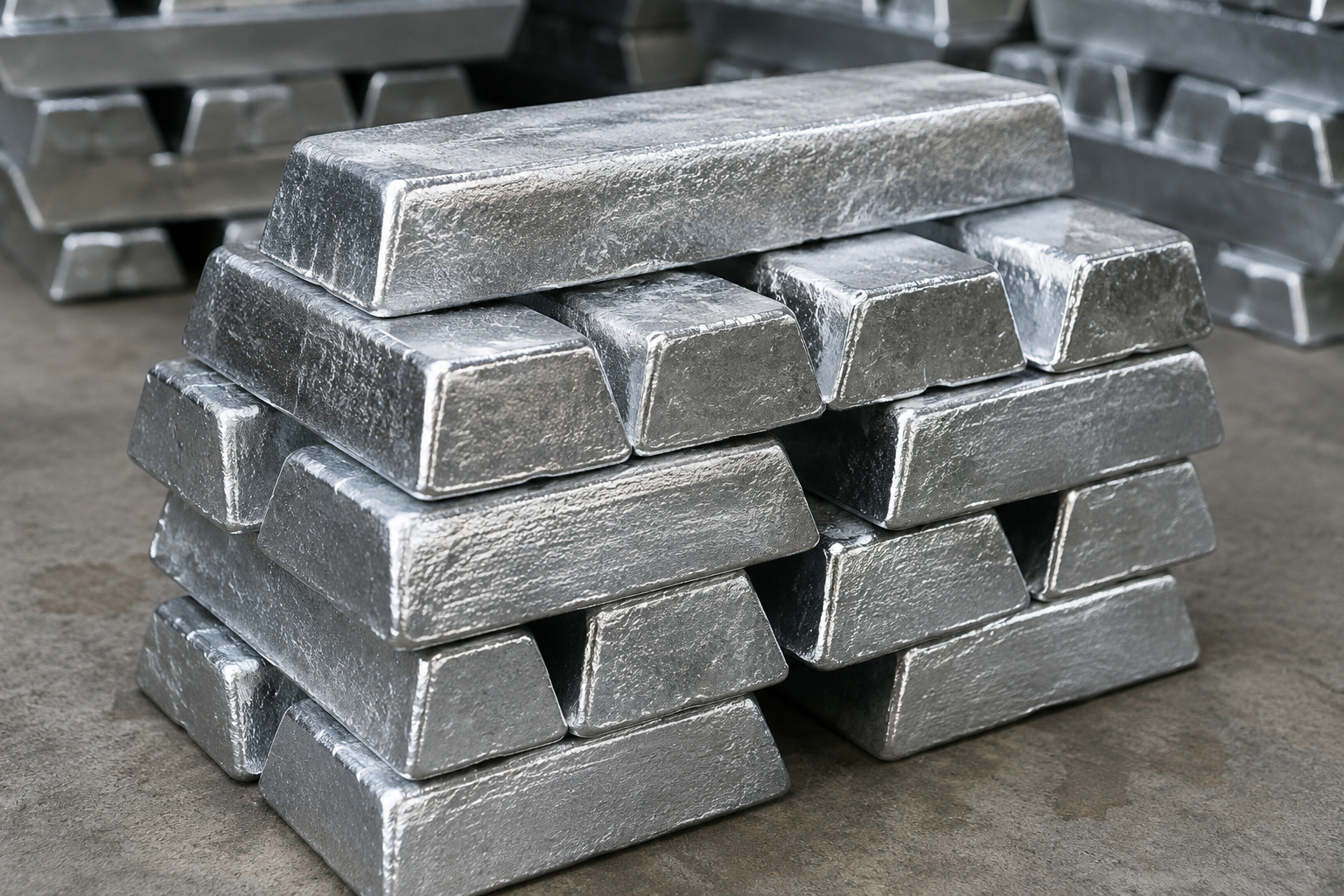
The Zinc Ingot Price Trend is one of the most closely monitored indicators in the global metals industry. Zinc ingots are widely used in galvanizing steel, die casting, battery manufacturing, construction materials, automotive components, and industrial alloys. As demand from these industries continues to evolve, manufacturers, suppliers, traders, and procurement professionals regularly track Zinc Ingot Prices to understand market movements and make informed purchasing decisions.
Like other base metals, prices are influenced by raw material supply, production costs, industrial demand, transportation expenses, inventory levels, and global economic conditions. Understanding these factors helps businesses improve procurement planning and reduce supply chain risks.
👉 👉 👉Please Submit Your Query for Zinc Ingot Price Trend, demand-supply, suppliers, market analysis:https://www.price-watch.ai/book-a-demo/
Industrial Demand Continues to Support Zinc Ingot Prices
Zinc ingots play a vital role in many manufacturing industries. One of the largest applications is steel galvanizing, where zinc provides excellent corrosion resistance and extends the lifespan of steel products. Galvanized steel is widely used in construction, infrastructure, automotive manufacturing, and electrical equipment.
The die-casting industry also consumes large volumes of zinc ingots to manufacture precision components used in automobiles, consumer goods, and engineering products. As industrial production expands worldwide, demand continues to support stable Zinc Ingot Prices across regional and international markets.
Raw Material Availability Influences Market Movement
The Zinc Ingot Price Trend is strongly affected by the availability of zinc ore and mining activity. Mining production depends on geological conditions, environmental regulations, labor availability, weather, and investment in mining operations.
When mining output declines or raw material supply becomes limited, manufacturers often experience higher production costs, which may increase Zinc Ingot Prices. Conversely, stable mining activity and sufficient ore availability help improve market supply and maintain balanced pricing throughout the supply chain.
Production Costs Shape the Zinc Ingot Price Trend
Manufacturing zinc ingots requires smelting, refining, casting, and quality control processes that consume energy and industrial resources. Electricity, fuel, labor, maintenance, and environmental compliance all contribute to production expenses.
When these operating costs increase, manufacturers may adjust Zinc Ingot Prices to maintain profitability. However, improvements in production efficiency, modern technology, and better resource management help reduce operational costs while supporting consistent product quality and market competitiveness.
Energy and Logistics Affect Supply Chains
Energy costs remain an important factor in zinc production because smelting and refining require continuous electricity and fuel supplies. Rising energy prices increase manufacturing expenses and can influence the overall Zinc Ingot Price Trend.
Transportation also plays a significant role in maintaining smooth market operations. Raw materials must move from mines to processing facilities before finished zinc ingots reach industrial customers. Freight rates, fuel costs, shipping schedules, and port operations all affect product availability. Efficient logistics support stable Zinc Ingot Prices, while transportation disruptions may temporarily create supply challenges.
Construction and Automotive Industries Drive Demand
The construction industry remains one of the largest consumers of zinc because galvanized steel is widely used in buildings, bridges, roofing systems, and infrastructure projects. Growing urbanization and infrastructure development continue to support long-term demand.
The automotive industry also depends on zinc-coated steel to improve vehicle durability and corrosion resistance. In addition, zinc ingots are used in batteries, hardware, machinery, and consumer products. These diverse applications contribute to a healthy Zinc Ingot Price Trend and support consistent market growth.
Inventory Levels Influence Buying Activity
Inventory management is an important factor affecting market conditions. Manufacturers, distributors, and industrial buyers carefully monitor stock levels before making purchasing decisions.
When inventories remain low and demand increases, buyers often compete for available material, supporting stronger Zinc Ingot Prices. On the other hand, higher inventories combined with slower industrial demand may create balanced market conditions and moderate price fluctuations. Effective inventory planning helps businesses manage costs and reduce procurement risks.
Global Trade Conditions Influence Zinc Ingot Prices
International trade has a major impact on the zinc market. Import-export regulations, currency exchange rates, shipping costs, and geopolitical developments all influence global supply chains.
Stable trade conditions generally support reliable product movement and balanced Zinc Ingot Prices. However, changes in international trade policies or logistics disruptions may temporarily affect supply and create market uncertainty. Businesses regularly monitor these developments to improve procurement strategies and maintain supply chain stability.
Technology and Sustainability Support Future Growth
Manufacturers continue investing in cleaner production technologies, recycling systems, and energy-efficient operations to improve sustainability. Zinc recycling has become increasingly important because recycled zinc helps conserve natural resources while reducing production costs.
Technological advancements in galvanizing, die casting, and industrial manufacturing are expected to support future demand. These innovations improve product quality, strengthen supply chains, and contribute to long-term market growth.
Future Outlook for the Zinc Ingot Price Trend
The long-term outlook for the Zinc Ingot Price Trend remains positive due to growing demand from construction, automotive, infrastructure, and industrial manufacturing sectors. Future market performance will continue to depend on mining activity, production costs, logistics, industrial demand, and overall economic conditions. Companies that regularly monitor Zinc Ingot Prices can make informed purchasing decisions, improve inventory planning, and respond more effectively to changing market conditions.
Conclusion
The Zinc Ingot Price Trend reflects the combined influence of raw material availability, industrial demand, production costs, logistics, inventory management, and international trade. Monitoring Zinc Ingot Prices helps manufacturers, suppliers, traders, and procurement professionals optimize procurement strategies while improving supply chain planning. Although short-term market fluctuations are common in commodity markets, continued demand from construction, automotive, and manufacturing industries is expected to support the long-term importance of zinc ingots in the global industrial market.
👉 👉 👉Please Submit Your Query for Zinc Ingot Price Trend, demand-supply, suppliers, market analysis:https://www.price-watch.ai/book-a-demo/
About Price Watch™ AI
Price-Watch AI is an India-based, independent raw material price reporting agency that provides real-time price forecasts and data-driven insights into global raw material markets. Price-Watch AI specializes in tracking raw material prices, analyzing market trends, and delivering timely updates on plant shutdowns, supply disruptions, capacity expansions, and demand-supply dynamics. The Price-Watch AI platform empowers manufacturers, traders, and procurement professionals to make faster, smarter decisions. Leveraging AI-powered forecasting and over a decade of historical data, Price-Watch AI transforms market volatility into actionable opportunity.
Futura Tech Park,
C Block, 8th floor 334,
Old Mahabalipuram Road,
Sholinganallur, Chennai,
Tamil Nadu, Pincode - 600119.
LinkedIn: https://www.linkedin.com/company/price-watch-ai/
Facebook: https://www.facebook.com/people/Price-Watch/61568490385598/
Twitter: https://x.com/pricewatchai
Website: https://www.price-watch.ai/
Comments
Log in or sign up to join the conversation.