

Canada continues to be an attractive destination for people around the world who want to build a career, pursue higher education, reunite with family, or establish a long-term future. From skilled workers and international students to families and professionals, there are different immigration pathways that may help eligible individuals achieve their Canadian goals.
However, choosing the right pathway requires careful planning. Applicants should understand their options, review eligibility requirements, prepare the necessary documents, and keep up with current immigration rules. For individuals seeking professional guidance, immigration consultants Edmonton can provide support throughout different stages of the immigration journey.
Start by Defining Your Canadian Goal
Before choosing an immigration program, think about what you want to achieve in Canada. Are you interested in permanent residence, studying at a Canadian institution, gaining Canadian work experience, or temporarily working in Canada?
Your objective can influence which pathway you should explore. Someone with several years of skilled work experience may have different options from an international student or a person seeking family sponsorship.
Canada's official immigration resources provide pathways for people who want to work, study, visit, or live permanently in the country.
Work Opportunities in Canada
Canada offers different types of work permits for eligible foreign nationals. Depending on the circumstances, workers may apply for an employer-specific work permit or an open work permit.
An employer-specific work permit generally identifies the employer and conditions under which the person can work, while an open work permit may allow eligible individuals to work for different employers. Eligibility depends on the applicant's situation and the specific program or exemption involved.
For skilled professionals, Canadian work experience may also become relevant when exploring certain permanent residence programs. Therefore, applicants who are considering employment in Canada should think about both their immediate work goals and their longer-term immigration plans.
Studying in Canada
International education is another pathway that attracts applicants from many countries. Students can explore eligible Canadian educational institutions and programs before applying for the appropriate study authorization.
Choosing a program should involve more than considering the course itself. Students should research the institution, program requirements, tuition, living expenses, location, and whether the program may provide relevant opportunities after graduation.
Eligible international students may be able to work while studying, subject to the conditions of their authorization. Canada also provides information about post-graduation work opportunities for eligible graduates.
Recent changes also mean that eligible post-secondary international students generally do not need a separate co-op work permit for required student work placements such as internships and co-op placements as of April 1, 2026.
Because policies can change, students should always verify current requirements before making educational or immigration decisions.
Exploring Permanent Residence
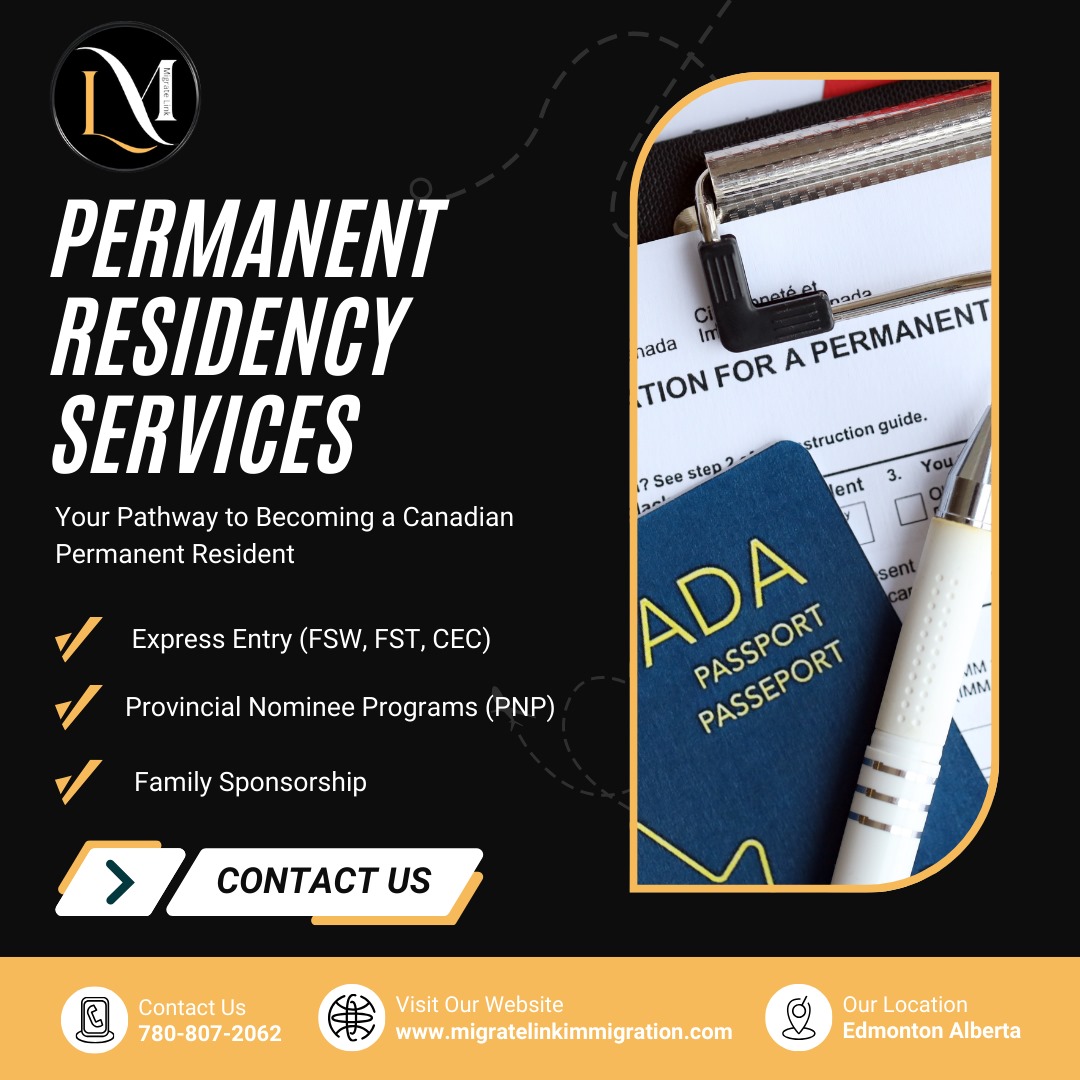
For many newcomers, permanent residence is the ultimate goal. Canada provides several permanent residence pathways, including Express Entry, Provincial Nominee Programs, family sponsorship, and regional programs.
Express Entry is an important system for managing applications from eligible skilled workers. A candidate's profile may be assessed using factors such as skills, education, work experience, language ability, and other applicable criteria.
Provincial Nominee Programs can also be important for applicants whose skills and circumstances align with the needs of a particular province or territory.
The best pathway depends on the individual's qualifications and circumstances. There is no single immigration program that is suitable for every applicant.
From Study or Work to Permanent Residence
Some people may begin their Canadian journey as international students or temporary workers and later explore permanent residence options.
For example, an eligible international student may complete a qualifying program, obtain appropriate work authorization after graduation, gain Canadian work experience, and potentially explore permanent residence programs for which they qualify.
However, completing a Canadian program or working in Canada does not automatically guarantee permanent residence. Applicants must meet the eligibility criteria of the relevant immigration program at the time they apply.
This is why long-term planning is valuable. Students and workers should understand how their education, occupation, language skills, and Canadian experience may fit into potential future pathways.
Consider Provincial Opportunities
Canada's provinces and territories have different economic needs and immigration priorities. Provincial nomination pathways can therefore offer opportunities for eligible applicants who meet the requirements of a particular stream.
If you are considering Alberta as your future home, researching Alberta-specific immigration options can be an important part of your planning. Immigration consultants Edmonton Alberta can help applicants understand the differences between potential federal and provincial pathways and identify which requirements they should investigate.
Applicants should always verify the latest program status and eligibility requirements because immigration programs can change, open, close, or be updated over time.
Prepare Your Documents Carefully
Regardless of the pathway, documentation plays a major role in the immigration process. Applicants may need educational credentials, employment records, language test results, identification documents, proof of funds, police certificates, medical examinations, and other supporting evidence.
Start preparing documents early and ensure that all information is accurate and consistent. Differences between application forms and supporting documents can create unnecessary complications.
Applicants should also keep copies of submitted documents and important correspondence so they can maintain an organized record of their immigration journey.
Why Professional Guidance Can Help
Canadian immigration can involve detailed eligibility requirements, application forms, documentation, and changing policies. Understanding your options before applying can help you make better-informed decisions.
Experienced immigration consultants Edmonton can help applicants understand potential pathways, identify documentation requirements, and organize their application strategy according to their circumstances.
Professional guidance can be particularly useful when an applicant is considering multiple pathways or has questions about education, employment, provincial programs, or permanent residence.
Plan for Life Beyond Immigration Approval
Your Canadian journey does not end when you receive approval. Planning for settlement is equally important.
Before arriving, consider accommodation, transportation, employment, education, healthcare, banking, living expenses, and other practical matters. If you are moving with family, research schools, housing, community resources, and employment opportunities for accompanying family members.
A well-prepared settlement plan can make your transition to Canadian life smoother.
Begin Your Canadian Journey with MigrateLink Immigration
Choosing the right immigration pathway is an important decision. Whether your goal is to work, study, or eventually pursue permanent residence, understanding your options can help you create a more informed plan.
MigrateLink Immigration provides immigration guidance for individuals exploring Canadian opportunities. If you want to learn more about possible immigration pathways and the application process, contact the team for assistance.
Website: www.migratelinkimmigration.com
Phone: 780-807-2062
Email: [email protected]
Conclusion
Canada offers diverse opportunities for eligible international applicants, including pathways related to work, study, and permanent residence. The most suitable option depends on your education, experience, language ability, financial circumstances, family situation, and long-term objectives.
Before applying, research the available programs, check current eligibility requirements, prepare accurate documents, and consider how your short-term plans could support your long-term goals.
With informed planning and appropriate professional guidance from immigration consultants Edmonton Alberta, you can take meaningful steps toward your next chapter in Canada.
Your Canadian future starts with understanding your options. Explore your pathway carefully, prepare confidently, and take the next step toward your goals.
Comments
Log in or sign up to join the conversation.