

Introduction
According to TechSci Research report, “Global Wireless Charging Market - Industry Size, Share, Trends, Competition Forecast & Opportunities, 2021-2031”, The Global Wireless Charging Market will grow from USD 30.11 Billion in 2025 to USD 109.88 Billion by 2031 at a 24.08% CAGR.
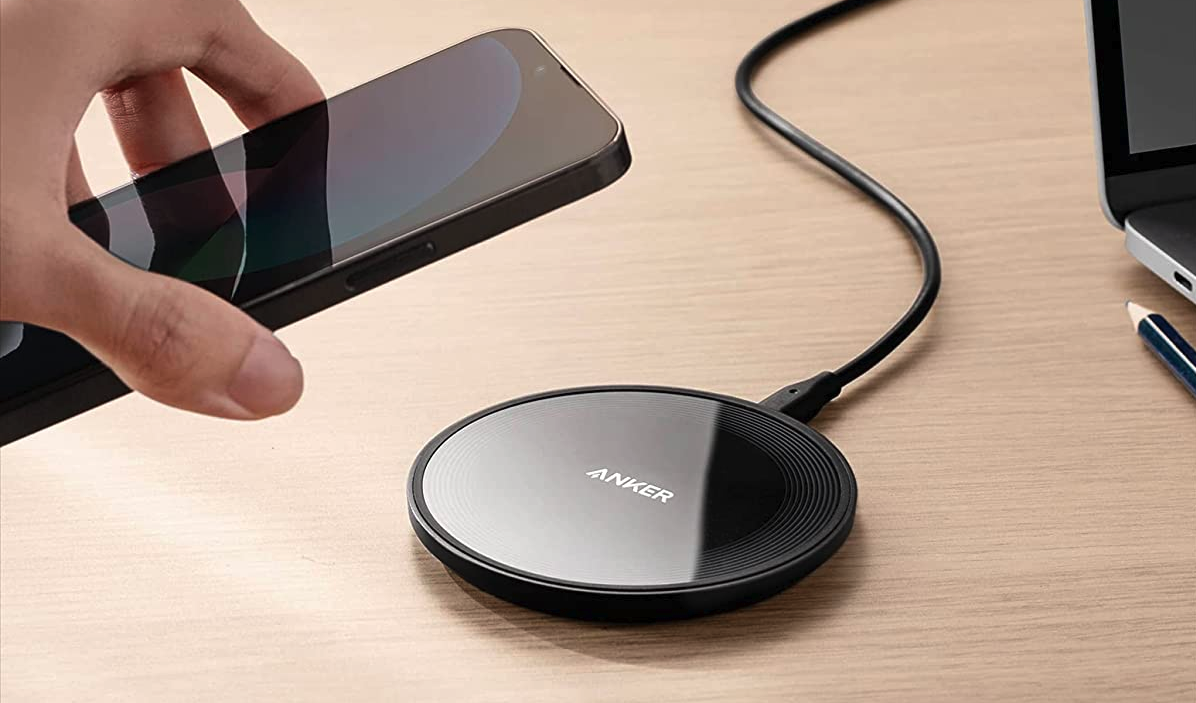
Growing digital lifestyles, rising smartphone penetration, increasing adoption of wearable devices, and expanding electric vehicle ecosystems are creating unprecedented demand for convenient charging technologies. Consumers increasingly prefer clutter-free environments, while enterprises seek automated charging systems that reduce maintenance costs and improve operational efficiency.
Unlike conventional wired charging, wireless charging eliminates connectors and physical cables, offering greater convenience, improved device durability, enhanced user experience, and reduced electronic waste. Continuous innovation in charging standards, improvements in power transfer efficiency, and broader compatibility across devices are making wireless charging an essential component of next-generation electronics.
The technology has moved well beyond smartphones. Today, manufacturers are integrating wireless charging into smartwatches, earbuds, tablets, laptops, autonomous robots, medical devices, warehouse automation systems, hospitality infrastructure, furniture, public transportation, and electric vehicles. As digital transformation accelerates worldwide, wireless charging is expected to become a standard feature across multiple industries.
Request For Sample Copy of Report For More Detailed Market insight
Industry Key Highlights
Market projected to reach USD 109.88 Billion by 2031
Strong CAGR of 24.08% during the forecast period
Rising adoption across consumer electronics and automotive industries
Growing deployment in healthcare and industrial applications
Increasing popularity of Qi wireless charging standards
Expansion of electric vehicle wireless charging infrastructure
Continuous innovation in charging speed and efficiency
Growing investment in multi-device charging solutions
Increased focus on sustainable and cable-free charging ecosystems
Strong opportunities in smart homes and IoT-enabled environments
Main Drivers & Trends
Growing Demand for Consumer Electronics
The rapid expansion of smartphones, wearable devices, wireless earbuds, tablets, gaming accessories, and portable electronics remains the largest contributor to wireless charging adoption.
Consumers increasingly seek charging solutions that simplify daily life by reducing dependence on cables. Manufacturers continue integrating wireless charging into flagship and mid-range devices, making the technology accessible to a broader customer base.
The emergence of premium smartphones with fast wireless charging capabilities has further accelerated market growth. Consumers now expect wireless charging as a standard feature rather than a luxury.
Expansion of Electric Vehicles
Electric mobility is creating substantial opportunities for wireless charging technology.
Automakers are actively exploring wireless charging systems that allow vehicles to recharge automatically without requiring physical cables. Such systems improve convenience while supporting autonomous vehicle ecosystems and smart transportation infrastructure.
Wireless charging also minimizes wear on connectors and enhances user safety by eliminating manual cable handling. As EV adoption accelerates globally, investment in wireless charging infrastructure is expected to increase significantly.
Increasing Adoption Across Healthcare
Healthcare organizations increasingly require reliable, hygienic, and maintenance-free power solutions.
Wireless charging enables continuous operation of:
Patient monitoring devices
Wearable medical equipment
Implantable devices
Mobile diagnostic equipment
Smart healthcare sensors
Because there are fewer exposed connectors, wireless charging also helps reduce contamination risks in clinical environments while improving equipment reliability.
Growth of Smart Homes
Modern smart homes increasingly incorporate connected devices that require frequent charging.
Wireless charging is being integrated into:
Smart furniture
Kitchen countertops
Office desks
Bedside tables
Automotive interiors
These embedded charging surfaces provide seamless user experiences while supporting expanding IoT ecosystems.
Hospitality Industry Adoption
Hotels, airports, restaurants, cafés, and commercial facilities continue deploying wireless charging stations to improve customer convenience.
Providing accessible charging options enhances guest satisfaction and supports premium customer experiences. Businesses increasingly view wireless charging as an important value-added service for digitally connected consumers.
Emerging Trends
Faster Wireless Charging Technologies
Manufacturers continue improving charging speeds to reduce the performance gap between wired and wireless charging.
Next-generation systems offer higher power output while maintaining efficiency and safety, enabling consumers to charge devices more quickly than previous generations.
Multi-Device Charging Platforms
Modern households often own multiple connected devices.
Manufacturers are responding by developing charging stations capable of simultaneously powering smartphones, earbuds, smartwatches, tablets, and other accessories from a single platform.
These products improve convenience while reducing workspace clutter.
Growing Adoption of Qi Standards
Standardization has become a major growth catalyst.
The widespread adoption of Qi-compatible charging systems ensures interoperability among devices from different manufacturers, increasing consumer confidence and encouraging broader market adoption.
Wireless Charging for Industrial Automation
Industrial facilities increasingly deploy wireless charging for:
Autonomous mobile robots
Warehouse automation systems
Drones
Industrial sensors
Internet of Things devices
These solutions reduce downtime, eliminate manual battery replacement, and improve operational efficiency.
Integration with Smart Mobility
Future transportation systems are expected to incorporate embedded wireless charging infrastructure.
Parking facilities, taxi stands, logistics hubs, and public transportation systems are exploring automated charging technologies that improve operational efficiency while supporting electric mobility.
10 Benefits of the Research Report
Provides comprehensive analysis of current market trends.
Offers detailed market size and long-term growth forecasts.
Identifies major growth drivers and emerging opportunities.
Examines key challenges and potential investment risks.
Delivers competitive landscape and company benchmarking.
Analyzes regional market performance and future prospects.
Covers technological innovations shaping the industry.
Supports strategic business planning and investment decisions.
Highlights evolving customer demand and adoption patterns.
Helps stakeholders identify high-growth market segments.
Major companies operating in Global Wireless Charging Market are:
Samsung Electronics Co., Ltd.
Apple Inc.
Qualcomm Incorporated
Powermat Technologies Ltd.
WiTricity Corporation
Energous Corporation
Integrated Device Technology, Inc.
Texas Instruments Incorporated
NXP Semiconductors N.V.
Murata Manufacturing Co., Ltd.
Customers can also request for 10% free customization on this report.
Frequently Asked Questions (FAQs)
Q1. What is driving the growth of the Global Data Center Cooling Market?
The market is primarily driven by increasing cloud adoption, hyperscale data center expansion, AI workloads, higher server densities, sustainability initiatives, and the growing need for energy-efficient cooling infrastructure.
Q2. Which cooling technologies are gaining the highest adoption?
Liquid cooling technologies—including direct-to-chip cooling and immersion cooling—are witnessing rapid adoption due to their superior efficiency in handling high-performance computing environments.
Q3. Which regions are expected to witness significant growth?
North America continues to lead the market, while Asia-Pacific is expected to record the fastest growth owing to increasing investments in hyperscale facilities, cloud infrastructure, and digital transformation projects.
Q4. What opportunities will shape the market over the coming years?
AI-powered cooling management, sustainable cooling systems, modular data centers, renewable energy integration, edge computing infrastructure, and intelligent thermal optimization are expected to create substantial growth opportunities for market participants.
Contact US:
Techsci Research LLC
420 Lexington Avenue, Suite 300,
New York, United States- 10170
Tel: +13322586602
Email: [email protected]
Comments
Log in or sign up to join the conversation.