

When it comes to combine harvester performance, one of the most critical components is the threshing cylinder. Within this structure, the rasp bar plays an equally vital role. It is often the first choice for farmers, dealers, and suppliers when looking for spare parts. By browsing through a detailed rasp bar catalogue, these professionals are better able to make informed decisions about their purchases. In this guide, we will highlight valuable information on this component, including its types, application, and how to choose the right supplier by exploring their catalogues. We will also discuss the significance of a well-designed rasp bar catalogue in this industry.
What Is a Rasp Bar and What Makes It Essential?
A Rasp bar is a vital component of a combine harvester. It is affixed to the threshing cylinder and is responsible for rubbing and beating the material being threshed. In addition, the bar prevents the grain from escaping by the side of the combine harvester. As a result, faulty rasp bars lead to lower grain yields and damage to other components due to excessive stress.
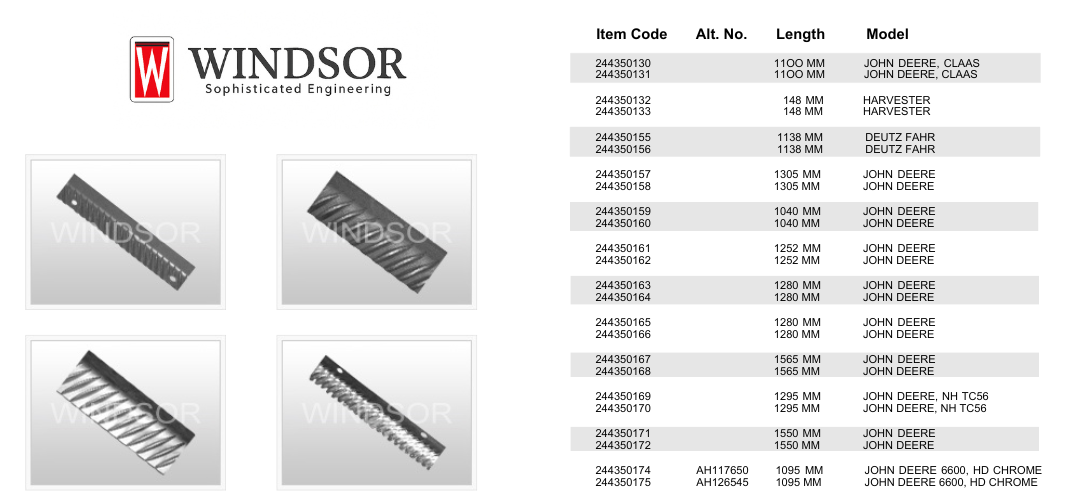
Typically, a rasp bar catalogue will note the variations in profile and teeth based on the combine harvester model and the type of crop that it will be used to thresh. These details are critical in ensuring that the buyer selects the most appropriate bar.
Why a Detailed Rasp Bar Catalogue Is Important
When selecting the wrong type of rasp bar, a farmer or dealer runs the risk of compromising the performance of a combine harvester. In addition, this component may require more frequent maintenance, which translates to higher costs. A well-designed catalogue will provide the essential specifications, including the product’s variants, length, and pattern. In addition, it should also note the compatibility with different combine harvester models and provide images. At Windsor, our catalogues are designed with this information to help you make the best choice when purchasing our products.
Types of Rasp Bars You Can Find in a Catalogue
Based on a rasp bar catalogue, there are four main types of rasp bars, namely:
• Standard rasp bars: These are the most common type of rasp bars and are compatible with most combine harvesters
• Angled rasp bars: This design is best for use in combination with high-volume crops
• Spike-tooth rasp bars: This option is best for crops with a thick stem
• Heavy-duty rasp bars: Ideal for continuous use in high-volume threshing
How to Choose the Right Rasp Bar From a Catalogue
When choosing the most appropriate rasp bar from a catalogue, the following considerations should guide your decision:
Combine Harvester Compatibility
Always check the compatibility of the bar with your combine harvester by cross-referencing the catalogue number provided in the catalogue with the one that comes with your machine.
Quality of the Material Used
The quality of the material used to manufacture the bar determines its overall performance, including its ability to resist bending. A high tensile strength of the material also enhances its resistance to impact, thereby increasing its lifespan.
The Type of Crops to be Threshed
The type and volume of crops to be threshed using the combine harvester also influence the choice of the rasp bar. Higher volumes of dense crops require more robust bars, such as the spike-tooth type, which can withstand the constant force of impact.
Supplier Reputation
The reputation of the chosen supplier plays a critical role in determining the overall quality of the component. It is advisable to opt for a reputable company with extensive research on the component. At Windsor, we offer a wide range of rasp bars, including the standard, angled, and heavy-duty type, manufactured using high tensile material. In addition, each product that we offer comes with a quality guarantee, ensuring that it adheres to the highest manufacturing standards.
Bulk Discounts and Availability
If a dealer or farmer is considering buying in bulk, it is advisable to ascertain the availability of discounts. A well-designed catalogue will have information on the pricing structure, which helps the buyer make an informed decision.
The Benefits of a Trustworthy Supplier’s Catalogue
A supplier with a wide range of products and extensive research on the component and market requirements will offer a catalogue with a detailed specification of the product. For the buyer, this translates to greater ease when purchasing and better adherence to the intended use of the component. The combination of these benefits ultimately enhances the profitability of the business.
Final Thoughts
A trustworthy supplier’s catalogue is an invaluable resource for farmers and dealers. In a nutshell, this guide provides a comprehensive overview of the main variants of the rasp bar, as well as the main considerations when buying the component. Ensuring that the combine harvester is equipped with the most appropriate rasp bar enhances its overall performance. By browsing through a catalogue, a buyer is better able to compare the variants and make the most suitable choice. At Windsor, we offer a wide range of rasp bars of varying types and sizes. As a result, our customers can find the most appropriate option for their combine harvesters. For the best results, we advise that you browse through our comprehensive rasp bar catalogue.
Comments
Log in or sign up to join the conversation.