

In the past five years, soda has become less and less of a mainstay in American society. The volume of soda consumed has dropped 1% to 3% per year every year during that time. Diet soda has seen the worst of it, losing 2.5% to 6% annually during that time.
“The number one fixation on food companies’ minds is ‘clean label’: natural ingredients and shorter ingredient lists that look like you made it at home,” says Lu Ann Williams of Innova Market Insights, which tracks food-product introductions. “Consumers do not use high fructose corn syrup at home.”
So what are beverage companies doing? Giving the customers what they want. Last week, PepsiCo (PEP) launched a new brand, 1893. The brand includes original cola and a ginger cola flavors and appeals to source-conscious consumers, including ingredients like kola nut extract and certified fair trade sugar.
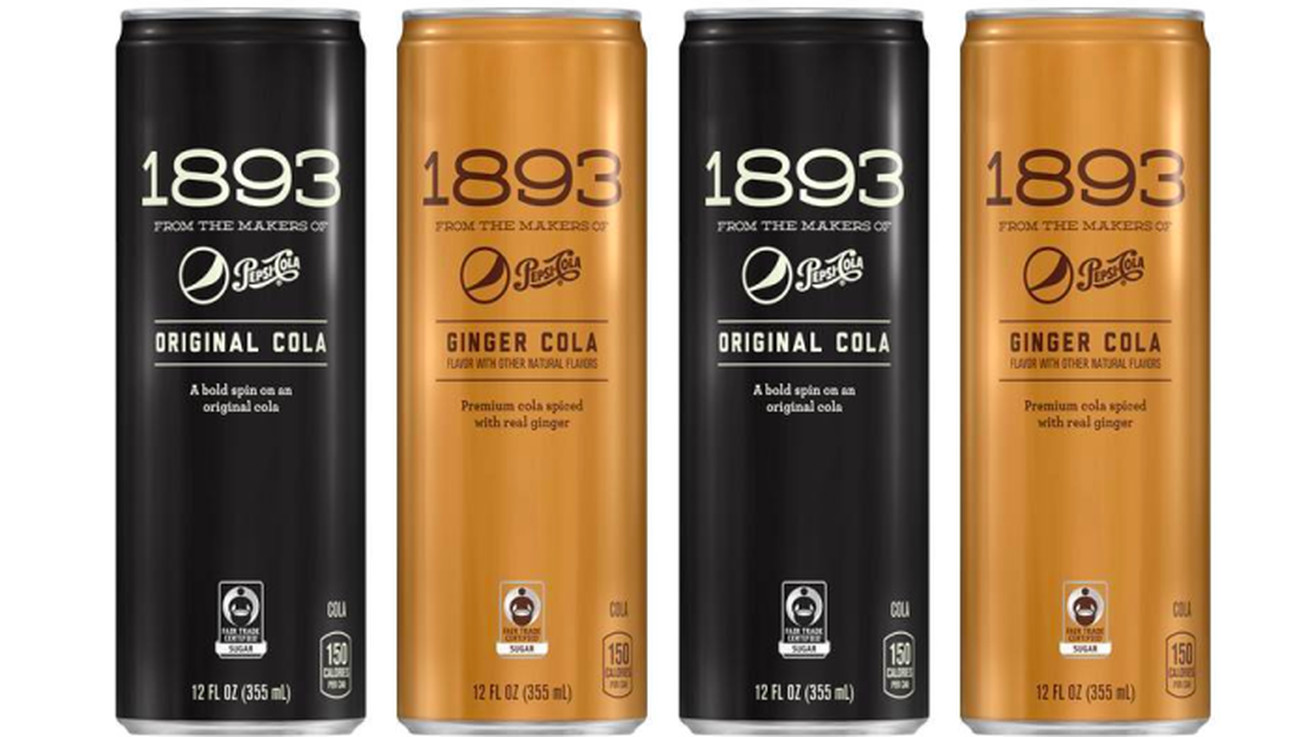
(As a side note, another ingredient is sparkling water, which is the exact same thing as carbonated water found in its flagship product. But hey, why not try a little marketing to help push it along?)
This isn’t PepsiCo’s first so-called craft soda. The company launched Caleb’s Kola, also made with real sugar, in 2014. It also launched Stubborn soda in 2015, a line for restaurants, sweetened with sugar.
Of course, none of this means it’s healthy. But for people who are going to drink soda anyway, and for people who have dropped the beverages because of the massive ingredients list, these new lines could be enough to recapture their attention.
The one thing that may turn customers off, however, is the price point. The new 1893 line, for example, retails at 15 cents per ounce, compared with 9 cents per ounce for regular Pepsi. As such, it wouldn’t surprise me if people were to spend almost double every once in a while as a treat. I’ve certainly done it with similar brands like PepsiCo’s Mountain Dew line Dewshine. But is it good enough for customers to want to pay extra often enough?
The other concern is cannibalization. Even if 1893 and these other “craft soda” brands become popular enough, how many drinkers will be giving up Pepsi and other PepsiCo brands to drink them? It’s impossible to say now, but it’s definitely something for investors to be concerned about.
That’s not to say PepsiCo is doomed. Yes, the soda industry has struggled in generally recently, but the company has its hand in a long list of brands, including ones that rival its flagship ones. Gatorade, Tropicana, Lipton and Aquafina are just four. Its also owns Quaker Oats, which has a pretty strong position in the health food market.
That said, I’m skeptical about craft soda being the answer to PepsiCo’s beverage problems. To be sure, it’s a nice complement to what it already offers, but things probably would have gone better over the long run if it had kept real sugar as its sweetener from the beginning rather than switching to the less expensive high fructose corn syrup.


Comments
Log in or sign up to join the conversation.