

Few experiences bring you closer to nature than fieldwork spent protecting species that need it most. This guide covers what a wildlife conservation volunteer placement involves, the skills it builds, and the difference it makes on the ground.
Meaningful Wildlife Conservation Projects Across Diverse Natural Habitats
Conservation work spans everything from dense rainforest to open ocean. Each habitat brings its own challenges and its own rewards for volunteers willing to get stuck in.
● Forest and Rainforest Conservation
Forest projects can involve planting trees, clearing invasive species, and monitoring wildlife corridors in protected forest reserves. In addition, volunteer work involves the restoration of degraded land, where native flora and fauna can naturally recuperate.
● Marine and Coastal Wildlife Protection
Along the coast, volunteers might patrol nesting beaches, track turtle hatchlings or support local marine research teams directly. Additionally, this work often includes beach clean-ups, since plastic waste remains one of the largest threats facing coastal wildlife today.
● Sanctuary and Rescue Centre Support
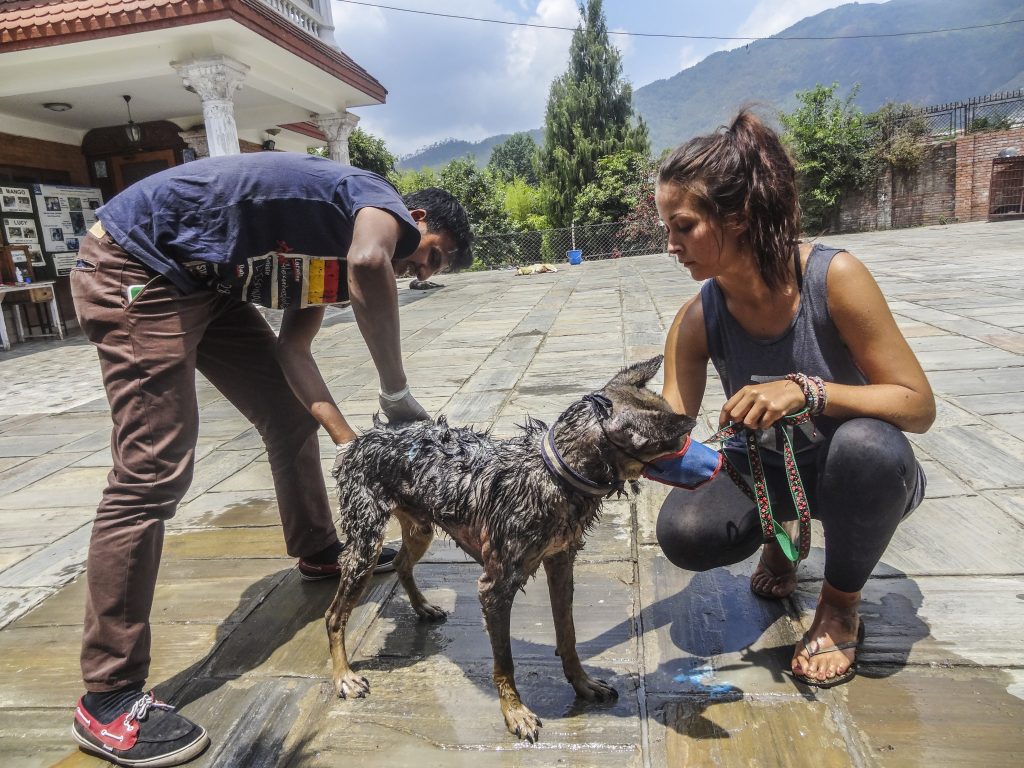
An animal rescue volunteer placement usually centres on feeding, cleaning and rehabilitating animals recovering from injury or captivity. Ultimately, this hands-on care gives volunteers a close, genuine understanding of what real recovery actually looks like.
Essential Skills You Can Develop Through Wildlife Conservation Volunteering
Beyond the fieldwork itself, every wildlife conservation volunteer placement builds skills that stretch well past conservation alone. Many of these lessons carry over into study, careers and everyday life afterwards.
● Wildlife Observation and Data Collection
Volunteers learn to track animal movement, record behaviour and log sightings accurately during regular field surveys. Consequently, this builds a genuine understanding of research methods used widely across ecology and conservation science. Eventually, these observation skills will help build patience, attentiveness, and scientific thinking.
● Environmental Awareness and Sustainability Practices
Working with conservation groups will introduce one to practical problems like habitat destruction, poaching, and climate change. In addition, many projects teach practical sustainable habits, from waste reduction to responsible land and water use. As a result, volunteers often return home with an awareness that quietly shapes choices well beyond the trip.
● Teamwork and Outdoor Field Experience
Volunteers work closely with local rangers, researchers and fellow travellers throughout genuinely demanding outdoor days. Furthermore, physical fieldwork under sun, rain or humidity builds real resilience and adaptability fairly quickly. Together, these experiences strengthen teamwork skills that translate naturally into future study or workplace settings.
Creating a Lasting Impact on Wildlife and Local Communities
Conservation volunteering rarely just helps the animals; the people living alongside them feel it too. Demand keeps growing, and the numbers back that up: the global wildlife tourism sector sits at USD 205.7 billion in 2026 and is on track for USD 380.9 billion by 2033. Long after the volunteers pack up and fly home, that quiet ripple effect tends to stick around.
For travellers ready to work alongside nature rather than simply observe it, TRU Experience Travel offers well-supported placements across Africa, Asia and Latin America, connecting volunteers with projects that genuinely protect wildlife.
Comments
Log in or sign up to join the conversation.