
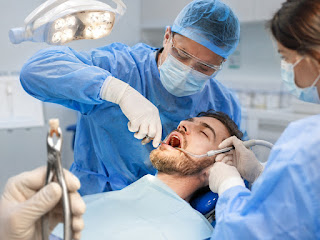
Wisdom teeth arrive later than the rest, usually between the late teens & early twenties, at a point when the jaw has already finished growing. That timing is part of the problem. There's rarely enough space left for them, which is why so many people end up needing help managing these last four molars.
The Space Problem
Human jaws have shrunk over generations, largely due to changes in diet & chewing habits, but wisdom teeth never got the memo. They still try to erupt the same way molars always have, except now they're squeezing into a jaw that's often too small to fit them. The result is impaction, teeth growing sideways or only partially breaking through the gum. Experience relief with expert wisdom teeth removal in Whyalla-learn more!
What Happens When They're Ignored
A partially erupted molar creates a pocket where food & bacteria collect & stay put. Brushing & flossing can't fully reach that area, so decay as well as gum inflammation build up quietly. Many patients don't feel anything alarming until the nearby tooth is already affected. This is one of the main reasons dentists bring up third molar surgery well before serious pain sets in.
Effects Beyond the Mouth
The discomfort from impacted wisdom teeth doesn't always stay local. Jaw tightness, trouble opening the mouth fully & even recurring headaches are common complaints that trace back to pressure from these molars. Patients are often surprised to learn their headaches have a dental cause at all.
Keeping Prior Dental Work Intact
For anyone who has straightened their teeth with braces or aligners, wisdom teeth pose a quiet threat. The pressure they create can gradually crowd front teeth, undoing years of alignment work. Removing problem molars early protects that investment.
Where Dentistry Is Heading
The bigger shift in modern practice is timing. Rather than waiting for pain or infection, dentists increasingly recommend evaluating wisdom teeth through X-rays in the late teens. Catching issues early means simpler procedures, faster healing & fewer complications, since younger jawbone tissue responds better to treatment than it does later in life.
Third molar surgery isn't just a reaction to pain. It's becoming a planned, preventive step, one that protects the rest of the mouth long before problems have a chance to spread.
Author Bio:-
Ansley has 12 years of experience in the dental world. You can find his thoughts at emergency dental blog.
Comments
Log in or sign up to join the conversation.