


In finance, sometimes noticing there is a problem becomes a problem itself. This could explain the market’s reaction after the US Treasury announced it would double repurchases of long-term bonds to address liquidity issues in that part of the yield curve. By itself, this is not necessarily a big issue and could be fairly routine.
The market, however, has noticed that long-term liquidity has become enough of a concern for the Treasury to step in. That has drawn attention to the issue, and traders are particularly sensitive to liquidity problems. A lack of liquidity is often a factor behind a market crash or, at least, a correction.
Why This Could Be a Big Problem
Right before the announcement, the yield on 30-year US bonds reached its highest level in 19 years. The last time it reached this level was during the sub-prime crisis. High long-term yields often signal declining investor confidence in a country’s finances. They can also put pressure on the financial sector by creating unrealized losses for major financial institutions.
It is a situation that sterling traders know well, and it is causing concern in London. It was also a key factor in the “mini Budget” crisis that brought down Liz Truss’ government.
Now, the US is facing echoes of the same problem for similar reasons. US debt rose above $40 trillion around the same time amid persistent budget deficits. The cost of servicing the debt, or paying interest, has exceeded defence spending and is on track to exceed Medicare spending, making it the second-largest item in the budget.
What It Means for the Fed, the Dollar and Gold
The timing is also an issue. Persistently high inflation could force the Fed to raise rates, possibly as soon as next month. Higher rates would make the debt problem worse by increasing the amount of interest the federal government has to pay.
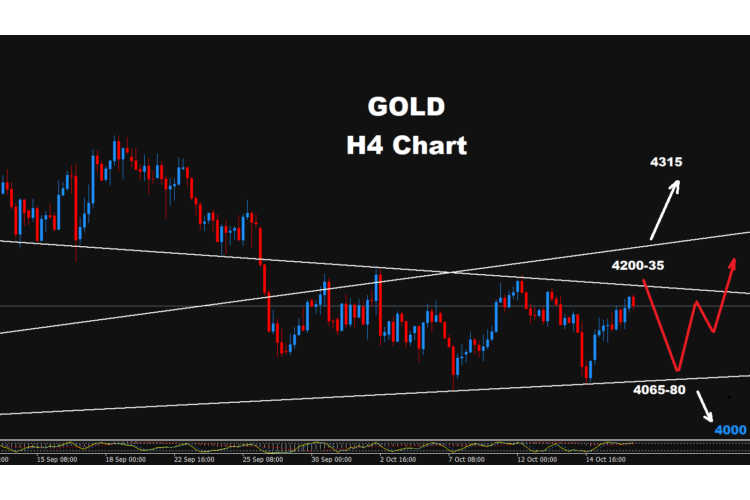
That concern has pushed up the value of dollar alternatives and weakened the greenback. Gold prices jumped despite more hawkish Fed minutes because the dollar weakened after the Treasury announcement. Higher rates would also weigh on the economy, reduce government tax receipts, and make the debt situation worse.
Deficit hawks are therefore looking for alternative assets, including bitcoin, which also surged after the news.
Why This Might Not Be Such a Big Problem
The situation is similar to the problem facing the UK, but it is not identical. One difference is the size of the bond markets. The UK bond market, at around $4.3 trillion, is a fraction of the US market, which stands at around $50.5 trillion.
The Treasury is increasing its repurchases from $2 billion to $4 billion. That is just four hours of tax collection and less than a drop in the bucket for a market of this size.
The dollar is also the world’s reserve currency. When deficit hawks sell gilts, they sell pounds and buy dollars. If they tried the same with dollars, there is no equivalent alternative currency on the same scale. This makes it much harder to trigger a run on US debt.
Another issue facing the market is the massive spending by hyperscalers. So far this year, AI companies have issued around $500 billion in debt to finance AI infrastructure, compared with just $93 billion last year. This compares with around $644 billion in long-term debt held by the Treasury.
Essentially, the government is being crowded out by the massive amount of tech debt.
The increase in Treasury repurchases aligns with changes in market conditions and could be just a technical adjustment. However, markets are likely to remain nervous for a while as traders watch what happens next.


Comments
Log in or sign up to join the conversation.