
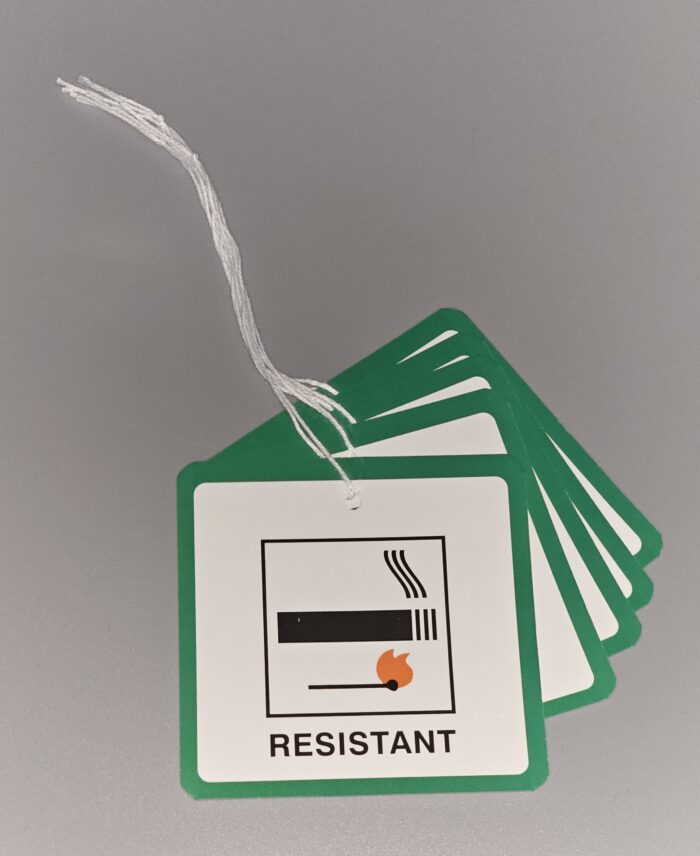
Fire safety compliance is often treated as a final checkbox late in a furniture project, when it really deserves consideration from the earliest design stages. Understanding upholstery fire safety rating requirements before materials are selected saves considerable rework later in the process.
The Cost of Addressing Fire Compliance Too Late
Designers who select fabrics or leathers based purely on appearance, only to discover later that the chosen material cannot meet the required fire safety rating for the project's occupancy category, often face costly last-minute substitutions. Building compliance considerations into the initial material shortlist avoids this scenario entirely.
How Rating Requirements Differ by Project Type
A boutique retail interior and a hospital waiting room face very different fire safety requirements, even though both might involve similar-looking upholstered seating. Understanding the specific occupancy classification for a given project is the necessary first step before any material shortlisting can meaningfully begin.
Design teams working through these requirements often consult supplier resources explaining upholstery fire safety rating categories to align material choices with project-specific compliance needs from the outset.
Working Collaboratively With Suppliers on Compliance
Experienced upholstery suppliers can often guide designers toward pre-tested material combinations that already meet common compliance thresholds, significantly simplifying the selection process. Bringing suppliers into the conversation early, rather than after a design has already been finalized, tends to produce a smoother project timeline overall.
Frequently Asked Questions
Can any fabric or leather be certified to a higher fire safety rating with additional treatment?
In some cases yes, though not universally, and the base material's composition ultimately limits how much improvement additional treatment can realistically achieve.
Who is responsible for confirming fire rating compliance on a project?
Ultimate responsibility often falls on the specifier or furniture manufacturer, though suppliers typically provide the documentation needed to support that compliance decision.
Does a higher fire safety rating always mean better overall furniture quality?
Not necessarily. Fire rating reflects fire performance specifically, and should be evaluated alongside, not instead of, durability and comfort considerations.
Final Thoughts
Treating fire safety rating as an early design consideration, rather than a late compliance hurdle, leads to smoother projects and furniture that genuinely meets its intended purpose from day one.
Comments
Log in or sign up to join the conversation.