
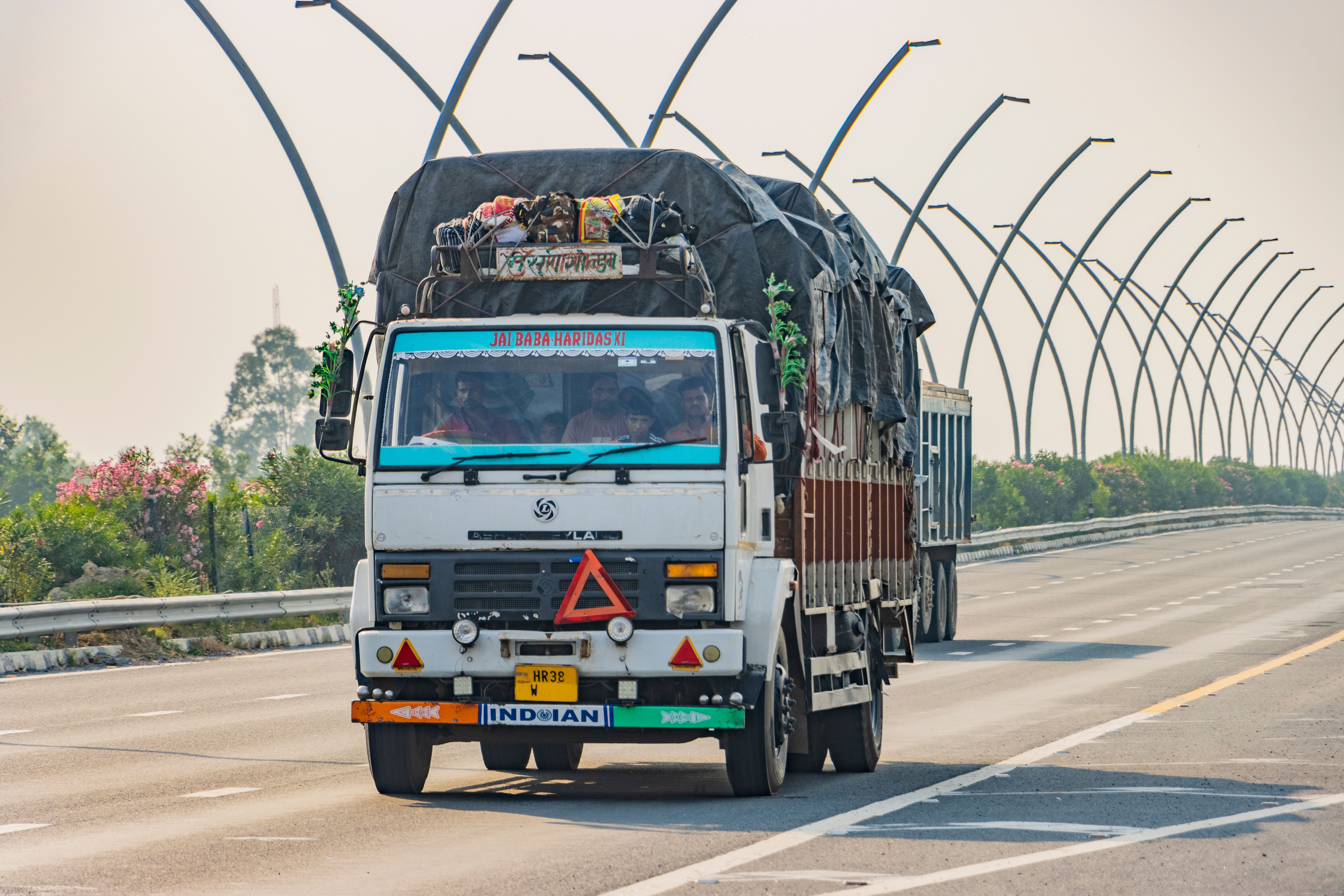
India's economic growth is driven by the efficient movement of goods between major commercial centers. Among the country's most important logistics routes, the Delhi-Mumbai corridor stands out as a vital link connecting manufacturers, distributors, retailers, and exporters. The route supports a significant portion of domestic trade and plays an essential role in maintaining supply chain continuity across industries.
As businesses continue to expand their operations across multiple regions, the need for reliable transportation solutions has become increasingly important. Efficient freight movement not only helps organizations meet customer expectations but also contributes to operational efficiency and cost control.
The Importance of the Delhi-Mumbai Logistics Route
Delhi and Mumbai are two of India's largest economic hubs. Delhi serves as a major center for manufacturing, wholesale trade, and distribution, while Mumbai functions as the country's financial capital and one of its busiest commercial gateways.
The continuous movement of goods between these cities supports industries such as:
Manufacturing
Retail and e-commerce
Automotive
Pharmaceuticals
Consumer goods
Industrial equipment
Electronics
As a result, businesses increasingly rely on dependable delhi to mumbai transport solutions to maintain smooth operations and meet market demand.
Growing Demand for Efficient Freight Services
Modern businesses operate in highly competitive environments where delays can result in lost revenue and customer dissatisfaction. Companies require transportation partners capable of ensuring timely deliveries while maintaining shipment safety.
The increasing demand for delhi to mumbai transport service providers reflects the growing importance of reliable logistics networks. Organizations are seeking transportation solutions that offer consistency, transparency, and flexibility while supporting evolving supply chain requirements.
Whether shipping raw materials, finished products, or commercial inventory, businesses need transportation systems that can adapt to changing market conditions.
Key Factors Driving Transportation Efficiency
Infrastructure Improvements
Significant investments in highways, freight corridors, and transportation infrastructure have improved connectivity between major Indian cities. These developments have reduced transit times and enhanced logistics performance across key trade routes.
Technology Integration
Transportation providers are increasingly utilizing digital tools to improve operational efficiency. Technologies such as GPS tracking, transportation management systems, and route optimization software provide businesses with greater visibility and control over shipments.
Better Fleet Management
Modern fleet management practices help transportation companies optimize vehicle utilization, improve fuel efficiency, and reduce delivery delays.
These advancements contribute to a more reliable delhi to mumbai transport service ecosystem that benefits businesses across various industries.
The Value of Daily Freight Connectivity
For many organizations, shipment requirements are not limited to occasional deliveries. Manufacturers, wholesalers, and retailers often require frequent freight movement to maintain inventory levels and support business continuity.
A dependable delhi to mumbai daily transport service enables businesses to move goods consistently without disruptions. Daily transportation availability helps organizations respond more effectively to customer demand while reducing the risks associated with inventory shortages.
Regular transportation schedules also improve supply chain planning and allow businesses to maintain greater operational flexibility.
Understanding Transportation Cost Factors
One of the most common concerns for businesses involves transportation expenses. Freight costs can significantly impact overall operational budgets, making cost management a critical aspect of logistics planning. Several factors influence delhi to mumbai transport charges, including:
Shipment Weight and Volume
Larger shipments typically require more transportation capacity, affecting overall freight costs.
Type of Cargo
Specialized goods such as fragile products, temperature-sensitive materials, or oversized equipment may require additional handling and transportation resources.
Delivery Timelines
Expedited shipping services often involve higher transportation costs compared to standard delivery schedules.
Fuel Prices
Fluctuations in fuel costs can directly influence transportation pricing across long-distance freight routes.
Businesses that understand these factors are better positioned to optimize shipping strategies and manage logistics expenses effectively.
Industries Benefiting from Intercity Transportation
Manufacturing Sector
Manufacturers depend on efficient transportation networks to move raw materials and finished products between production facilities, warehouses, and distribution centers.
E-commerce Businesses
Online retailers require reliable logistics solutions to fulfill customer orders and maintain competitive delivery timelines.
Pharmaceutical Industry
The pharmaceutical sector relies heavily on timely freight movement to ensure product availability and supply chain continuity.
Retail Distribution
Retail businesses frequently transport inventory between regional warehouses and retail outlets, making dependable transportation services essential for daily operations.
These industries contribute significantly to the growing demand for delhi to mumbai transport solutions across the country.
How Technology Is Transforming Freight Movement
Digital transformation continues to reshape the transportation industry. Businesses now expect greater visibility and real-time access to shipment information.
Key technological innovations include:
Real-time shipment tracking
Automated route planning
Digital proof of delivery
Predictive logistics analytics
Cloud-based transportation management systems
These advancements help organizations improve planning accuracy, reduce operational risks, and enhance customer satisfaction.
Companies utilizing a professional delhi to mumbai daily transport service often benefit from these technological capabilities, allowing them to manage freight operations more efficiently.
Sustainability and Transportation Efficiency
Environmental sustainability is becoming an important consideration for logistics providers and businesses alike. Organizations are increasingly seeking transportation strategies that reduce fuel consumption and minimize carbon emissions.
Efficient route planning, vehicle optimization, and improved freight consolidation contribute to more sustainable transportation practices while helping businesses control costs.
As environmental regulations and sustainability goals continue to evolve, transportation providers are expected to play a significant role in supporting greener supply chains.
The Future of Delhi-Mumbai Logistics
The Delhi-Mumbai transportation corridor will remain one of India's most important trade routes for years to come. Continued infrastructure development, technological innovation, and increasing commercial activity will further strengthen its role in supporting economic growth.
Businesses that partner with reliable logistics providers and understand the factors influencing delhi to mumbai transport charges will be better equipped to optimize their transportation strategies and maintain a competitive advantage.
Conclusion
Efficient transportation is essential for maintaining supply chain performance and supporting business growth. The Delhi-Mumbai corridor serves as a critical logistics link that enables the movement of goods across industries and markets.
By leveraging dependable transportation networks, adopting modern logistics technologies, and implementing effective freight management practices, businesses can improve operational efficiency, control costs, and position themselves for long-term success in an increasingly competitive marketplace.
Comments
Log in or sign up to join the conversation.