
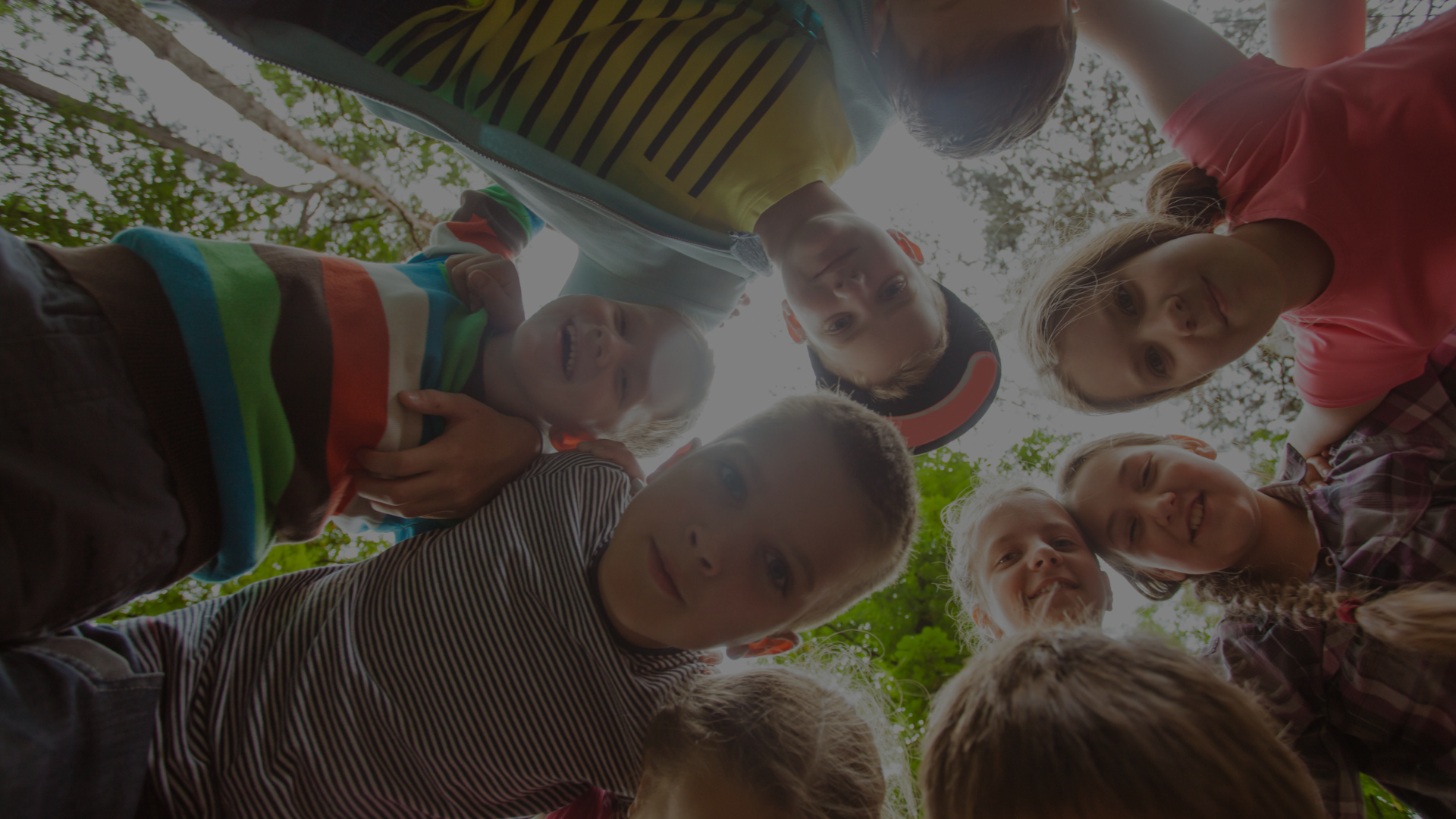
Education is changing as more families search for learning environments that provide flexibility, personal attention, and meaningful academic experiences. Many parents have realized that traditional classrooms are not the perfect fit for every child. Lighthouse Learning Microschool represents the growing interest in smaller educational communities that focus on individualized instruction, student engagement, and strong relationships between educators and learners. These modern learning spaces emphasize quality over size and encourage students to develop confidence while exploring subjects at their own pace.
One of the biggest reasons parents are considering alternative education models is the desire for personalized learning. Every child has unique strengths, interests, and learning styles. In a smaller educational setting, teachers can spend more time understanding each student's abilities and adjusting lessons to match individual needs. This approach often helps children build stronger academic foundations while enjoying the learning process.
Smaller learning environments also encourage active participation. Students are more likely to ask questions, join discussions, and collaborate with classmates when they feel comfortable in the classroom. Instead of becoming one face in a crowded room, each learner receives opportunities to contribute ideas and develop communication skills that will benefit them throughout life.
Another advantage is the flexibility offered by these educational communities. Traditional schools often follow fixed schedules and standardized teaching methods. Smaller learning programs can adapt lessons to current events, student interests, and project based activities. This flexibility keeps education fresh and allows children to connect classroom concepts with real world experiences.
Parents appreciate the close relationships they can build with educators in these settings. Frequent communication helps families stay informed about academic progress, social development, and personal achievements. When teachers and parents work together, children receive consistent support both inside and outside the classroom.
A balanced educational experience includes more than academic achievement. Students also benefit from opportunities to develop creativity, critical thinking, teamwork, and emotional intelligence. Small learning communities often integrate these skills into daily activities through collaborative projects, presentations, creative assignments, and problem solving exercises.
Technology has also made personalized education more effective. Digital learning tools allow teachers to monitor progress, identify areas where students need extra support, and provide customized resources. Instead of relying on a single teaching method, educators can combine traditional instruction with interactive lessons, educational software, and hands on activities to create a well rounded experience.
Another important feature is the ability to move at an appropriate learning pace. Some students need additional time to master difficult concepts, while others are ready for more advanced material. Flexible instruction ensures that learners are neither overwhelmed nor held back, allowing them to continue growing with confidence.
Community involvement plays an essential role in many smaller educational programs. Students often participate in local projects, volunteer opportunities, educational field trips, and practical experiences that connect classroom lessons with everyday life. These activities encourage responsibility, leadership, and a deeper understanding of the world around them.
Confidence grows when students experience success in supportive environments. Smaller class sizes make it easier for teachers to recognize achievements, encourage improvement, and celebrate milestones. Positive reinforcement motivates learners to continue challenging themselves and develop a lifelong appreciation for education.
Social development is another important consideration for families. Students in close learning communities often form meaningful friendships because they interact regularly in collaborative settings. Respect, empathy, and teamwork become natural parts of daily learning experiences, helping children build valuable interpersonal skills.
Creative learning methods can make education more enjoyable. Instead of focusing only on lectures and textbooks, teachers frequently incorporate experiments, storytelling, discussions, art projects, outdoor activities, and practical demonstrations. These experiences help students retain information while making learning memorable and engaging.
Independent thinking is encouraged through inquiry based learning. Students learn how to research topics, evaluate information, and present their findings with confidence. Rather than simply memorizing facts, they develop analytical skills that prepare them for higher education and future careers.
Parents often notice improvements in motivation when children feel genuinely supported. A positive learning environment reduces unnecessary stress and encourages curiosity. Students become more willing to explore new ideas, ask thoughtful questions, and take responsibility for their educational journey.
Smaller educational settings can also provide better opportunities for leadership. Students may take part in organizing events, leading group discussions, mentoring younger learners, or presenting projects to classmates. These experiences strengthen responsibility, communication, and decision making skills from an early age.
Another factor contributing to the popularity of alternative education is the emphasis on whole child development. Academic success is important, but emotional well being, resilience, creativity, and personal growth receive equal attention. This balanced approach prepares students to handle challenges with confidence and adaptability.
Families should carefully evaluate different educational options before making a decision. Visiting campuses, meeting teachers, reviewing curriculum plans, and understanding teaching philosophies can provide valuable insights. Every child has different needs, so finding the right environment requires thoughtful consideration rather than simply following trends.
As education continues to evolve, many parents are discovering that smaller learning communities offer an appealing combination of flexibility, personal attention, and academic excellence. These environments create opportunities for students to grow intellectually, socially, and emotionally while developing skills that extend far beyond the classroom. For families exploring new educational possibilities, searching for a microschool near me can be the first step toward finding a supportive learning environment where children are encouraged to thrive, discover their potential, and build a strong foundation for lifelong success.
Comments
Log in or sign up to join the conversation.