
Mold can become a serious property-maintenance concern when moisture remains inside a home or commercial building. Water leaks, flooding, condensation, roof problems, plumbing issues, and excessive humidity can create conditions where mold grows. For homeowners and businesses in Riverside, CT, dealing with mold early can help prevent the problem from becoming more extensive and protect affected building materials.
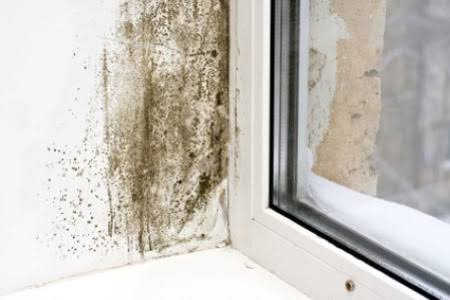
For more however Professional Mold Remediation Services in Riverside, CT provide a systematic approach to identifying moisture problems, controlling affected areas, removing mold-contaminated materials when necessary, cleaning suitable surfaces, and reducing the chance of future growth. Effective mold remediation is not simply about cleaning visible discoloration. It also involves finding and correcting the moisture source that allowed mold to develop in the first place.
What Is Mold Remediation?
Mold remediation is the process of addressing indoor mold growth and the environmental conditions that support it. A professional approach may include evaluating the affected area, identifying moisture sources, establishing containment when appropriate, removing damaged materials, cleaning salvageable surfaces, and thoroughly drying the area.
The goal is to bring the property back to a condition where visible mold growth has been appropriately addressed and moisture problems are under control. Because mold spores naturally exist in the environment, the practical objective is not to eliminate every spore but to prevent excessive indoor mold growth.
Why Can Mold Develop in Riverside, CT Properties?
Mold requires moisture to grow. Properties can develop moisture problems from leaking pipes, damaged roofs, foundation seepage, flooding, poor ventilation, condensation, or high indoor humidity.
Bathrooms and kitchens may experience regular moisture from showers, cooking, and plumbing. Basements and crawl spaces can be vulnerable to damp conditions, while attics may develop problems because of roof leaks or insufficient ventilation.
A small leak can sometimes remain unnoticed for an extended period, allowing moisture to accumulate behind walls, under flooring, or inside other building materials.
What Are the Common Signs of Mold?
Visible mold is an obvious warning sign, but mold is not always easy to see. Discoloration on walls, ceilings, flooring, or other surfaces may indicate growth.
A persistent musty odor can also suggest a moisture or mold issue, especially when there is no visible source. Other signs can include peeling paint, water stains, damp carpeting, recurring condensation, warped materials, or areas that remain unusually humid.
If these signs appear after a leak, flood, or other water event, investigating the source of moisture is an important first step.
Can Mold Grow Behind Walls?
Yes. Mold can develop in concealed locations when moisture becomes trapped behind drywall, wallpaper, cabinets, insulation, flooring, or other materials.
Hidden mold may be suspected when there is a persistent musty smell, unexplained staining, recurring moisture, or a history of water damage.
Professional evaluation can help determine whether hidden moisture or mold should be investigated further. Unnecessary demolition should be avoided, but credible signs of hidden moisture should not be ignored.
Why Is Professional Mold Remediation Important?
Professional remediation can be particularly helpful when mold growth is extensive, recurring, hidden, or associated with significant water damage.
The U.S. Environmental Protection Agency recommends professional assistance for certain larger or more complicated mold situations, including substantial water damage and some HVAC-related concerns.
Professionals can develop a remediation plan based on the property's conditions rather than simply applying a surface-cleaning method.
A thorough approach can address both the mold and the moisture problem responsible for the growth.
How Does Moisture Control Help With Mold?
Moisture control is one of the most important parts of mold prevention and remediation. If mold is cleaned but the source of moisture remains, the problem may return.
The EPA recommends fixing leaks promptly and controlling indoor humidity. It recommends keeping indoor relative humidity below 60%, ideally between 30% and 50%.
For Riverside property owners, moisture control may involve repairing plumbing leaks, addressing roof damage, improving ventilation, managing basement dampness, and reducing condensation.
What Does a Professional Mold Remediation Process Include?
Every mold situation is different, so the exact process depends on the size and location of the affected area and the materials involved.
A typical project may begin with an assessment of visible mold and moisture conditions. Professionals can then determine which areas require attention and whether containment is appropriate.
Depending on the circumstances, affected materials may be cleaned, dried, restored, or removed. Porous materials that cannot be effectively cleaned may require replacement.
Once remediation is complete, moisture-control measures can help reduce the risk of recurrence.
Why Is Containment Important?
Containment can help separate an affected area from unaffected portions of a property. This is particularly useful when contaminated materials must be disturbed or removed.
Appropriate containment practices can help reduce the movement of mold particles during remediation work.
The Connecticut Department of Public Health provides guidance concerning mold abatement practices and recommends appropriate procedures for work areas depending on the circumstances.
The containment method should be selected based on the size and nature of the mold problem.
What Happens to Mold-Damaged Materials?
Not every mold-affected material needs to be discarded. Some surfaces can be cleaned and dried effectively, while others may be too damaged or porous to restore.
The EPA explains that porous materials such as carpeting and ceiling tiles may need to be discarded when they become moldy because complete removal can be difficult.
A professional can evaluate individual materials and determine whether cleaning, restoration, or removal makes the most practical sense.
Is Mold Testing Always Necessary?
No. Mold testing is not automatically required for every property.
When visible mold is already present and the moisture source is clear, the priority is generally to address the moisture and the mold rather than relying on laboratory testing.
Connecticut Department of Public Health notes that mold sampling can be expensive and is often unnecessary when visible mold is already identified.
Testing may sometimes be useful when the presence or extent of mold is uncertain or when a specific question needs to be answered.
What Is the Difference Between Mold Removal and Remediation?
Mold removal generally refers to physically removing mold growth or contaminated materials. Remediation is a broader process that can include moisture correction, containment, removal, cleaning, drying, and prevention.
This distinction is important because removing visible mold without addressing the underlying moisture problem may not provide a lasting solution.
A successful remediation strategy should therefore focus on the complete environmental conditions contributing to mold growth.
Can Water Damage Cause Mold?
Water damage is one of the most common conditions associated with mold growth. Leaking pipes, roof damage, appliance failures, flooding, and plumbing problems can leave building materials wet.
If those materials remain damp, mold may develop.
The EPA recommends drying wet materials within approximately 24 to 48 hours when possible to help prevent mold growth.
Prompt action after water damage can therefore make a significant difference.
What Should You Do After a Water Leak?
The first step is to stop the water source if it is safe to do so. Wet materials should be dried as quickly as possible.
Property owners should also check nearby areas because water can travel behind walls, underneath flooring, and into concealed spaces.
If water damage is extensive, materials remain wet, or mold has already developed, professional evaluation can help determine the appropriate restoration or remediation approach.
Can Mold Affect Indoor Air Quality?
Mold is an important indoor environmental concern. Mold spores naturally exist in indoor and outdoor environments, but excessive indoor growth can contribute to poor indoor environmental conditions.
The EPA states that exposure to mold can cause allergic reactions in sensitive individuals and may aggravate asthma in some people.
Individual responses vary, and health concerns should be discussed with an appropriate healthcare professional.
Addressing the property's moisture and mold conditions can nevertheless help improve the overall indoor environment.
How Can Professional Mold Remediation Protect Your Property?
Mold can grow on or affect materials such as drywall, wood, carpeting, insulation, and fabrics when moisture is present.
Professional remediation can help property owners identify affected materials and determine which items can be restored and which may require removal.
Addressing the moisture source at the same time is particularly important because ongoing water intrusion can cause continued mold growth and additional material damage.
How Can You Prevent Mold From Returning?
The best way to reduce recurring mold growth is to control moisture.
Property owners can help prevent problems by repairing leaks promptly, improving ventilation, controlling indoor humidity, addressing condensation, and monitoring areas with a history of water damage.
The EPA recommends maintaining indoor relative humidity below 60%, ideally between 30% and 50%.
Regular inspections of basements, bathrooms, kitchens, attics, crawl spaces, and areas around windows can also help identify moisture problems early.
When Should You Hire Professional Mold Remediation Services?
Professional assistance may be appropriate when mold covers a large area, repeatedly returns, appears in difficult-to-access locations, follows substantial water damage, or may involve an HVAC system.
The EPA recommends considering professional assistance for larger mold problems and certain complicated water-damage situations.
Professional help can also be valuable when property owners cannot determine where the moisture is coming from.
How Can You Choose the Right Mold Remediation Company in Riverside?
When searching for Professional Mold Remediation Services in Riverside, CT, look for a provider that takes a complete approach to mold and moisture.
Experience, training, references, work procedures, communication, and attention to moisture control are all important considerations.
Connecticut Department of Public Health provides guidance for mold abatement contractors and encourages consumers to consider qualifications and references when selecting professionals.
Ask potential providers how they plan to identify the moisture source, contain the work area, handle affected materials, clean the property, and reduce the chance of recurrence.
Choosing a company based only on the lowest price may not provide the best long-term value. A clear, detailed remediation plan is often more useful when comparing services.
Questions to Ask Before Hiring a Mold Professional
Property owners can ask several questions before approving remediation work.
What is causing the mold? Where is the moisture coming from? Is hidden mold suspected? Will containment be required? Which materials can be cleaned? Which materials may need removal? Is testing necessary? How will the area be dried? What steps will be taken to prevent mold from returning?
It is also useful to ask about professional training, previous experience, references, insurance, and the procedures used during remediation.
Clear answers can help property owners understand the proposed work and make an informed decision.
Frequently Asked Questions About Mold Remediation
Can mold be completely eliminated from a property?
Every indoor environment contains some mold spores. The practical goal is to control excessive indoor mold growth, remove problematic contamination, and correct the moisture conditions that support it.
Can mold return after remediation?
Yes. If moisture remains unresolved, new mold growth can develop. Fixing leaks, controlling humidity, and improving ventilation are therefore important preventive measures.
How quickly can mold develop after water damage?
Mold can develop when wet materials remain damp. The EPA recommends drying wet materials within 24 to 48 hours when possible to help prevent mold growth.
Is mold testing necessary when mold is visible?
Not necessarily. If visible mold is already present, testing may not provide useful additional information. The focus should generally be on addressing the moisture source and properly managing the mold.
Can a musty odor indicate hidden mold?
A persistent musty smell can be a warning sign of moisture or hidden mold, but odor alone cannot determine the location or extent of a mold problem. Further evaluation may be appropriate.
Can homeowners handle small mold problems?
Some small, manageable areas may be addressed by homeowners using appropriate precautions and cleaning methods. Larger, recurring, hidden, or water-damage-related problems may require professional assistance.
Does killing mold solve the problem?
Not necessarily. Mold should be appropriately removed, and the underlying moisture problem should be corrected. Simply killing mold does not prevent future growth if moisture remains.
Final Thoughts
Mold is often a symptom of an underlying moisture problem. For homeowners and businesses searching for Professional Mold Remediation Services in Riverside, CT, the most effective approach should address both the existing mold and the conditions that allowed it to develop.
Professional remediation may include moisture assessment, containment, cleaning, removal of affected materials, drying, and preventive recommendations. The EPA and Connecticut Department of Public Health both emphasize the importance of moisture control and appropriate mold-management practices.
Written by: Rank Business Listings
Comments
Log in or sign up to join the conversation.