
How High-Quality CNC Tools Drive Precision and Productivity in Manufacturing
Introduction
Modern manufacturing is driven by precision, speed, and efficiency. Industries such as automotive, aerospace, electronics, medical equipment, and industrial engineering rely heavily on advanced machining processes to produce high-quality components. At the center of these operations are cutting tools that directly influence productivity, accuracy, and operational costs.
As production standards become stricter and customer expectations continue to rise, manufacturers can no longer afford to compromise on tooling quality. Investing in a high-quality CNC tool is no longer just a performance decision—it is a strategic business investment that impacts profitability, product quality, and machine longevity.
Whether companies purchase CNC tools online or search for CNC tools near me, selecting reliable and durable tooling solutions is essential for maintaining a competitive advantage. This article explores why quality tools play a critical role in modern manufacturing and how they contribute to long-term success.
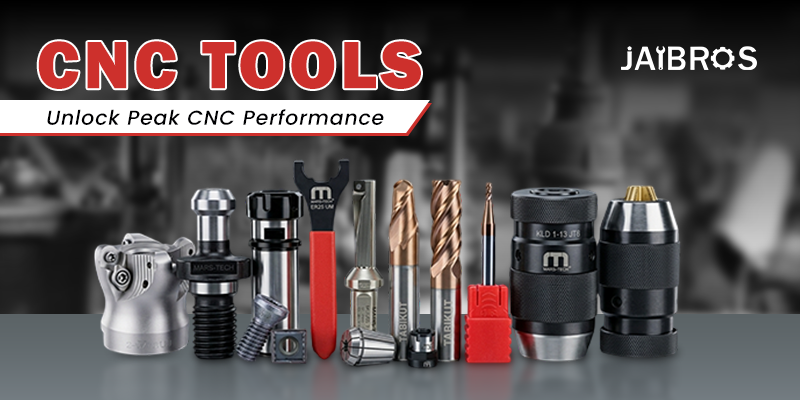
Understanding the Importance of CNC Tooling
Computer Numerical Control (CNC) machining has revolutionized manufacturing by automating complex cutting, drilling, milling, and turning operations. However, even the most advanced machine cannot achieve optimal results without the right tooling.
A premium CNC tool ensures cleaner cuts, tighter tolerances, better surface finishes, and longer operating life. On the other hand, low-quality tools often wear out quickly, create dimensional inconsistencies, and increase machine downtime.
Manufacturers aiming for high-volume production and precision engineering must recognize that tooling quality directly impacts every stage of the manufacturing process.
Why Tool Quality Matters More Than Ever
Improved Machining Accuracy
Accuracy is one of the most critical requirements in modern manufacturing. Industries such as aerospace and medical equipment manufacturing often require tolerances measured in microns.
A high-quality CNC tool maintains its cutting edge longer, ensuring dimensional consistency across production batches. Better accuracy reduces rejected parts and helps manufacturers meet strict quality standards.
Higher Productivity
Machine downtime can significantly affect profitability. Frequent tool changes interrupt production schedules and reduce overall efficiency.
Premium tooling solutions are designed to withstand demanding operating conditions, allowing manufacturers to run longer production cycles without interruptions. A reliable CNC tool enables faster machining while maintaining precision.
Reduced Manufacturing Costs
While quality tools may require a larger initial investment, they offer substantial savings over time. Reduced wear, fewer replacements, lower scrap rates, and less machine downtime all contribute to lower production costs.
Businesses that focus solely on low purchase prices often end up spending more on maintenance, replacements, and rework.
Better Surface Finish
Component appearance and surface quality are important in many applications. Superior tooling minimizes vibrations and cutting inconsistencies, producing smoother finishes that reduce the need for secondary processing.
Enhanced Machine Protection
Poor-quality tools can generate excessive heat and vibration, leading to unnecessary wear on machine spindles and bearings. Investing in a durable CNC tool helps protect expensive machinery and extends equipment life.
Types of CNC Machine Used in Manufacturing
Understanding the various types of CNC machine helps manufacturers select suitable tooling solutions for different applications.
CNC Milling Machines
These machines use rotating cutters to remove material from workpieces. They are widely used for producing complex shapes and precision components.
CNC Lathes
Lathes rotate the workpiece while stationary cutting tools perform machining operations. They are ideal for cylindrical and symmetrical components.
CNC Routers
CNC routers are commonly used for cutting wood, plastic, composites, and soft metals with exceptional precision.
CNC Grinding Machines
Grinding machines provide high-precision finishing and are often used in industries where tight tolerances are required.
CNC Plasma Cutting Machines
These systems use plasma arcs to cut conductive metals quickly and efficiently.
CNC Laser Machines
Laser machines utilize focused beams to cut, engrave, and mark materials with exceptional accuracy.
Each machine type requires specialized tooling to maximize performance and productivity.
Choosing the Best CNC Tools for Industrial Applications
Selecting the best CNC tools involves more than simply comparing prices. Manufacturers should evaluate several important factors before making a purchase.
Tool Material
Tool materials significantly influence durability and cutting performance. Common options include high-speed steel, carbide, ceramics, and coated materials.
Coating Technology
Advanced coatings improve wear resistance, reduce friction, and increase heat tolerance. Coated tools often deliver longer operational life in demanding environments.
Application Requirements
Different materials require different tooling geometries and cutting strategies. Manufacturers should choose tools specifically designed for the materials being machined.
Tool Rigidity
Rigid tools reduce vibration and chatter, resulting in improved dimensional accuracy and better surface finishes.
Supplier Reliability
Working with reputable suppliers ensures access to consistent quality, technical support, and reliable product availability.
By carefully evaluating these factors, businesses can identify the most suitable tooling solutions for their operations.
The Growing Demand for Carbide Drill Technology
One of the most widely used cutting tools in modern manufacturing is the carbide drill. Carbide technology has become increasingly popular due to its exceptional hardness and resistance to wear.
Compared to traditional high-speed steel drills, carbide drills provide several advantages:
Higher cutting speeds
Longer service life
Superior heat resistance
Better hole accuracy
Reduced tool deflection
These benefits make carbide drills ideal for machining hardened steels, stainless steel, cast iron, and other challenging materials.
Manufacturers seeking higher productivity and improved consistency often rely on carbide drilling solutions to achieve their production goals.
Why Thread Mills Are Preferred for Precision Threading
Threading is a critical machining operation that requires both precision and reliability. The thread mill has emerged as a preferred solution for creating high-quality internal and external threads.
Unlike conventional taps, thread mills offer greater flexibility and control.
Benefits of thread milling include:
Improved thread accuracy
Better chip evacuation
Reduced breakage risk
Capability to produce multiple thread sizes
Easier correction of machining errors
These advantages make thread mills particularly valuable in industries where precision is essential and component failure is not an option.
The Role of Accurate Measurement Tools
Quality machining depends not only on cutting operations but also on accurate inspection and measurement.
A digital caliper vernier is one of the most commonly used measuring instruments in manufacturing facilities. It allows operators to verify dimensions quickly and accurately throughout the production process.
Key benefits include:
Fast digital readings
High measurement precision
Easy metric and imperial conversion
Reduced human error
Improved quality control efficiency
Using reliable measuring equipment helps manufacturers maintain consistency and meet customer specifications with confidence.
Buying CNC Tools Online vs Local Suppliers
The purchasing landscape has evolved significantly over the past decade. Today, many businesses compare sourcing options between CNC tools online and local distributors.
Advantages of Buying Online
Purchasing tooling online provides several benefits:
Access to broader product selections
Competitive pricing
Convenient ordering processes
Product comparison capabilities
Customer reviews and ratings
Advantages of Local Suppliers
Despite the growth of online purchasing, many manufacturers still search for CNC tools near me when immediate availability and technical assistance are required.
Local suppliers often provide:
Faster delivery
In-person consultation
Emergency replacement options
Technical support
Strong supplier relationships
Combining both purchasing methods can help businesses optimize procurement strategies while ensuring uninterrupted production.
Common Mistakes Manufacturers Make When Selecting Tools
Even experienced manufacturers sometimes make tooling decisions that negatively impact productivity.
Common mistakes include:
Prioritizing Price Over Quality
The cheapest option is rarely the most cost-effective over the long term.
Ignoring Material Compatibility
Using the wrong tool for a material often results in premature wear and poor machining performance.
Delaying Tool Replacement
Operating with worn tools can damage workpieces and increase machine stress.
Overlooking Coating Requirements
Tool coatings significantly influence performance and durability in demanding applications.
Neglecting Preventive Maintenance
Proper maintenance and inspection help maximize tool life and ensure consistent machining results.
Avoiding these mistakes can significantly improve operational efficiency and product quality.
Future Trends in CNC Tooling
The manufacturing industry continues to evolve with advancements in tooling technology.
Emerging innovations include:
Smart tooling with wear-monitoring sensors
AI-driven machining optimization
Advanced nano-coatings
Enhanced carbide formulations
Digital integration with Industry 4.0 systems
These developments are helping manufacturers improve efficiency, reduce waste, and achieve greater process control.
As production requirements become more demanding, quality tooling will remain a key factor in maintaining competitiveness.
Conclusion
In today's manufacturing environment, quality tooling is a critical contributor to productivity, precision, and profitability. A well-designed CNC tool enables manufacturers to achieve tighter tolerances, better surface finishes, reduced downtime, and lower overall operating costs. Investing in superior tooling solutions is not simply about improving machining performance—it is about creating a sustainable foundation for long-term growth and operational excellence.
For businesses looking for trusted industrial tooling solutions, Jaibros has established itself as a reliable source of high-performance products for modern manufacturing applications. From cutting tools and measuring instruments to advanced machining accessories, Jaibros focuses on delivering quality, durability, and precision that help manufacturers maximize efficiency and maintain consistent production standards in today's competitive industrial landscape.
FAQs
1. Why is tooling quality important in CNC machining?
Quality tooling improves machining accuracy, increases productivity, reduces downtime, and lowers overall manufacturing costs.
2. What are the most common types of CNC machine?
The most common types include CNC milling machines, CNC lathes, CNC routers, CNC grinding machines, CNC plasma cutters, and CNC laser machines.
3. Why are carbide drills preferred in manufacturing?
Carbide drills offer excellent wear resistance, higher cutting speeds, longer service life, and superior performance when machining hard materials.
4. What are the advantages of using a thread mill?
Thread mills provide better thread accuracy, improved chip evacuation, lower breakage risk, and greater flexibility than conventional tapping methods.
5. Should I buy CNC tools online or from local suppliers?
Both options have advantages. Online stores offer wider selections and competitive pricing, while local suppliers provide faster support, technical assistance, and immediate product availability.
Comments
Log in or sign up to join the conversation.