

Fuel quality plays a crucial role in determining how efficiently your vehicle performs on the road. While most people focus on fuel prices, very few pay attention to Petrol Density in India and Its Impact on Your Vehicle. Understanding petrol density can help you make informed decisions about fuel quality, engine health, and overall vehicle maintenance.
Whether you own a bike, car, or commercial vehicle, knowing how petrol density works can help you avoid poor-quality fuel, improve mileage, and maintain your engine's performance over the long term.
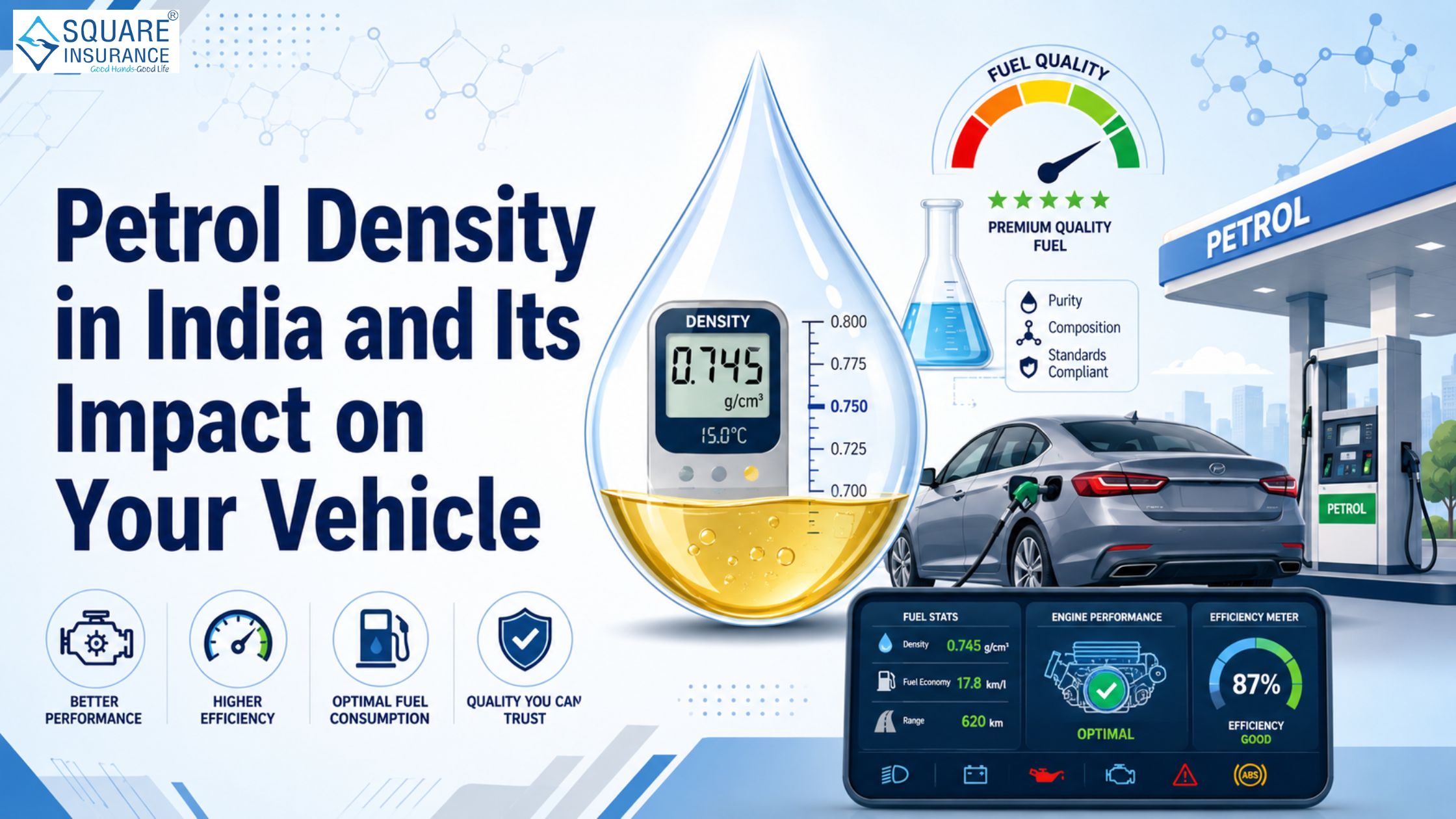
What Is Petrol Density?
Petrol density refers to the mass of petrol contained in a specific volume, usually measured in kilograms per cubic meter (kg/m³) or grams per milliliter (g/ml). Simply put, it tells us how heavy the fuel is compared to its volume.
The density of petrol naturally changes with temperature. As temperatures rise, petrol expands, causing its density to decrease. During colder conditions, petrol contracts, resulting in slightly higher density.
Petrol pumps in India generally maintain fuel quality according to standards set by government authorities, ensuring density remains within the acceptable range.
Standard Petrol Density in India
The typical petrol density in India generally falls between:
720–775 kg/m³
Approximately 0.72–0.775 g/ml
The exact density depends on several factors, including:
Refining process
Fuel additives
Ethanol blending
Ambient temperature
Fuel grade
Petrol stations regularly check density to ensure the fuel supplied meets prescribed quality standards.
Why Petrol Density Is Important
Many vehicle owners overlook petrol density because it isn't visible during refueling. However, it directly influences fuel quality and engine efficiency.
1. Indicates Fuel Quality
One of the easiest methods to assess fuel quality is by checking its density. If petrol density falls significantly outside the recommended range, it could indicate contamination or adulteration.
Good-quality petrol helps your engine perform efficiently and reduces long-term wear.
2. Supports Better Engine Performance
An engine is designed to burn fuel with specific characteristics. Petrol with proper density ensures efficient combustion, allowing the engine to produce optimum power while reducing unnecessary stress on engine components.
3. Improves Fuel Efficiency
Proper-quality petrol allows more complete combustion, helping vehicles deliver better mileage. Although density alone does not determine mileage, maintaining fuel within standard specifications contributes to efficient fuel consumption.
4. Protects Engine Components
Poor-quality fuel may lead to:
Carbon deposits
Injector clogging
Reduced combustion efficiency
Increased engine knocking
Higher maintenance costs
Maintaining proper fuel quality helps reduce these issues.
5. Helps Detect Fuel Adulteration
Fuel adulteration remains a concern in some areas. Mixing petrol with cheaper substances changes its density and affects vehicle performance.
Monitoring petrol density is one of the quality checks used to identify possible adulteration before the fuel reaches consumers.
Factors That Affect Petrol Density
Several factors influence petrol density in India.
Temperature
Temperature has the biggest impact on petrol density. Higher temperatures cause fuel to expand, reducing density, while lower temperatures increase density.
Ethanol Blending
India has gradually increased ethanol blending in petrol to reduce dependence on fossil fuels. Ethanol has different physical properties than petrol, slightly affecting overall fuel density.
Fuel Composition
Petrol contains multiple hydrocarbon compounds. Different refining techniques and compositions can produce slight variations in density.
Additives
Fuel companies often add detergents, cleaning agents, and performance enhancers to improve engine protection. These additives may slightly influence fuel density while remaining within approved standards.
How Petrol Density Is Measured
Petrol stations generally use a hydrometer to measure fuel density.
The process includes:
Taking a fuel sample.
Measuring its temperature.
Using a calibrated hydrometer.
Comparing the reading with standard reference values.
This simple procedure helps ensure fuel quality before dispensing.
Can Vehicle Owners Check Petrol Density?
Yes. Although laboratory testing provides the highest accuracy, vehicle owners can request density information at many petrol stations.
You can:
Ask for the day's density reading.
Verify that it falls within acceptable limits.
Ensure the measurement corresponds to the recorded fuel temperature.
Being aware of these values helps build confidence in fuel quality.
Signs of Poor-Quality Petrol
Sometimes poor-quality petrol may not be immediately noticeable. However, certain symptoms may indicate potential fuel-related issues.
Watch for:
Sudden drop in mileage
Engine knocking
Rough idling
Slow acceleration
Difficulty starting
Increased exhaust emissions
Check engine warning light
If these symptoms appear immediately after refueling, it may be worth inspecting fuel quality.
Tips to Ensure Better Fuel Quality
Vehicle owners can take several precautions to reduce the risk of poor-quality fuel.
Refill from reputed petrol stations.
Avoid refueling during fuel tanker unloading.
Keep fuel receipts.
Service your vehicle regularly.
Replace fuel filters as recommended.
Use the fuel grade specified by the manufacturer.
Monitor mileage for unusual changes.
These simple habits can improve engine longevity and reduce maintenance expenses.
Common Myths About Petrol Density
Myth 1: Higher Density Always Means Better Fuel
Not necessarily. Fuel should remain within the prescribed density range. Excessively high density can also indicate contamination.
Myth 2: Petrol Density Determines Mileage Alone
Mileage depends on multiple factors, including:
Driving habits
Traffic conditions
Vehicle maintenance
Tire pressure
Engine condition
Fuel quality
Density is only one contributing factor.
Myth 3: Premium Petrol Always Has Higher Density
Premium petrol may contain additional performance additives, but its density still complies with prescribed standards. Higher price does not necessarily mean significantly different density.
Petrol Density and Vehicle Maintenance
Understanding petrol density helps vehicle owners become more informed about fuel quality. While you cannot judge fuel quality solely by appearance, awareness of density standards can help identify potential issues before they affect engine performance.
Using quality fuel, following regular maintenance schedules, and servicing your vehicle on time contribute significantly to better fuel efficiency, smoother driving, and reduced repair costs.
Frequently Asked Questions (FAQs)
Q1. What is the standard petrol density in India?
The standard petrol density generally ranges between 720 and 775 kg/m³, depending on temperature, fuel composition, and ethanol blending.
Q2. Does petrol density affect vehicle mileage?
Yes. Proper petrol density supports efficient combustion, which can contribute to better fuel efficiency along with good driving habits and regular vehicle maintenance.
Q3. Why does petrol density change?
Petrol density mainly changes because of temperature variations. It may also vary slightly due to ethanol blending, refining methods, and approved fuel additives.
Q4. How is petrol density measured at fuel stations?
Fuel stations typically use a hydrometer to measure petrol density and compare the readings with standard reference values after accounting for fuel temperature.
Q5. Can low petrol density damage my vehicle?
Fuel that falls outside the acceptable density range may indicate contamination or adulteration, which can affect engine performance and increase maintenance costs if used repeatedly.
Q6. How can I ensure I'm getting good-quality petrol?
Choose trusted petrol stations, ask for density readings if available, keep your vehicle serviced regularly, and monitor any sudden changes in mileage or engine performance.
Conclusion
Understanding petrol density is more than just knowing a technical specification—it helps vehicle owners recognize the importance of fuel quality in maintaining engine performance, improving mileage, and reducing long-term maintenance costs. Paying attention to petrol quality can contribute to a smoother driving experience and protect your vehicle from avoidable damage. Along with using quality fuel, securing your vehicle with the right insurance is equally important. Square Insurance offers a range of vehicle insurance solutions that help safeguard you against unexpected financial risks while ensuring peace of mind on every journey.
Comments
Log in or sign up to join the conversation.