
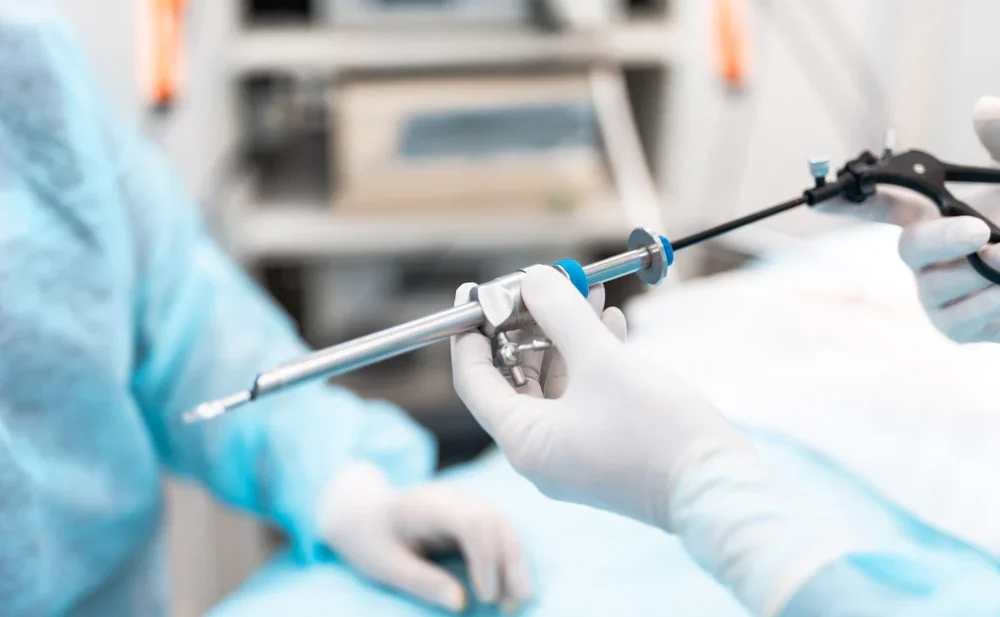
Healthcare technology continues advancing rapidly as medical professionals seek better solutions to improve treatment quality and patient care. Across hospitals, surgical centers, rehabilitation facilities, and specialized healthcare environments, medical devices and advanced treatment technologies play an increasingly important role. Among these healthcare solutions, medical implant suppliers contribute significantly to supporting modern healthcare systems and long-term treatment capabilities.
Medical implants are widely used across healthcare applications involving orthopedic care, surgical treatment environments, rehabilitation planning, and various clinical procedures. As healthcare innovation continues evolving, healthcare providers increasingly prioritize quality, precision, and reliability when evaluating medical solutions.
The growing demand for advanced healthcare technology continues driving development across medical industries worldwide.
Why Medical Implants Matter in Healthcare
Modern healthcare increasingly relies on advanced technologies designed to improve treatment processes and support long-term patient outcomes.
Medical implant solutions may support healthcare environments involving:
Orthopedic treatment procedures
Surgical interventions
Bone and joint care
Rehabilitation planning
Long-term treatment management
Healthcare systems continue strengthening infrastructure to support increasingly advanced treatment capabilities.
Reliable medical technologies remain an important component of healthcare modernization.
How Medical Implant Suppliers Support Healthcare Systems
Healthcare providers depend on medical supply networks that support treatment quality and operational consistency.
Specialized suppliers contribute to healthcare environments in multiple ways.
Supporting Treatment Precision
Clinical procedures often require specialized medical technologies designed for consistency and precision.
Advanced healthcare equipment may help support:
Procedure planning
Treatment consistency
Clinical workflow efficiency
Healthcare precision continues becoming increasingly important across medical environments.
Contributing to Healthcare Infrastructure
Modern healthcare systems depend on coordinated supply environments.
Reliable healthcare supply support helps organizations strengthen:
Clinical operations
Treatment preparation
Long-term healthcare planning
Infrastructure stability contributes to stronger operational performance.
Supporting Healthcare Quality Standards
Healthcare organizations continue prioritizing quality-focused treatment environments.
Reliable healthcare supply systems contribute to:
Operational consistency
Equipment quality expectations
Long-term healthcare reliability
Healthcare quality remains central to modern medical operations.
Healthcare Technology Continues Evolving
Medical innovation continues reshaping healthcare capabilities globally.
Several trends continue influencing healthcare development.
Greater Technology Integration
Healthcare systems increasingly adopt advanced technologies that support clinical performance.
Technology modernization remains an important healthcare priority.
Increased Demand for Specialized Solutions
Growing healthcare requirements continue driving demand for specialized medical technologies.
Healthcare providers increasingly prioritize treatment environments that support operational excellence.
Focus on Long-Term Healthcare Improvement
Healthcare systems continue strengthening long-term planning strategies.
Operational sustainability remains increasingly important across healthcare industries.
Factors Healthcare Organizations Consider When Evaluating Medical Solutions
Healthcare decision-making often involves evaluating multiple factors that influence operational quality.
Important considerations frequently include:
Product Quality Standards
Healthcare environments prioritize quality-focused medical technologies.
Reliable healthcare solutions contribute to stronger clinical performance.
Operational Reliability
Consistency remains important within healthcare systems.
Healthcare infrastructure planning increasingly focuses on long-term operational stability.
Healthcare Innovation Support
Medical advancement continues improving treatment environments.
Healthcare organizations increasingly prioritize technologies aligned with future development opportunities.
Healthcare organizations seeking medical technology solutions may explore medical implant suppliers options to support healthcare operations and treatment planning environments.
Future Trends Influencing Medical Technology
Healthcare industries continue evolving alongside scientific and technological advancement.
Several developments may influence future healthcare environments.
Expanded Healthcare Technology Adoption
Technology modernization continues supporting healthcare improvement strategies.
Healthcare systems increasingly prioritize advanced treatment capabilities.
Greater Operational Efficiency
Healthcare organizations continue strengthening operational processes.
Efficiency improvements support stronger treatment environments.
Continued Medical Innovation
Medical research and development continue influencing healthcare advancement globally.
Innovation remains central to long-term healthcare progress.
How Healthcare Organizations Strengthen Clinical Performance
Healthcare facilities often focus on:
Infrastructure modernization
Clinical workflow optimization
Technology integration
Treatment quality improvement
Operational consistency
Long-term planning contributes to stronger healthcare performance.
Frequently Asked Questions
1. Why are medical technologies important in healthcare?
Medical technologies support treatment environments, clinical procedures, and healthcare operational performance.
2. Why do healthcare providers prioritize quality-focused solutions?
Reliable medical technologies help strengthen treatment consistency and operational reliability.
3. How is healthcare technology evolving?
Healthcare advancement continues through scientific research, medical innovation, and technology integration.
Conclusion
Modern healthcare continues advancing as technology strengthens treatment capabilities and healthcare delivery systems. Reliable medical technologies remain important in supporting operational quality, treatment planning, and healthcare modernization efforts. As healthcare systems continue evolving, medical innovation and quality-focused healthcare infrastructure will remain increasingly valuable in supporting future healthcare development.
Comments
Log in or sign up to join the conversation.