

Salicylic acid is often recommended as one of the best ingredients for treating strawberry skin, strawberry legs, and even keratosis pilaris (KP).
So naturally, many people expect dramatic results.
But after weeks of using a body wash, lotion, or serum containing salicylic acid, they look at their legs and wonder:
"Why are the dark dots still there?"
"Why do I still have rough bumps?"
"Is salicylic acid not working for me?"
If this sounds familiar, don't give up just yet.
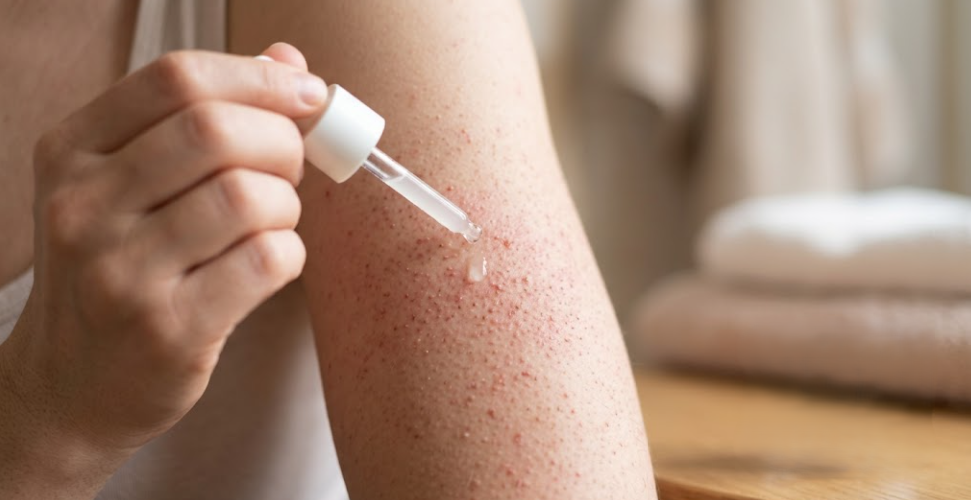
The truth is that salicylic acid is highly effective—but it isn't a magic ingredient. Its success depends on several factors, including the underlying cause of your strawberry skin, the product you're using, how consistently you apply it, and whether your skincare routine addresses more than just clogged pores.
In this guide, we'll explain:
Why salicylic acid sometimes doesn't deliver the expected results
Common mistakes that reduce its effectiveness
When salicylic acid works best
When other ingredients are needed
How to build a routine that targets strawberry skin more effectively
Quick Answer
Salicylic acid may not be working for your strawberry skin because your condition could involve more than clogged pores. Keratin buildup, dry skin, shaving irritation, ingrown hairs, or keratosis pilaris often require a combination of gentle exfoliation, hydration, and barrier repair—not salicylic acid alone.
Key Takeaways
Salicylic acid is excellent for unclogging hair follicles.
Strawberry skin has multiple causes—not just blocked pores.
Results often take several weeks of consistent use.
Moisturizing is just as important as exfoliation.
Combining exfoliating ingredients often produces better results than relying on a single acid.
Consistency matters more than product strength.
What Is Salicylic Acid?
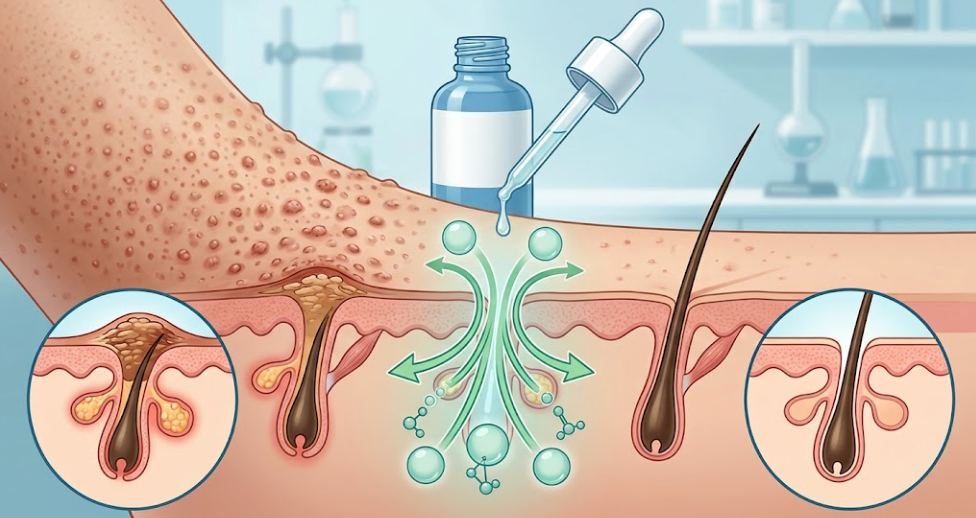
Salicylic acid is a beta hydroxy acid (BHA) that is oil-soluble.
Unlike many skincare ingredients, it can travel into the hair follicle, helping loosen oil, dead skin cells, and debris.
That's why it's commonly recommended for:
acne
blackheads
ingrown hairs
strawberry legs
clogged follicles
Because clogged follicles contribute to strawberry skin, salicylic acid has become one of the most popular ingredients for strawberry skin treatment.
Why Is Salicylic Acid Recommended for Strawberry Skin?
One of the main reasons strawberry skin develops is because hair follicles become filled with:
dead skin cells
oil
keratin
debris
These clogged follicles appear as:
dark dots
rough bumps
enlarged pores
Salicylic acid helps dissolve some of this buildup, allowing follicles to appear cleaner and less noticeable over time.
This makes it particularly effective for people whose strawberry skin is caused by:
frequent shaving
ingrown hairs
oily skin
follicular congestion
Then Why Isn't It Working?
The answer is simple:
Strawberry skin isn't caused by just one problem.
Most people actually have several contributing factors at` the same time.
For example:
keratin buildup
dry skin
shaving irritation
ingrown hairs
genetics
keratosis pilaris
slow skin turnover
Salicylic acid targets only part of the problem.
Reason #1: Your Strawberry Skin Is Actually Keratosis Pilaris
This is one of the most common reasons.
Many people think they have strawberry skin when they actually have keratosis pilaris (KP).
KP develops because excess keratin builds up around hair follicles.
While salicylic acid helps loosen debris inside follicles, it may not fully address persistent keratin plugs on its own.
People with KP often benefit from combining salicylic acid with ingredients like:
lactic acid
glycolic acid
urea
This combination helps improve both exfoliation and hydration.
Reason #2: You're Only Using a Body Wash
This is a very common mistake.
Many salicylic acid body washes remain on the skin for less than one minute before being rinsed away.
Although they help cleanse the skin, they have limited contact time.
If your only treatment is a wash, improvements may be slower than expected.
Leave-on products often provide longer exposure to active ingredients.
Reason #3: You're Expecting Overnight Results
Social media often creates unrealistic expectations.
Some videos promise smoother skin within days.
In reality, healthy skin turnover takes time.
Most people notice:
Weeks 1–2
softer skin
slightly smoother texture
Weeks 4–8
reduced roughness
fewer clogged follicles
Weeks 8–12
visible improvement in strawberry skin
Patience and consistency are essential.
Reason #4: You're Skipping Moisturizer
Many people think:
"If salicylic acid exfoliates my skin, I don't need moisturizer."
This is one of the biggest mistakes.
Exfoliation without hydration can weaken the skin barrier.
This may lead to:
dryness
irritation
redness
rougher-looking skin
Daily moisturizing helps support skin recovery and improves overall texture.
Reason #5: You're Over-Exfoliating
More isn't always better.
Using multiple exfoliating products every day can:
damage the skin barrier
increase sensitivity
cause redness
make bumps appear worse
For most people, gentle exfoliation two to four times per week is sufficient.
Reason #6: Your Shaving Routine Is Causing New Damage
Even if salicylic acid is working, poor shaving habits may continue creating new irritation.
Common mistakes include:
shaving dry skin
using dull razors
shaving too quickly
pressing too hard
skipping shaving cream
These habits can cause:
ingrown hairs
inflamed follicles
razor bumps
new dark dots
As a result, it may seem like salicylic acid isn't working when new irritation is constantly replacing old improvements.
Reason #7: You're Treating Only One Cause
Think of strawberry skin as a puzzle.
Salicylic acid solves one piece.
But the complete picture may also require:
hydration
improved skin turnover
keratin softening
barrier repair
sun protection
better shaving habits
This is why dermatologists often recommend a routine rather than relying on a single ingredient.
Is Salicylic Acid Better Than Lactic Acid?
Not necessarily.
Each ingredient has different strengths.
Salicylic Acid
Best for:
clogged follicles
oily skin
ingrown hairs
dark follicular dots
Lactic Acid
Best for:
dry skin
rough texture
keratosis pilaris
hydration
Many people benefit from using both rather than choosing one over the other.
Salicylic Acid vs. Glycolic Acid
Another common question is whether switching to glycolic acid will produce better results.
The answer depends on what's causing your strawberry skin.
Salicylic Acid
Salicylic acid works inside the hair follicle.
It's especially useful for:
clogged pores
excess oil
ingrown hairs
dark follicular dots
Glycolic Acid
Glycolic acid works mainly on the surface of the skin.
It helps:
remove dead skin cells
improve skin turnover
smooth rough texture
brighten uneven skin tone
If your strawberry skin is primarily caused by clogged follicles, salicylic acid may be the better option.
If rough texture and dullness are your biggest concerns, glycolic acid can be an excellent addition.
Many skincare routines successfully combine both ingredients on alternating days.
Why Combining Ingredients Often Works Better
Strawberry skin rarely has just one cause.
A more effective approach addresses several concerns simultaneously:
Concern | Helpful Ingredients |
Clogged follicles | Salicylic Acid |
Keratin buildup | Lactic Acid |
Rough texture | Glycolic Acid |
Dryness | Ceramides, Glycerin, Urea |
Skin barrier | Moisturizers |
Pigmentation | Sunscreen + Consistent exfoliation |
Rather than searching for one "miracle ingredient," aim for a balanced routine that targets multiple aspects of the condition.
The Ideal Routine for Strawberry Skin
Morning
Cleanse gently if needed.
Apply a lightweight moisturizer.
Use a broad-spectrum SPF 30+ on exposed skin.
Sunscreen helps prevent post-inflammatory pigmentation from becoming darker after shaving or irritation.
Evening
Use a gentle body cleanser.
Apply your exfoliating treatment (such as salicylic acid or a multi-acid product) according to the product instructions.
Finish with a nourishing moisturizer to replenish hydration and support the skin barrier.
Weekly
Exfoliate only 2–4 times per week unless directed otherwise by your product.
Replace razor blades regularly.
Avoid aggressive body scrubs.
Give your skin time to recover between exfoliation sessions.
Remember, healthy skin responds better to consistency than intensity.
Signs Your Routine Is Working
One reason people stop using salicylic acid too early is because they're looking for dramatic overnight changes.
Instead, watch for gradual improvements like:
After 2–3 Weeks
Softer skin
Less dryness
Smoother texture
After 4–8 Weeks
Fewer rough bumps
Reduced follicular congestion
Improved skin feel
After 8–12 Weeks
Less noticeable strawberry legs
More even-looking skin
Healthier overall texture
Small improvements accumulate over time.
When Should You Consider Another Product?
If you've been using salicylic acid consistently for several months with little improvement, ask yourself:
Am I moisturizing daily?
Am I over-exfoliating?
Is my shaving routine causing new irritation?
Could I actually have keratosis pilaris?
Does my product stay on the skin long enough to work?
If the answer to several of these questions is "yes," your routine—not the ingredient—may need adjusting.
A Smarter, Multi-Active Approach to Treating Strawberry Skin & KP
While salicylic acid is one of the best ingredients for unclogging hair follicles, it isn't designed to solve every cause of strawberry skin on its own.
Many people are also dealing with:
excess keratin
uneven skin turnover
rough texture
dryness
a weakened skin barrier
That's why many skincare professionals recommend routines that combine multiple exfoliating ingredients with daily hydration.
TryStrawberry's Advanced Triple-Acid Complex for Keratosis Pilaris follows this multi-active approach by combining exfoliating acids that work together to target different contributors to rough, bumpy skin.
When used consistently as part of a complete skincare routine, it can help:
improve the appearance of strawberry legs
reduce rough texture
smooth skin affected by keratosis pilaris
support healthier-looking skin over time
Instead of relying on a single ingredient, a well-balanced routine that combines targeted exfoliation, moisturization, and proper shaving habits often delivers more noticeable, long-term improvements.
Using Salicylic Acid But Still Seeing Strawberry Skin?
If one ingredient isn't giving you the results you expected, it may be time for a routine that targets multiple causes of strawberry skin—not just clogged follicles.
TryStrawberry's Advanced Triple-Acid Complex combines exfoliating acids to help smooth rough texture, reduce follicular buildup, and improve the appearance of strawberry skin and keratosis pilaris over time.
Shop Advanced Triple-Acid Complex
Support smoother, healthier-looking skin with a complete skincare approach.
Myth vs. Fact
Myth: Salicylic acid should eliminate strawberry skin within a week.
Fact: Most people need several weeks of consistent use before seeing visible improvements.
Myth: If salicylic acid isn't working, stronger products are always the answer.
Fact: Using stronger products too often can damage the skin barrier and worsen irritation.
Myth: Salicylic acid alone can treat every cause of strawberry skin.
Fact: Strawberry skin often involves keratin buildup, dryness, shaving irritation, and genetics, so a complete routine is usually more effective.
Myth: Moisturizer reduces the effectiveness of salicylic acid.
Fact: Moisturizing helps protect the skin barrier and can improve your skin's ability to tolerate exfoliating ingredients.
Frequently Asked Questions
Why isn't salicylic acid getting rid of my strawberry legs?
Your strawberry legs may involve more than clogged follicles. Keratosis pilaris, dry skin, or shaving irritation may also need to be addressed.
How long does salicylic acid take to work?
Most people notice gradual improvements within 4–8 weeks, with more significant changes after 8–12 weeks of consistent use.
Can I use salicylic acid every day?
That depends on the product and your skin's tolerance. Many people do well using it several times a week, while others can tolerate daily use. Follow the product instructions and reduce frequency if irritation develops.
Should I moisturize after using salicylic acid?
Yes. Moisturizing helps support the skin barrier and reduces the risk of dryness or irritation.
Is salicylic acid or lactic acid better for keratosis pilaris?
Both can be beneficial. Salicylic acid targets clogged follicles, while lactic acid helps exfoliate and hydrate rough skin. Many people benefit from products that combine multiple exfoliating ingredients.
Why do my bumps come back after I stop using salicylic acid?
Conditions like keratosis pilaris and chronic follicular buildup often require ongoing maintenance. Consistent skincare helps keep symptoms under control.
Final Thoughts
Salicylic acid has earned its reputation as one of the most effective ingredients for treating strawberry skin, but it's important to have realistic expectations.
If your skin isn't improving as quickly as you'd hoped, it doesn't necessarily mean the ingredient has failed. More often, it means your skin needs a more comprehensive routine.
By combining gentle exfoliation, daily moisturization, proper shaving techniques, and consistent skincare habits, you can address the multiple factors that contribute to strawberry legs and keratosis pilaris.
Instead of asking whether salicylic acid works, the better question is whether your overall routine is giving it the support it needs to deliver the best possible results.
Comments
Log in or sign up to join the conversation.