
Valampuri Vinayagar
is one of the distinctive forms of Lord Ganesha, recognized by the unusual direction of his trunk. While Ganesha is worshipped in many different forms throughout India, the right-curving trunk of Valampuri Vinayagar gives this form a special place in Hindu iconography and devotional traditions.
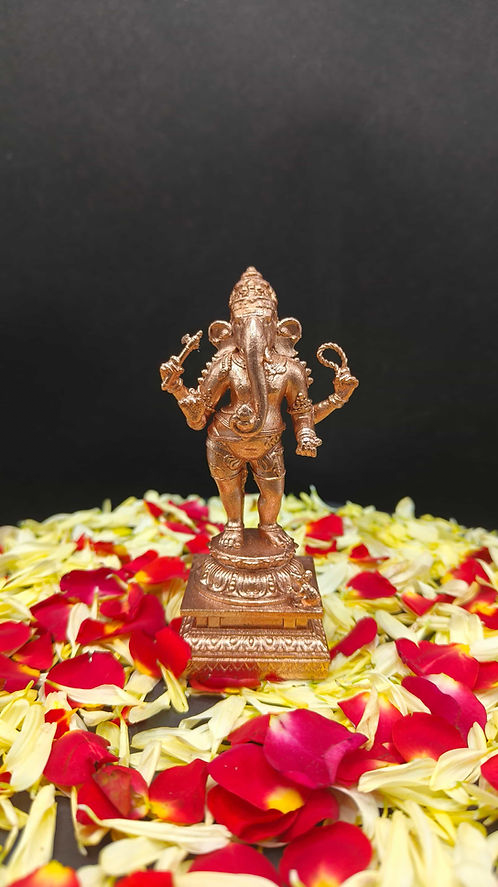
The trunk of Lord Ganesha is an important feature in traditional sculptures, and its direction is often used to identify different forms of the deity. Valampuri Vinayagar is traditionally associated with the trunk curving towards the right, a form connected with spiritual discipline, active energy and focused worship.
For devotees, Lord Ganesha represents wisdom, prosperity, auspicious beginnings and the removal of obstacles. The Valampuri form adds another layer of symbolism through the distinctive rightward curve of the trunk.
1. What Is Valampuri Vinayagar?
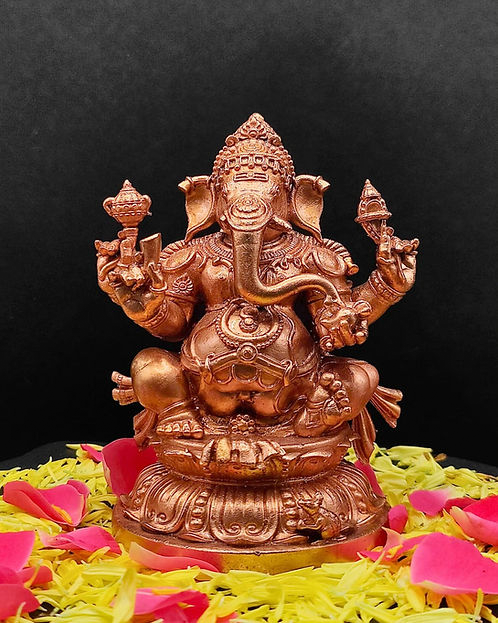
Valampuri Vinayagar is a form of Lord Ganesha in which the trunk curves towards the right side. The word "Valam" in Tamil refers to the right side, and the term Valampuri is commonly used to describe this right-curving form of Vinayagar.
The direction of Ganesha's trunk is an important feature in traditional Hindu iconography. While many Ganesha idols are represented with the trunk curving towards the left, the right-curving form is identified as Valampuri Vinayagar or Valamburi Vinayaka.
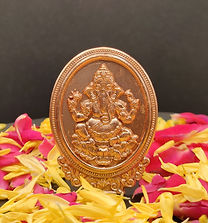
The trunk itself is traditionally associated with intelligence, adaptability and strength. An elephant's trunk can perform both powerful and delicate actions, making it a meaningful symbol of the ability to handle different situations with wisdom and flexibility.
A traditional Valampuri Vinayagar idol therefore represents more than the physical form of Lord Ganesha. The distinctive trunk preserves an important element of Hindu religious art and symbolism.
2. Why Does Valampuri Vinayagar Have a Right-Curving Trunk?
The rightward direction of the trunk is traditionally given special significance in Hindu devotional practices. The right side is often associated with solar energy, activity and movement. Because of this association, Valampuri Vinayagar is traditionally regarded as a form connected with active and focused divine energy.
The symbolism of the right-curving trunk can also be understood through the qualities traditionally associated with Lord Ganesha. Ganesha is known for wisdom and the ability to overcome obstacles, while his trunk represents the intelligent use of strength and adaptability.
The Valampuri form therefore provides a visual representation of purposeful energy and concentration. It reminds devotees that strength becomes meaningful when it is guided by wisdom and discipline.
Different families and temples may follow their own traditions regarding the worship of Valampuri Vinayagar. These customs are part of the diverse devotional practices associated with Lord Ganesha.
3. What Is the Significance of Valampuri Vinayagar in Hindu Tradition?
Lord Ganesha is traditionally worshipped before important activities, ceremonies and new beginnings. He is regarded as Vighneshwara, the remover of obstacles, and is associated with wisdom, knowledge, prosperity and auspiciousness.
Valampuri Vinayagar carries these familiar qualities of Ganesha while also representing a distinctive form through the right-curving trunk. The form is often associated with concentration, discipline and active spiritual energy.
The symbolism becomes especially meaningful when viewed as part of the complete form of Ganesha. His large ears represent attentive listening, his small eyes suggest concentration, and his elephant head represents wisdom and understanding. The curved trunk adds the idea of adaptability and purposeful action.
Together, these features make Valampuri Vinayagar an important example of how traditional Hindu sculptures communicate spiritual ideas through physical characteristics.
4. Valampuri Vinayagar and Pillayarpatti Karpaga Vinayagar
One of the most well-known representations of the right-curving form of Ganesha is Karpaga Vinayagar at Pillayarpatti in Tamil Nadu. The ancient temple is famous for its rock-cut representation of Lord Ganesha, whose trunk curves towards the right.
The Pillayarpatti Karpaga Vinayagar is particularly distinctive because of its ancient rock-cut form and traditional iconography. The temple has remained an important centre of Ganesha worship and is closely connected with the religious and cultural heritage of Tamil Nadu.
The association between Pillayarpatti and the Valampuri form demonstrates how the right-curving representation of Ganesha has been preserved within South Indian temple traditions. For devotees and those interested in Indian sculpture, the image also provides an example of the importance given to individual details in traditional deity art.
The form of Karpaga Vinayagar continues to inspire devotional sculptures, including traditionally crafted bronze and brass representations of Valampuri Vinayagar.
5. Valampuri Vinayagar in Traditional Bronze and Brass Art
Traditional Hindu idols are created with careful attention to the proportions, posture and distinctive features of each deity. In the case of Valampuri Vinayagar, the direction and shape of the trunk are particularly important because they identify the sculpture as the right-curving form of Ganesha.
Bronze and brass have long been valued materials for Indian religious sculptures. Skilled artisans carefully reproduce the facial expression, trunk, ears, hands, ornaments and posture of the deity while maintaining the traditional character of the form.
A traditional bronze or brass Valampuri Vinayagar idol can therefore represent both devotional significance and the craftsmanship of Indian metal sculpture. It can be placed in a home pooja room, temple or spiritual space as a representation of Lord Ganesha and his traditional symbolism.
For devotees interested in traditional Hindu devotional art, collections of bronze and brass Hindu god idols can also be explored at www.idolbronze.com.
Conclusion
Valampuri Vinayagar is a distinctive form of Lord Ganesha, recognized by his right-curving trunk and associated with wisdom, focused energy and disciplined action. This traditional form continues to hold an important place in Hindu devotion and Indian craftsmanship. A traditionally crafted Valampuri Vinayagar idol can bring this spiritual and cultural significance into a home pooja space.
Comments
Log in or sign up to join the conversation.