

Quick Answer
Comparing yourself to other artists is damaging your growth because you're measuring your journey against someone else's timeline, resources, audience, and experience. Constant comparison creates frustration, poor decision making, and unrealistic expectations. Artists who focus on their own progress, audience, and consistency are far more likely to achieve long-term success on Spotify and beyond.

The Trap Almost Every Artist Falls Into
You open Spotify.
You see another artist.
Maybe they:
Started after you
Have fewer songs than you
Make similar music
Yet somehow they have:
More streams
More followers
More playlist placements
More monthly listeners
Immediately, your mind starts racing.
👉 "Why are they growing faster than me?"
👉 "What am I doing wrong?"
👉 "Maybe my music isn't good enough."
This thought process is extremely common.
But it's also one of the fastest ways to sabotage your career.
Because comparison doesn't help you grow.
It distracts you from growth.
Why Do Artists Compare Themselves to Others?
Comparison is natural.
Humans use comparison to:
Measure progress
Evaluate success
Understand their position
But in music, comparison becomes dangerous because:
👉 You're rarely comparing equal situations.
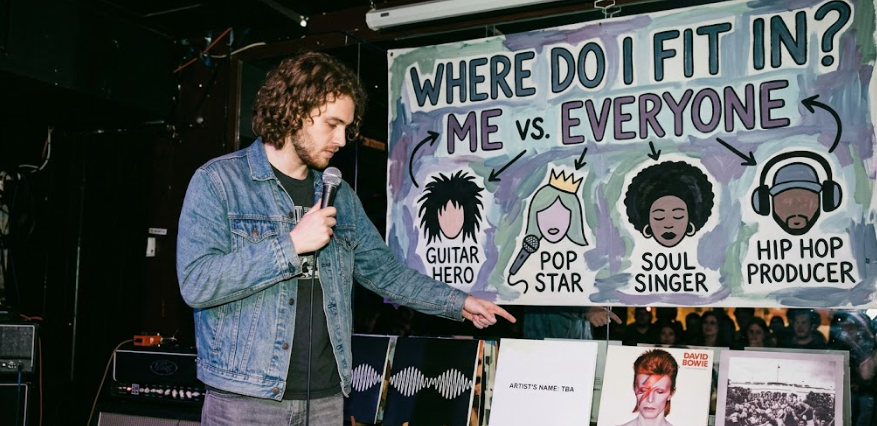
Question: Are You Really Comparing Apples to Apples?
Usually not.
What you see:
Their streams
Their followers
Their playlist placements
What you don't see:
Their budget
Their team
Their marketing
Their connections
Their years of experience
Key Insight
You're comparing your backstage reality to someone else's highlight reel.
Why Comparison Hurts Growth
1. It Creates Unrealistic Expectations
Many artists believe:
👉 "If I release a song, it should perform like theirs."
But growth doesn't work that way.
Every artist has:
Different audiences
Different resources
Different timelines
Question: What Happens When Expectations Become Unrealistic?
You become frustrated.
And frustrated artists often:
Quit too early
Make emotional decisions
Stop creating
2. It Makes You Ignore Your Own Progress
One of the biggest problems with comparison:
👉 It blinds you to your wins.
Example:
Last year:
50 monthly listeners
Today:
500 monthly listeners
That's 10x growth.
But if another artist has 50,000 listeners:
👉 Your brain ignores your progress completely.
Reality Check
Growth should be measured against:
👉 Your past self
Not someone else's current position.
3. It Pushes You Toward Bad Decisions
Many artists copy strategies simply because they worked for someone else.
Examples:
Copying another artists content style
Copying another artists release schedule
Copying another artists branding
Why This Is Dangerous
Because what works for them may not work for you.
Question: Should You Learn From Other Artists?
Absolutely.
But:
👉 Learn, don't imitate.
4. It Kills Creativity
The more you compare:
The more you start asking:
👉 "What is working for them?"
Instead of:
👉 "What makes me unique?"
Why Originality Matters
Fans don't remember copies.
Fans remember:
Personality
Authenticity
Unique perspective
The Hidden Cost of Comparison
Most artists think comparison only affects confidence.
But it affects much more.
Comparison Leads To
Creative burnout
Lack of consistency
Anxiety
Impatience
Poor decision making
Question: What Happens When You Constantly Compare?
You stop focusing on:
Music quality
Audience growth
Long-term strategy
And start obsessing over:
Vanity metrics
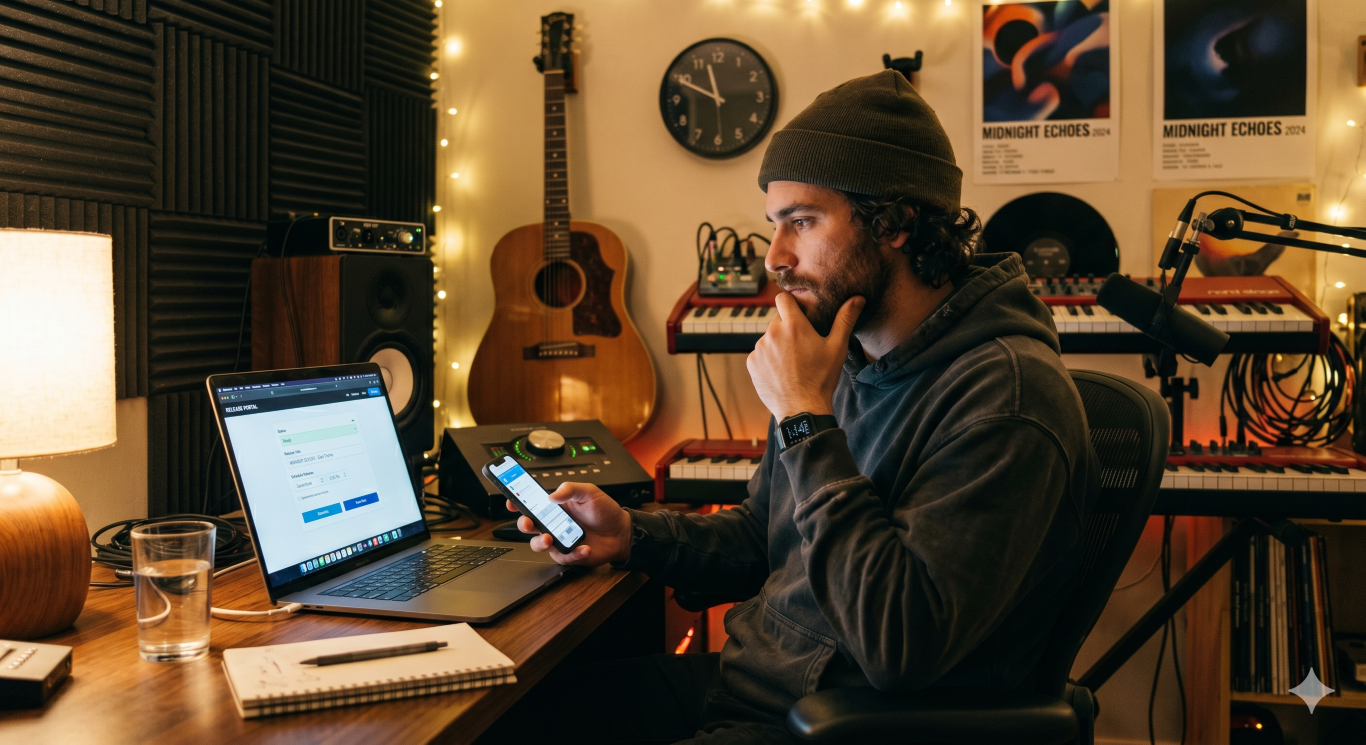
What Spotify Actually Rewards
Spotify doesn't compare artists.
The algorithm evaluates:
Listener behavior
Saves
Retention
Engagement
Important Insight
Spotify does not care:
❌ Whether another artist is bigger
Spotify cares:
✅ How listeners react to your music
Vet Insight: What Successful Artists Understand
Artists who achieve sustainable growth understand:
👉 Growth isn't a race.
It's a process.
Professional Perspective
The best artists focus on:
Improving every release
Building audience relationships
Learning from data
Staying consistent
Industry Truth
Most overnight successes took years.
You only noticed them when they became visible.
Case Study: Slow Growth Often Wins
Many independent artists who eventually reach:
100,000 monthly listeners
Editorial playlists
Significant income
Started with:
10 listeners
50 streams
Minimal engagement
What Separated Them?
Not talent alone.
👉 Persistence.
How To: Stop Comparing Yourself to Other Artists
Step 1: Compare Against Your Previous Results
Ask:
Are my streams increasing?
Are my saves improving?
Are my followers growing?
Step 2: Track Meaningful Metrics
Focus on:
Save rate
Followers
Listener retention
Monthly listener growth
Step 3: Build Your Own Timeline
Not every artist grows at the same speed.
That's normal.
Step 4: Focus on Fans, Not Competitors
Your audience matters more than another artist's audience.
Step 5: Learn Without Obsessing
Study successful artists.
But don't measure your worth against them.

How GPM Music Group Helps Artists Focus on Growth
One reason artists compare themselves too much is:
👉 They lack a clear growth strategy.
Without a system:
Every artist's success feels like a personal failure.
What GPM Music Group Focuses On
GPM Music Group helps artists focus on:
Organic Spotify growth
Real Spotify promotion
Playlist promotion for artists
Audience development
Why This Matters
Instead of asking:
👉 "Why is that artist growing?"
You start asking:
👉 "How can I improve my own growth?"
No Fake Numbers
GPM Music Group emphasizes:
No bot Spotify streams
Safe Spotify playlisting
Because sustainable growth comes from:👉 Real listeners
Not vanity metrics.
Myth vs Fact
❌ Myth: Bigger artists are always better
✅ Fact: Bigger artists often just started earlier or invested differently.
❌ Myth: Fast growth is normal
✅ Fact: Most growth happens slowly.
❌ Myth: More streams equal more success
✅ Fact: Audience retention matters more.
❌ Myth: You should copy successful artists
✅ Fact: You should learn from them while staying authentic.
Best Solution Summary
If comparison is hurting your motivation:
Stop measuring:
Their streams
Their followers
Their playlists
Start measuring:
Your progress
Your consistency
Your audience growth
What Actually Builds Careers
Consistency
Patience
Real Spotify promotion
Audience connection
Organic Spotify growth
Question Based Insights
Why Do Artists Compare Themselves To Others?
Because streams and followers are public metrics that create easy but often misleading comparisons.
Is Comparing Yourself To Other Artists Bad?
Occasional comparison can provide insight, but constant comparison often harms creativity and motivation.
How Do Successful Artists Avoid Comparison?
They focus on improving their own metrics and audience relationships.
Why Does Comparison Hurt Spotify Growth?
Because it distracts artists from consistency and long-term strategy.
What Should Artists Focus On Instead?
Audience growth, engagement, music quality, and consistency.
FAQ Section
1. Is it normal to compare yourself to other artists?
Yes. Almost every artist does it. The key is not letting it control your decisions.
2. Why do other artists seem to grow faster?
They may have more experience, larger budgets, stronger marketing, or simply started earlier.
3. Should I stop looking at other artists completely?
No. Learn from them, but don't measure your self-worth against them.
4. What metric should I focus on most?
Focus on growth relative to your own previous performance.
5. Does Spotify compare artists against each other?
No. Spotify evaluates listener engagement and behavior for each artist individually.

Final Thoughts: Your Biggest Competition Is Your Previous Self
The artist you should compare yourself to isn't:
❌ The artist with 1 million listeners
It's:
✅ The artist you were six months ago.
Because real growth happens when you focus on:
Improving your music
Building your audience
Staying consistent
Final Question
👉 Are you spending more time watching other artists grow... or building your own growth?
Conclusion
Comparison feels productive.
But most of the time:
👉 It's just a distraction.
The artists who win aren't always the most talented.
They're often the ones who:
Stay patient
Stay focused
Keep releasing
Keep improving
Because in music:
🚀 Growth comes from consistency, not comparison.
Comments
Log in or sign up to join the conversation.