

Cities continue to grow. Industrial zones expand. Residential communities become larger and more connected. While these developments create economic opportunities and improve living standards, they also generate increasing amounts of wastewater and liquid waste that must be managed responsibly.
Modern waste management is no longer limited to collecting garbage and transporting it to disposal facilities. It involves complex systems designed to protect public health, preserve environmental quality, and support sustainable urban development. Among the many components that contribute to this process, specialized liquid waste transportation equipment plays a crucial role.
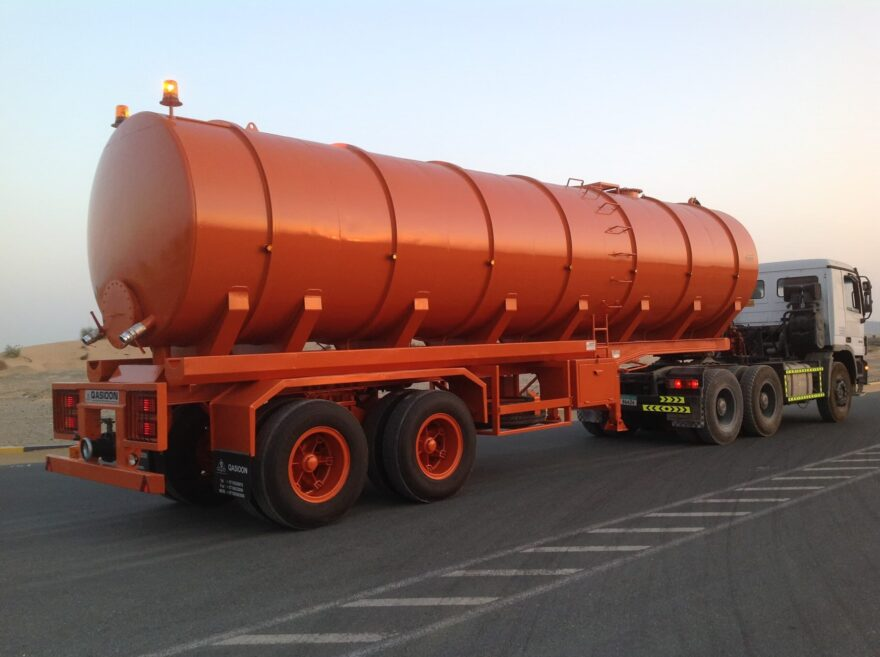
An efficient Sewage Tanker UAE solution helps municipalities, contractors, commercial facilities, and industrial operators safely collect, transport, and dispose of wastewater. Without such equipment, communities would face significant sanitation challenges that could impact both the environment and daily life.
As urbanization continues across the region, the importance of reliable waste management infrastructure becomes even more evident.
The Growing Importance of Wastewater Management
Every residential community, commercial building, industrial facility, and construction site generates wastewater. Proper handling of this waste is essential to maintaining hygiene standards and preventing environmental contamination.
Modern cities rely on organized systems that ensure wastewater is removed efficiently and transported to appropriate treatment facilities. This process protects water resources, reduces pollution risks, and supports healthier living conditions.
Transportation equipment designed specifically for liquid waste plays a vital role within this framework by enabling safe and controlled movement of wastewater from collection points to treatment locations.
Supporting Urban Expansion
Rapid urban growth often places additional pressure on existing infrastructure. As new developments emerge, wastewater management requirements increase significantly.
Specialized transport vehicles help bridge infrastructure gaps by providing flexible solutions for areas where permanent systems may still be under development.
This capability allows growing communities to maintain sanitation standards while supporting continued expansion and development.
Maintaining Public Health Standards
One of the primary objectives of waste management is protecting public health. Improper handling of wastewater can create serious risks for communities by contributing to the spread of harmful contaminants.
Effective collection and transportation systems help prevent exposure to hazardous materials while ensuring waste reaches authorized treatment facilities.
Reliable liquid waste transport solutions support these efforts by minimizing leaks, spills, and other operational risks that could compromise safety.
Reducing Environmental Exposure
Wastewater contains substances that require careful handling. Without appropriate transportation methods, contaminants can enter soil, waterways, or public spaces.
Specialized equipment is designed to reduce these risks through secure containment and controlled transportation processes.
By minimizing environmental exposure, waste management operators can support cleaner and healthier communities.
Supporting Commercial and Industrial Operations
Businesses across various industries generate significant quantities of liquid waste during daily operations. Manufacturing facilities, hospitality establishments, healthcare institutions, and commercial complexes all require dependable waste management services.
Efficient transportation equipment enables these organizations to maintain compliance with sanitation requirements while supporting uninterrupted business operations.
Reliable waste collection schedules help businesses avoid operational disruptions and maintain safe working environments.
Improving Operational Efficiency
Time is a valuable resource for every organization. Delays in waste removal can affect productivity, create logistical challenges, and increase operational costs.
Modern liquid waste transport systems help streamline collection processes and improve service reliability.
This efficiency allows businesses to focus on their primary activities while ensuring waste management responsibilities are handled effectively.
Protecting Environmental Sustainability
Environmental responsibility has become a major priority for governments, businesses, and communities. Effective wastewater management contributes directly to sustainability objectives by preventing contamination and supporting responsible resource management.
Proper transportation and disposal practices help reduce pollution while protecting natural ecosystems.
As environmental regulations continue to evolve, organizations increasingly seek waste management solutions that align with sustainability goals.
Supporting Responsible Disposal Practices
Waste transportation is only one part of the overall management process. Equally important is ensuring that collected materials reach appropriate treatment or disposal facilities.
Specialized equipment helps facilitate this process by maintaining secure containment throughout transportation.
Responsible disposal practices contribute to long-term environmental protection and support broader sustainability initiatives.
Addressing Challenges in Construction Projects
Construction sites often generate substantial quantities of wastewater that require proper handling. Temporary facilities, site activities, and workforce accommodations can all create sanitation requirements.
Reliable transportation equipment helps contractors manage these needs efficiently throughout project lifecycles.
By maintaining effective waste management practices, construction teams can improve site conditions and support regulatory compliance.
Enhancing Site Management
Well-organized waste management contributes to safer and more productive construction environments.
Regular collection services help reduce operational challenges while supporting better site hygiene and worker comfort.
Efficient waste removal also helps project managers maintain professional standards and avoid unnecessary disruptions.
The Role of Technology in Modern Waste Management
Advancements in engineering and vehicle design have transformed waste transportation capabilities. Modern systems are equipped with features that improve performance, safety, and reliability.
Enhanced storage capacity, improved pumping mechanisms, and advanced monitoring technologies help operators manage wastewater more effectively.
These innovations contribute to higher service standards and improved operational outcomes.
Increasing Reliability and Performance
Equipment reliability is essential in waste management operations. Unexpected breakdowns can disrupt collection schedules and create logistical complications.
Modern designs focus on durability and operational consistency, helping service providers maintain dependable performance even under demanding conditions.
Reliable equipment supports efficient service delivery and improves customer satisfaction.
Supporting Emergency Response and Specialized Services
Waste management requirements are not always predictable. Emergencies, infrastructure maintenance projects, and unexpected operational situations may create urgent transportation needs.
Specialized liquid waste transport solutions provide the flexibility necessary to respond quickly to changing circumstances.
This adaptability helps organizations manage challenges effectively while maintaining essential sanitation services.
Responding to Unique Operational Requirements
Different environments present different waste management challenges. Industrial sites, remote facilities, and large public events may require customized transportation approaches.
Specialized equipment allows operators to address these diverse requirements while maintaining safety and efficiency.
The ability to adapt to unique situations contributes to more resilient waste management systems.
Contributing to Long-Term Infrastructure Development
Sustainable urban growth depends on effective infrastructure planning. Waste management forms a critical part of this foundation, supporting both current needs and future development objectives.
Transportation equipment helps ensure that wastewater can be managed effectively as populations and industries continue to expand.
Strong waste management capabilities support economic growth while helping communities maintain high standards of cleanliness and public health.
Building More Resilient Communities
Reliable sanitation systems contribute directly to community well-being. Effective waste transportation helps cities and industries operate smoothly while reducing environmental and health-related risks.
Investments in quality equipment strengthen infrastructure resilience and support long-term development goals.
As communities continue to evolve, dependable waste management solutions will remain essential components of sustainable growth.
Conclusion
Modern waste management requires more than simple collection and disposal methods. It depends on integrated systems capable of protecting public health, supporting environmental sustainability, and meeting the demands of growing urban and industrial environments.
A dependable Sewage Tanker UAE solution plays a crucial role in achieving these objectives by enabling safe and efficient transportation of wastewater. From supporting construction projects and commercial operations to helping municipalities maintain sanitation standards, these systems contribute significantly to everyday life.
Alongside services involving a Vacuum Tanker UAE, effective wastewater transportation remains a cornerstone of responsible waste management, helping communities maintain cleanliness, protect natural resources, and support sustainable development for the future.
Comments
Log in or sign up to join the conversation.