
Learn how hand tools help improve efficiency, accuracy, and productivity in construction, manufacturing, maintenance, and technical work.
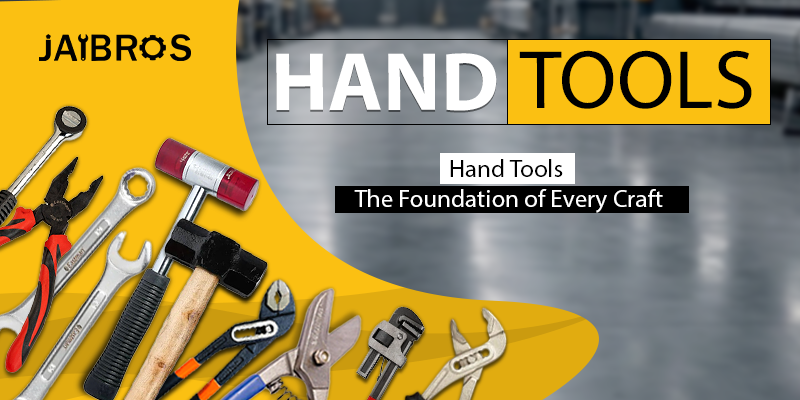
Why Hand Tools Continue to Be Trusted Across Industries
In a time when automation and robotics are making changes in work environments, there still is a place for conventional instruments within various industries. Indeed, modern businesses are using highly sophisticated machinery to boost the efficiency and productivity of their operations but many activities require a degree of flexibility and control that such equipment may lack. This is one of the factors which makes hand tools indispensable in industrial applications. No matter if it comes to repairing some piece of machinery or installing something new, professionals use manual instruments for these purposes.
This trust in traditional instruments has been earned over years of efficient operation. Whether in construction, workshop, factory, maintenance department – employees find them convenient and efficient. Indeed, despite rapid technological advancements, conventional equipment is still important since it can be used in any circumstances without the need for complicated setups and sophisticated mechanisms.
Simplicity and Reliability Make a Difference
Another important factor which makes many companies prefer using manual machines is simplicity. While advanced machines need software installations and require the skill of an engineer to be operated, simple machines are very easy to use. This simplicity helps workers perform their duties effectively and swiftly.
Some of the key advantages include:
Easy operation with minimal training
Low maintenance requirements
Quick availability during urgent tasks
Consistent performance in different environments
Reduced risk of technical failures
Because of these benefits, businesses can maintain productivity without worrying about downtime caused by complex machinery.
Versatility Across Multiple Sectors
Another reason the hand tool remains trusted is its ability to perform a wide variety of tasks. Different industries face unique challenges, and versatile equipment allows workers to handle those challenges effectively.
Industries that regularly depend on such equipment include:
Construction
Manufacturing
Automotive repair
Electrical services
Plumbing
Agriculture
HVAC maintenance
Telecommunications
In many situations, larger machines cannot access confined spaces or perform delicate operations. Manual equipment provides the flexibility needed to work in tight areas and complete tasks that require detailed attention.
Cost-Effective for Businesses of All Sizes
Managing operational expenses is a priority for every business. Traditional equipment offers excellent value because it delivers dependable performance without requiring major investments.
Benefits from a financial perspective include:
Lower purchasing costs
Reduced maintenance expenses
Long service life
Affordable replacements
Minimal operating costs
Many organizations compare the hand tool price with the cost of specialized machinery and find manual equipment to be a more economical option for routine tasks. This affordability helps businesses maintain efficiency while controlling budgets.
Precision and Control for Technical Tasks
Many industrial applications require accuracy that can only be achieved through direct human involvement. Automated systems are ideal for repetitive work, but certain jobs demand precise adjustments and careful handling.
Manual equipment helps professionals:
Tighten components accurately
Perform detailed inspections
Complete delicate repairs
Handle customized installations
Make fine adjustments when necessary
This level of control is one reason the hand tool continues to be trusted by technicians, engineers, and skilled workers across various industries.
Essential for Maintenance and Repair Work
Maintenance teams are responsible for keeping equipment and facilities running smoothly. Regardless of technological advancements, repair and servicing tasks still require dependable equipment that can be used immediately.
Common maintenance activities include:
Equipment inspections
Fastener adjustments
Component replacement
Preventive servicing
Mechanical troubleshooting
Most organizations maintain a dedicated hand tool kit to ensure technicians can respond quickly to routine maintenance needs and unexpected breakdowns. Having the right equipment available improves efficiency and minimizes downtime.
Durability Supports Long-Term Use
Industrial environments can be challenging. Equipment is often exposed to heavy workloads, dust, moisture, and varying temperatures. Professionals need tools that can withstand these conditions without compromising performance.
High-quality hand tools provide several durability benefits:
Resistance to wear and tear
Reliable operation under demanding conditions
Extended lifespan
Consistent performance over time
Reduced replacement frequency
Their durability allows businesses to maximize return on investment while maintaining dependable operations.
Enhancing Workplace Safety
Safety remains a top priority in every industry. Properly designed equipment helps workers perform tasks more safely and effectively. Reliable tools reduce the chances of errors and improve overall workplace efficiency.
Safety advantages include:
Better grip and handling
Improved operational control
Greater accuracy during repairs
Reduced risk of equipment misuse
Enhanced worker confidence
When employees use dependable equipment designed for specific tasks, the likelihood of accidents and operational errors decreases significantly.
Useful in Remote and Challenging Locations
Not all work environments have access to electricity or advanced machinery. Construction sites, agricultural operations, and field maintenance projects often require portable solutions that can function anywhere.
Advantages in remote locations include:
No reliance on power sources
Easy transportation
Immediate usability
Simple storage requirements
Reliable performance outdoors
These qualities make manual equipment highly valuable for professionals working in locations where access to machinery may be limited.
Supporting Skilled Craftsmanship
Even in highly automated industries, craftsmanship remains important. Skilled workers often prefer equipment that allows them to apply their expertise directly rather than depending entirely on machines.
Manual equipment helps professionals:
Improve workmanship quality
Create customized solutions
Maintain greater task control
Apply technical skills effectively
Achieve higher levels of accuracy
The combination of experience and dependable equipment continues to deliver outstanding results across a wide range of industries.
The Future of Traditional Industrial Equipment
As technology advances, traditional equipment is expected to evolve alongside it rather than disappear. Manufacturers are continuously improving designs to enhance performance, comfort, and durability.
Future developments may include:
Lightweight materials
Improved ergonomic designs
Enhanced durability
Better user comfort
Increased efficiency
Businesses still evaluate the hand tool price when planning investments because these tools offer long-term value and dependable performance. Their practicality ensures they will remain relevant even as workplaces become more technologically advanced.
Conclusion
This is attributed to the dependability, versatility, durability, precision, and affordability of hand tools. Despite the rapid advancements in automation and modern industrial technologies, many tasks still require the control, flexibility, and accuracy that only manual equipment can provide. From manufacturing and maintenance to construction and repair work, hand tools continue to play a critical role in ensuring efficient and high-quality operations.
As industries continue to evolve, the demand for reliable tools will remain strong. Jaibros continues to support professionals with quality products designed to meet the changing requirements of modern workplaces. By delivering dependable solutions that enhance productivity and performance, Jaibros helps businesses and skilled workers tackle a wide range of industrial and technical tasks with confidence.
FAQs
1. Why are hand-operated tools still important today?
They provide flexibility, precision, and control for tasks that require human expertise and detailed workmanship.
2. Which industries use these tools the most?
Construction, manufacturing, automotive, electrical, plumbing, maintenance, and agricultural sectors rely on them extensively.
3. Are manual tools cost-effective?
Yes, they typically have lower purchase and maintenance costs compared to specialized machinery.
4. How do they improve productivity?
They allow workers to perform repairs, adjustments, and installations quickly without complicated setup procedures.
5. What factors should businesses consider before purchasing?
Durability, quality, ergonomics, intended application, and long-term value should all be considered.
Comments
Log in or sign up to join the conversation.