
Discover why hand tools are essential for technical work, improving precision, safety, productivity, and maintenance efficiency across industries.
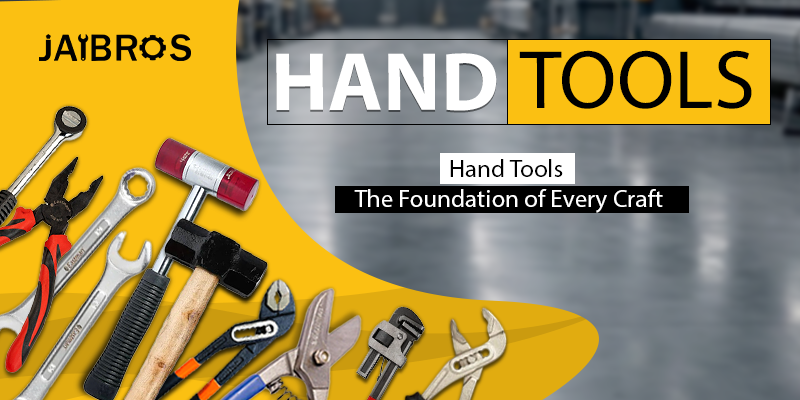
Why Hand Tools Are Important for Effective Technical Work
Efficiency and precision are necessary aspects of technical tasks. No matter what repair, installation, assembling, or even maintenance tasks we are talking about, efficiency and precision are necessary elements for completing the work. Nowadays, thanks to technology, automation, and smart manufacturing, it is possible for industries to increase their efficiency. Yet, despite all the development that has been made, manual equipment still remains one of the instruments used in technical works.
It happens that there are situations when machines cannot deliver the required precision to the process, and at that moment it becomes necessary to apply a hand tool, and thus, it becomes a helpful instrument for technical work.
Precision Is Essential in Technical Work
There are many reasons why manually operated equipment is helpful, but perhaps the most crucial is the accuracy that such tools can afford. In the process of handling technical equipment, one is bound to encounter situations that require the handling of minute components and precise operations. If anything goes wrong, then the equipment will not work.
Manual equipment supports precision by offering:
Better control over movements
Accurate adjustment of components
Improved assembly quality
Reduced chances of mistakes
Greater consistency in work results
A quality hand tool enables technicians to focus on accuracy, which is especially important in industries where performance and reliability are critical. By maintaining precision, organizations can reduce errors and improve overall productivity.
Supporting Routine Maintenance and Repairs
Routine maintenance is essential in ensuring that machines and equipment are running efficiently. If the right maintenance services are not provided, there could be too much wear, breakdowns and inefficiencies. Manual equipment is used by maintenance staff to assess and repair faulty machinery before major problems arise.
Common maintenance activities include:
Tightening loose parts
Replacing worn components
Inspecting equipment conditions
Adjusting machine settings
Performing preventive maintenance checks
These activities help extend equipment lifespan and minimize downtime. Technicians often depend on a well-organized hand tool kit because it provides quick access to essential items needed for maintenance and repair tasks.
Improving Productivity in the Workplace
Productivity is a major objective in every technical environment. Delays caused by equipment failures or inefficient work processes can affect overall business performance. Manual equipment helps workers respond quickly to problems and complete tasks more effectively.
Benefits that contribute to higher productivity include:
Faster troubleshooting
Reduced operational interruptions
Improved workflow efficiency
Quick completion of repair work
Better utilization of resources
A reliable hand tool allows technicians to solve problems immediately without waiting for specialized equipment or external assistance. This flexibility helps organizations maintain smooth operations and achieve their production goals.
Enhancing Safety During Technical Operations
Workplace safety is a top priority in technical industries. Employees often work with machinery, electrical systems, and heavy equipment, making it important to use reliable and appropriate tools. Properly designed manual equipment helps workers perform tasks safely while minimizing risks.
Safety advantages include:
Better grip and handling
Improved operational control
Reduced likelihood of slipping
Lower risk of equipment damage
Increased worker confidence
When technicians have access to quality equipment, they can perform their duties more safely and effectively. This not only protects employees but also helps businesses reduce workplace incidents and associated costs.
Useful Across Multiple Industries
The versatility of manual equipment is one of its greatest strengths. It is used in a wide variety of industries and applications, making it an essential resource for technical professionals.
Manufacturing Industry
In manufacturing facilities, manual equipment is commonly used for:
Machine servicing
Equipment assembly
Production line adjustments
Quality inspections
Construction Industry
Construction professionals use manual equipment for:
Structural installations
Finishing work
Material adjustments
Site maintenance
Automotive Industry
Automotive technicians rely on manual equipment for:
Vehicle maintenance
Engine repairs
Component replacement
Mechanical inspections
Electrical Industry
Electricians use manual equipment for:
Wiring projects
Equipment installation
System testing
Maintenance procedures
Because of their adaptability, hand tools continue to support technical operations across diverse working environments.
Cost-Effective Solutions for Businesses
Every organization seeks practical ways to manage costs while maintaining operational efficiency. Compared to large machines and specialized systems, manual equipment offers a highly economical solution. Most products are durable, require minimal maintenance, and can remain functional for many years.
Some financial benefits include:
Lower investment requirements
Reduced maintenance expenses
Long-term durability
Improved productivity
Better return on investment
Before purchasing equipment, many organizations compare hand tool price options to identify products that offer the best balance between affordability and performance. Choosing quality equipment often leads to significant long-term savings.
Supporting Technical Skill Development
Technical expertise is built through practical experience. While theoretical knowledge is important, hands-on work allows professionals to understand equipment behavior, maintenance requirements, and troubleshooting methods more effectively.
Manual equipment helps technicians develop:
Problem-solving abilities
Mechanical understanding
Diagnostic skills
Repair expertise
Professional confidence
By working directly with equipment and systems, technicians gain valuable experience that improves their performance and career growth. Practical exposure also helps workers adapt to new challenges more efficiently.
Essential During Emergency Situations
Unexpected equipment failures can occur without warning. When this happens, organizations need technicians who can respond quickly and restore operations. Manual equipment is often the first resource used during emergency repairs because it allows immediate access and action.
Benefits during emergency maintenance include:
Rapid fault identification
Faster repair completion
Reduced production losses
Improved equipment availability
Better operational continuity
A dependable hand tool enables technicians to address urgent issues effectively, helping businesses avoid prolonged downtime and costly disruptions.
Factors to Consider Before Purchasing Equipment
Selecting the right equipment is essential for achieving the best results. Not all products offer the same level of quality, durability, or performance. Technical professionals should evaluate several factors before making a purchase.
Important considerations include:
Material quality
Durability
Ergonomic design
Ease of use
Intended application
Brand reputation
Many buyers carefully evaluate hand tool price alongside product specifications to ensure they receive maximum value from their investment. Choosing reliable equipment can improve productivity and reduce replacement costs over time.
The Continuing Importance of Manual Equipment
While the use of technology is constantly revolutionizing industries, manual equipment cannot be overlooked. Automation proves to be quite efficient in executing tasks that need to be done repeatedly; however, in the case of technical processes, human discretion, flexibility, and accuracy is essential and, therefore, manual equipment becomes useful.
The function of manual equipment is not going to be less important as industries develop further. In order to become more effective, companies should combine modern technology with good-old manual equipment.
Conclusion
Technical works depend on accuracy, efficiency, safety, and reliability. In spite of the increasing use of automation and intelligent systems, manual equipment is an integral element of industry and technical processes. The high-quality hand tool allows a technician to carry out the work more accurately and confidently.
The variety of technical operations such as manufacturing process, construction works, automobile services and even electric installation requires hand tools. High-quality tools are cost-effective and useful possessions of any professional. Companies who want to increase their productivity, improve the safety level of the working process and decrease costs can choose high-quality equipment. The best way to find industrial equipment is Jaibros.
FAQs
1. Why are manual tools important in technical work?
They provide precision, control, and flexibility for maintenance, repair, and installation activities.
2. How do manual tools improve productivity?
They help technicians perform tasks quickly, reducing downtime and improving workflow efficiency.
3. Which industries commonly use manual tools?
Manufacturing, construction, automotive, electrical, and maintenance industries use them extensively.
4. What should be considered before buying technical equipment?
Quality, durability, usability, intended application, and long-term value should be evaluated.
5. Can quality equipment improve workplace safety?
Yes, reliable equipment offers better control and handling, helping reduce risks and support safer operations.
Comments
Log in or sign up to join the conversation.