

For many industrial companies, the most important milestone is not breaking ground on a new facility or announcing the next phase of expansion. It is the moment when years of investment begin producing measurable commercial results. Investors often celebrate vision, but markets ultimately reward execution. The transition between those two phases is frequently where companies are revalued—and where the greatest uncertainty also exists.
That uncertainty creates what might be described as an execution gap. During this period, businesses have assembled the assets needed for growth but have not yet accumulated the financial history that allows investors to evaluate them as mature operating companies. Traditional valuation metrics often struggle to capture what operational momentum is worth before it becomes fully reflected in revenue, margins, and cash flow.
RenX Enterprises Corp. (NASDAQ: RENX) appears to be entering that stage of its development.
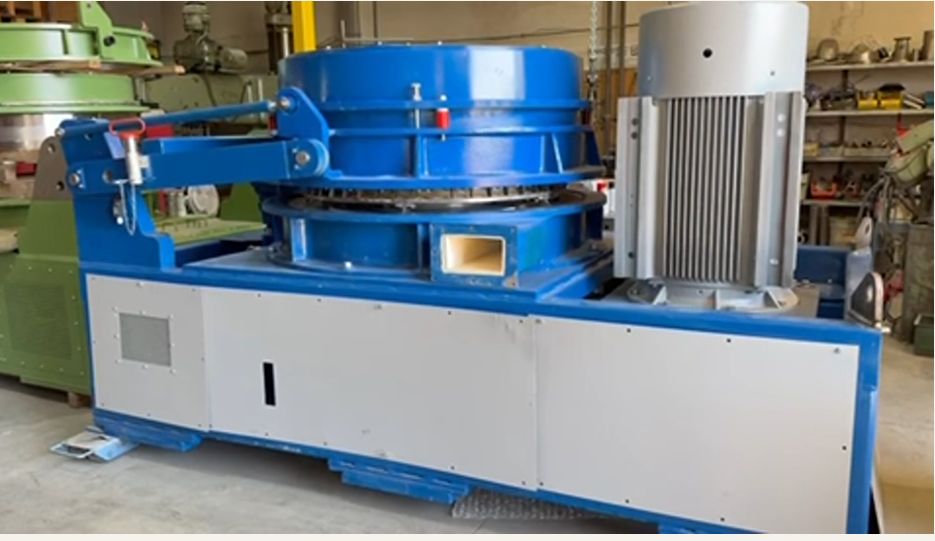
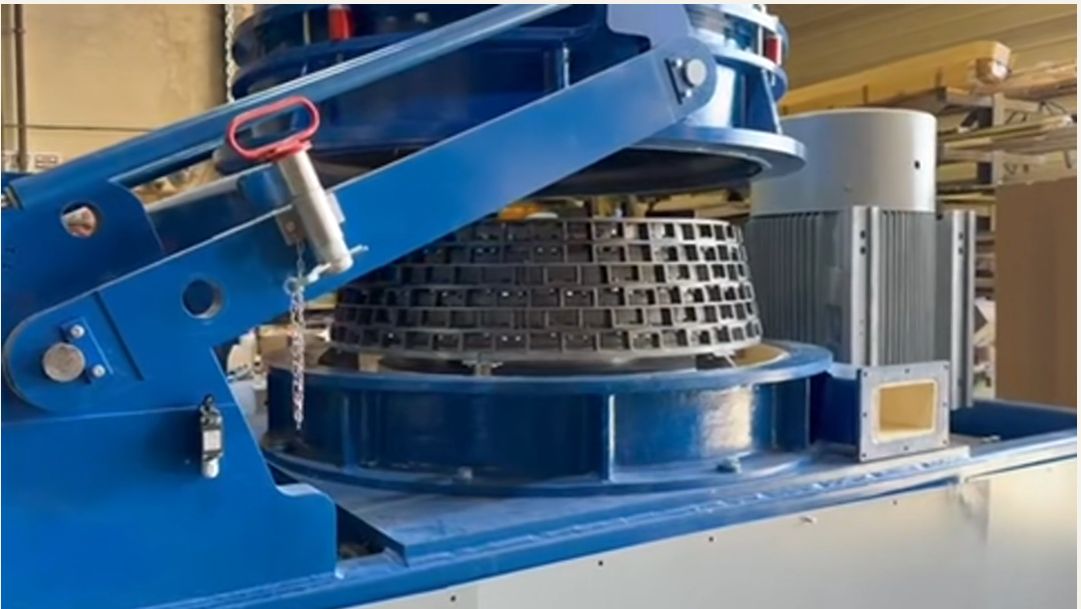
Much of the past year has been spent assembling the foundation for a broader agricultural infrastructure business. The company has expanded operations at its Myakka City facility, advanced commercialization plans for its licensed Microtec UTM 1200 Turbo Mill, strengthened its logistics capabilities through Zimmer Equipment, continued developing engineered growing media and specialty agricultural products, and improved its capital structure through the elimination of approximately $7 million of debt via equity conversion.
Viewed individually, each development represents incremental progress. Viewed collectively, they suggest something more significant. The discussion surrounding RenX is gradually shifting away from what the company intends to build and toward how effectively those investments can be converted into sustained operating performance.
That distinction matters because industrial companies rarely create lasting value through a single asset or technology. Competitive advantages are more often established through disciplined execution. Processing facilities must generate throughput. Logistics networks must support customer delivery. Manufacturing assets must produce commercially viable products at consistent quality and scale. Balance-sheet improvements must provide flexibility to continue investing without compromising long-term financial discipline.
Recent operational milestones suggest RenX is beginning to move into that phase. Record quarterly deliveries at Myakka City point to increasing activity rather than simple capacity. Independent drone verification of approximately 185,000 cubic yards of inventory reinforces the tangible nature of the company's operating base. Site preparation continues ahead of the arrival of the Microtec milling system, while the expansion of Zimmer Equipment strengthens another component of the company's integrated operating model.
These developments may not generate the excitement of a headline acquisition or breakthrough technology announcement. They do, however, represent the type of operational progress investors often monitor closely as industrial businesses transition from construction to commercialization.
The broader market environment may also be becoming more supportive of companies pursuing domestic agricultural infrastructure. Recent policy actions in Washington surrounding fertilizer availability have reinforced a growing emphasis on resilient supply chains, regional processing capacity, and the industrial systems supporting American agriculture. While those developments extend well beyond any single company, they highlight a broader shift toward valuing the infrastructure that enables agricultural production rather than focusing exclusively on production itself.
For investors, the key question is becoming increasingly straightforward. The issue is no longer whether RenX has assembled the necessary components of its operating platform. Recent announcements suggest meaningful progress on that front. The more important question is whether management can continue converting those assets into measurable commercial execution over the coming quarters.
That is often the point at which industrial businesses begin to be evaluated differently. Markets generally assign greater value to demonstrated execution than to projected opportunity because successful execution reduces uncertainty. As uncertainty declines, valuation frameworks often begin to change as well.
Whether RenX ultimately reaches that point remains to be seen. But the company appears to be entering the stage where operating performance—not future planning—is likely to become the primary driver of investor attention.
For industrial businesses, that transition is rarely just another milestone.
It is often the catalyst that matters most.


Comments
Log in or sign up to join the conversation.