

How Chamfering Tools Improve Efficiency and Precision in CNC Workshops
In today's competitive manufacturing environment, precision and efficiency are essential for every CNC workshop. While much attention is given to cutting speeds, tooling materials, and machine capabilities, one important tool is often overlooked—the chamfering tool. Chamfering may seem like a small finishing operation, but it plays a crucial role in improving part quality, safety, and production efficiency.
Whether a workshop produces automotive components, aerospace parts, industrial equipment, or custom-machined products, proper edge finishing is necessary to meet quality standards. This is where a chamfer tool becomes an indispensable part of the machining process.
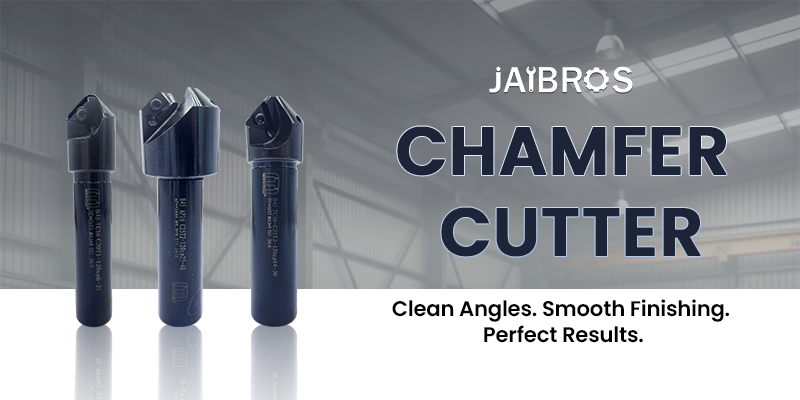
A high-quality chamfering solution helps remove sharp edges, improve assembly, reduce stress concentrations, and create a professional finish. In this guide, we'll explore why every CNC workshop should invest in reliable chamfering tools and how they contribute to overall manufacturing success.
What Is a Chamfer Tool?
A chamfering tool is a cutting instrument designed to create angled or beveled edges on a workpiece. Instead of leaving sharp 90-degree corners after machining, the tool removes a small amount of material to form a smooth edge.
Chamfering is commonly used to:
Remove sharp edges
Improve product appearance
Prepare components for assembly
Reduce burrs
Enhance safety
Improve weld preparation
A properly selected chamfer tool allows workshops to achieve consistent edge quality while reducing the need for manual finishing operations.
The Importance of Edge Finishing in CNC Machining
Many manufacturers focus primarily on dimensional accuracy, but edge quality is equally important.
Poorly finished edges can lead to:
Assembly difficulties
Safety hazards
Increased wear
Product rejection
Customer dissatisfaction
Chamfering ensures that machined parts are ready for use, assembly, or further processing without requiring additional rework.
Why CNC Workshops Need High-Quality Chamfering Tools
Improved Product Quality
Customers expect parts that meet both dimensional and visual quality standards.
High-quality chamfering tools create consistent bevels and smooth edges, resulting in professional-looking components. Uniform edge finishing also improves product reliability and functionality.
A premium chamfer tool helps workshops maintain strict quality requirements across production batches.
Increased Machining Efficiency
Manual deburring and edge finishing can consume valuable production time.
By incorporating automated chamfering operations into CNC programs, workshops can:
Reduce cycle times
Eliminate secondary operations
Improve workflow efficiency
Increase machine utilization
Efficient edge finishing contributes directly to higher productivity.
Enhanced Worker Safety
Sharp metal edges can pose serious risks during handling and assembly.
Chamfering removes these hazards, creating safer work environments for machine operators, assembly personnel, and end users.
Workplace safety improvements often result in fewer injuries and lower operational risks.
Better Component Assembly
Chamfered edges help components fit together more easily.
Applications such as:
Bearings
Shafts
Bushings
Fasteners
Threaded components
benefit from smooth entry points that simplify assembly operations.
This reduces installation time and minimizes the risk of component damage.
Key Applications of Chamfering in CNC Workshops
Chamfering is used in a wide variety of machining operations.
Edge Breaking
One of the most common applications is removing sharp edges created during machining.
Deburring
Burrs generated during cutting operations can interfere with assembly and product performance. Chamfering effectively removes these imperfections.
Weld Preparation
Beveled edges improve weld penetration and joint quality.
Countersinking
Chamfering prepares holes for flat-head fasteners and precision assemblies.
Surface Finishing
Chamfered edges enhance the visual appeal of machined products.
These applications demonstrate why a chamfer tool is a valuable asset in nearly every manufacturing facility.
Types of Chamfering Tools Used in CNC Workshops
Different machining requirements call for different tooling solutions.
Standard Chamfer Mills
These tools are commonly used for general-purpose edge finishing and deburring operations.
Countersink Tools
Designed for creating conical openings for screw heads and fasteners.
Spotting and Chamfer Combination Tools
These tools combine multiple operations into a single setup, improving productivity.
Back Chamfering Tools
A back chamfer tool is specifically designed to machine internal surfaces or hard-to-reach areas. These tools are commonly used in aerospace, hydraulic, and precision engineering applications where conventional chamfering tools cannot access the required location.
Indexable Chamfering Tools
These tools use replaceable inserts, making them ideal for high-volume manufacturing environments.
The Role of Chamfering in CNC Automation
Modern manufacturing increasingly relies on automation and precision machining.
A dedicated chamfer tool cnc setup allows workshops to automate edge-finishing processes while maintaining exceptional accuracy.
Benefits of CNC-controlled chamfering include:
Consistent quality
Repeatable results
Faster production cycles
Reduced operator involvement
Improved process reliability
Automated chamfering also helps reduce labor costs and improve overall production efficiency.
Chamfering Operations on Lathes
Turning centers often require edge finishing after machining cylindrical parts.
A chamfer tool lathe is specifically designed to create beveled edges during turning operations. These tools are frequently used when machining:
Shafts
Bushings
Connectors
Threaded components
Precision mechanical parts
Lathe-based chamfering reduces the need for secondary finishing operations and improves workflow efficiency.
How High-Quality Tools Reduce Manufacturing Costs
Many workshops focus on tool purchase price rather than overall value.
Premium chamfering tools provide cost-saving advantages through:
Longer Tool Life
High-quality materials and advanced coatings resist wear and maintain cutting performance for longer periods.
Reduced Rework
Consistent chamfer dimensions help eliminate quality issues and rejected parts.
Faster Production
Efficient cutting geometries reduce machining time and increase throughput.
Improved Machine Utilization
Reliable tools minimize downtime caused by tool failures or adjustments.
Although premium tools may have higher upfront costs, they often provide lower total operating expenses.
Selecting the Right Chamfering Tool
Choosing the appropriate tooling solution depends on several factors.
Material Being Machined
Different materials require different cutting geometries and coatings.
Examples include:
Aluminum
Stainless steel
Titanium
Tool steel
Cast iron
Chamfer Angle
Common angles include:
30°
45°
60°
90°
The required angle depends on engineering specifications.
Machine Compatibility
Ensure compatibility with:
CNC machining centers
Turning centers
Tool holders
Spindle capabilities
Production Volume
High-volume operations may benefit from indexable tooling systems that reduce replacement costs.
Why Chamfering Is Essential for Modern CNC Tools
Today's machining operations demand precision, repeatability, and efficiency.
Advanced cnc tools are designed to deliver these capabilities across a wide range of manufacturing applications. Chamfering tools work alongside milling cutters, drills, reamers, and threading tools to create finished components that meet strict quality requirements.
As machining technology continues to evolve, chamfering remains a critical operation for achieving superior edge quality and consistent production results.
Future Trends in Chamfering Technology
Manufacturers are increasingly adopting advanced tooling technologies.
Emerging trends include:
Smart tool monitoring
Advanced carbide grades
Wear-resistant coatings
High-speed machining optimization
Automated tool management systems
These innovations help workshops improve productivity while maintaining exceptional machining quality.
Conclusion
A high-quality chamfer tool is far more than a finishing accessory—it is an essential component of modern CNC machining. From improving safety and assembly to enhancing product quality and reducing production costs, chamfering tools provide significant advantages for workshops of all sizes. Investing in reliable chamfering solutions helps manufacturers achieve greater efficiency, consistency, and customer satisfaction.
For workshops seeking dependable tooling solutions, Jaibros offers a wide range of precision-engineered CNC tools designed for modern manufacturing applications. From chamfering tools and cutting tools to specialized machining solutions, Jaibros supports industries with high-performance products that help improve productivity, accuracy, and overall machining success.
FAQs
1. Why is chamfering important in CNC machining?
Chamfering removes sharp edges, improves assembly, enhances safety, and creates a professional finish on machined components.
2. What is a back chamfer tool used for?
A back chamfer tool is used to create chamfers on internal surfaces and hard-to-reach areas that standard tools cannot access.
3. Can chamfering be automated on CNC machines?
Yes. CNC machines can automate chamfering operations using dedicated chamfering tools, ensuring consistent and repeatable results.
4. What industries commonly use chamfering tools?
Industries such as aerospace, automotive, medical manufacturing, industrial engineering, and metal fabrication frequently use chamfering tools.
5. How does a high-quality chamfering tool reduce costs?
Premium tools offer longer tool life, reduced rework, faster machining, and improved productivity, helping lower overall manufacturing costs.
Comments
Log in or sign up to join the conversation.