

Why Event Sound and Lighting Are Essential for a Successful Event
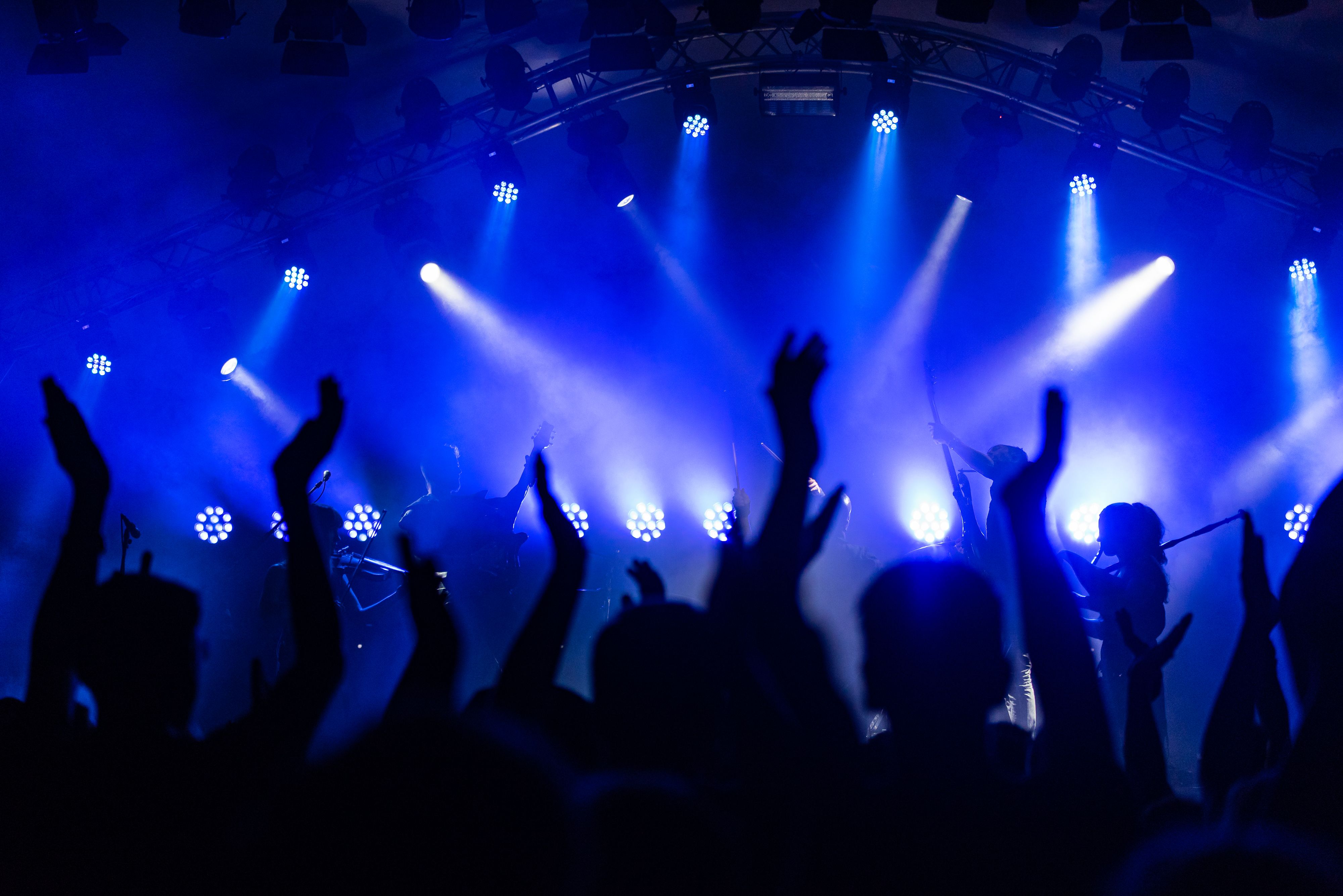
Successful events depend on more than the venue, décor and entertainment. Sound and lighting influence how guests experience almost everything happening around them.
Professional audio makes speeches, music and presentations clear, while effective lighting establishes atmosphere and directs attention. When these elements are planned together, they can transform an ordinary venue into an engaging event environment.
Sound and Lighting Set the Mood
Guests begin forming impressions as soon as they enter a venue. Lighting immediately influences whether a space feels sophisticated, energetic, intimate or dramatic.
Sound strengthens that atmosphere. Background music can create anticipation during arrivals, while changes in music, volume and audio cues can help transition guests between different parts of the program.
Silver Grifo, Owner at Audio Visual Nation, emphasizes the importance of combining the right technology with experienced professionals. “Great event AV should support the experience without distracting from it. When sound is clear, lighting complements the environment and technicians are prepared, guests can focus completely on the event.”
For planners, this means audio and lighting should be considered during the early stages of production rather than added after other decisions have already been made.
Professional Audio Keeps Guests Engaged
Poor audio can quickly undermine an otherwise impressive event. Guests may lose interest when presenters are difficult to hear, microphones repeatedly cut out or music sounds distorted.
The right sound system depends on several factors, including venue size, acoustics, audience capacity and event format. A conference presentation requires a different audio setup from a concert, awards ceremony or outdoor activation.
Audio engineers help determine speaker placement, manage microphones, balance different sound sources and monitor the system throughout the event. Their role becomes especially important when programs involve multiple presenters, performers or rapid transitions.
When audio works properly, guests rarely think about it. They simply hear everything clearly.
Lighting Directs Attention
Event lighting does considerably more than make a room visible. It helps determine where guests look and what they notice.
Focused lighting can draw attention toward a speaker, stage, product display or entertainment area. Lighting changes can also signal transitions, such as the beginning of a keynote, an award presentation or a major product reveal.
Color provides another creative tool. Warm tones can make an environment feel intimate, while brighter colors and dynamic effects can introduce energy.
Lighting therefore becomes part of the communication strategy rather than simply a technical requirement.
Audio and Lighting Work Better Together
The strongest event productions coordinate audio and lighting rather than treating them as separate elements.
Consider a product launch. Music begins building as the room gradually darkens. Lighting focuses attention toward the stage before changing precisely as the product is revealed. The individual effects may be simple, but their synchronization makes the moment more memorable.
The same principle applies to conferences, concerts, galas and corporate events. Lighting cues can correspond with music, presentations and stage movements to create smoother transitions throughout the program.
Effective AV production is ultimately about creating one cohesive experience.
Lighting Can Completely Transform a Venue
One of professional lighting's biggest advantages is its ability to change the appearance of a space without major physical alterations.
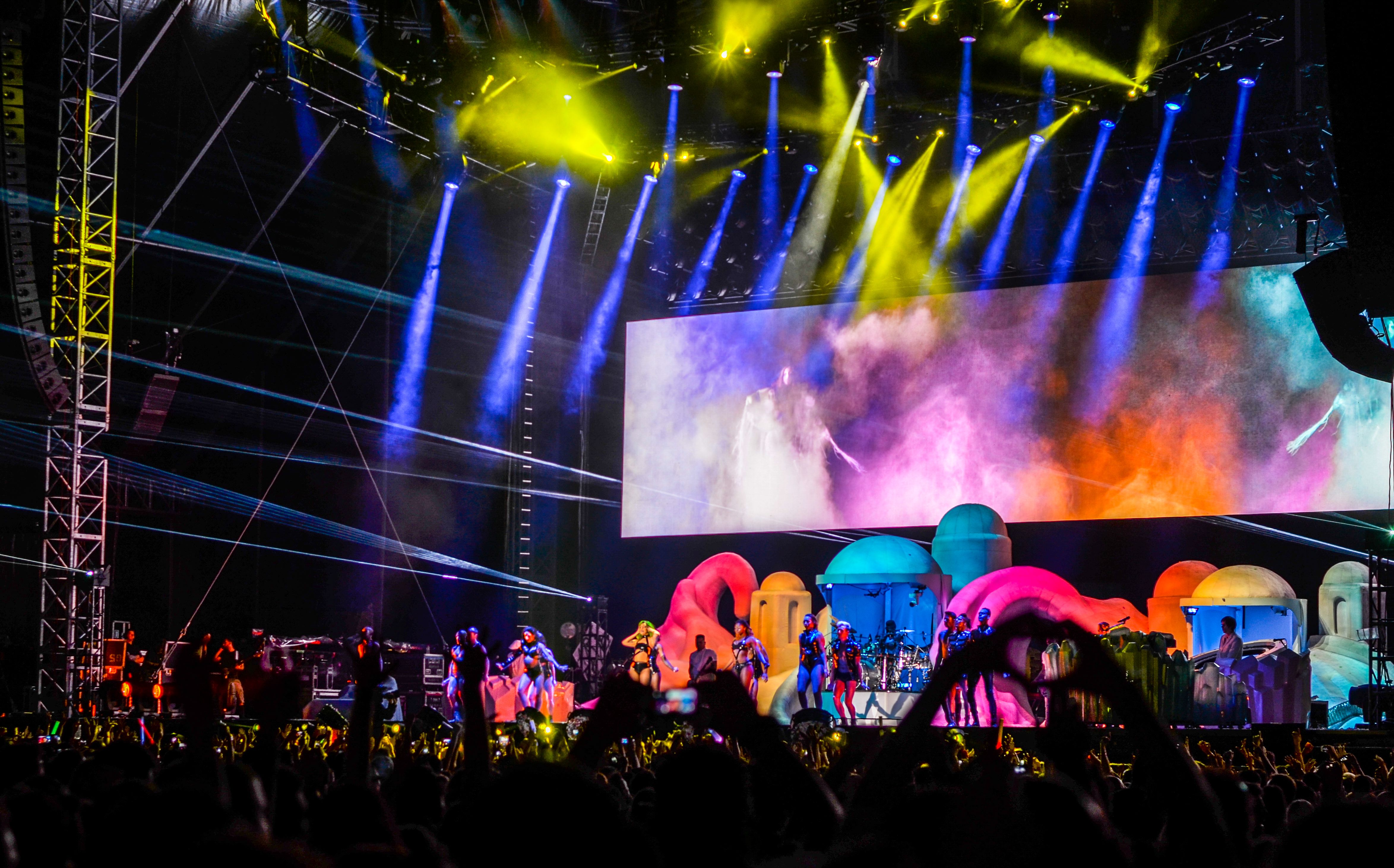
Uplighting can emphasize architectural features. Gobos can project logos or patterns onto walls and floors. Moving fixtures can create energy around performances, while carefully positioned spotlights can establish focal points.
Sam Connolly, Head of Lighting and Power at Creative Technology, has more than 15 years of experience in live-event lighting and production. His work demonstrates how lighting combines creative design with technical execution to shape the audience experience.
For event planners, this means lighting should be considered a design tool. The right approach can turn a relatively simple venue into an environment that feels specifically created for the occasion.
Experienced AV Crews Reduce Production Risk
High-quality equipment is important, but technology alone cannot guarantee a successful event.
Live productions involve changing schedules, different presenters, equipment adjustments and unexpected technical problems. Experienced technicians know how to prepare for these situations and respond quickly when something changes.
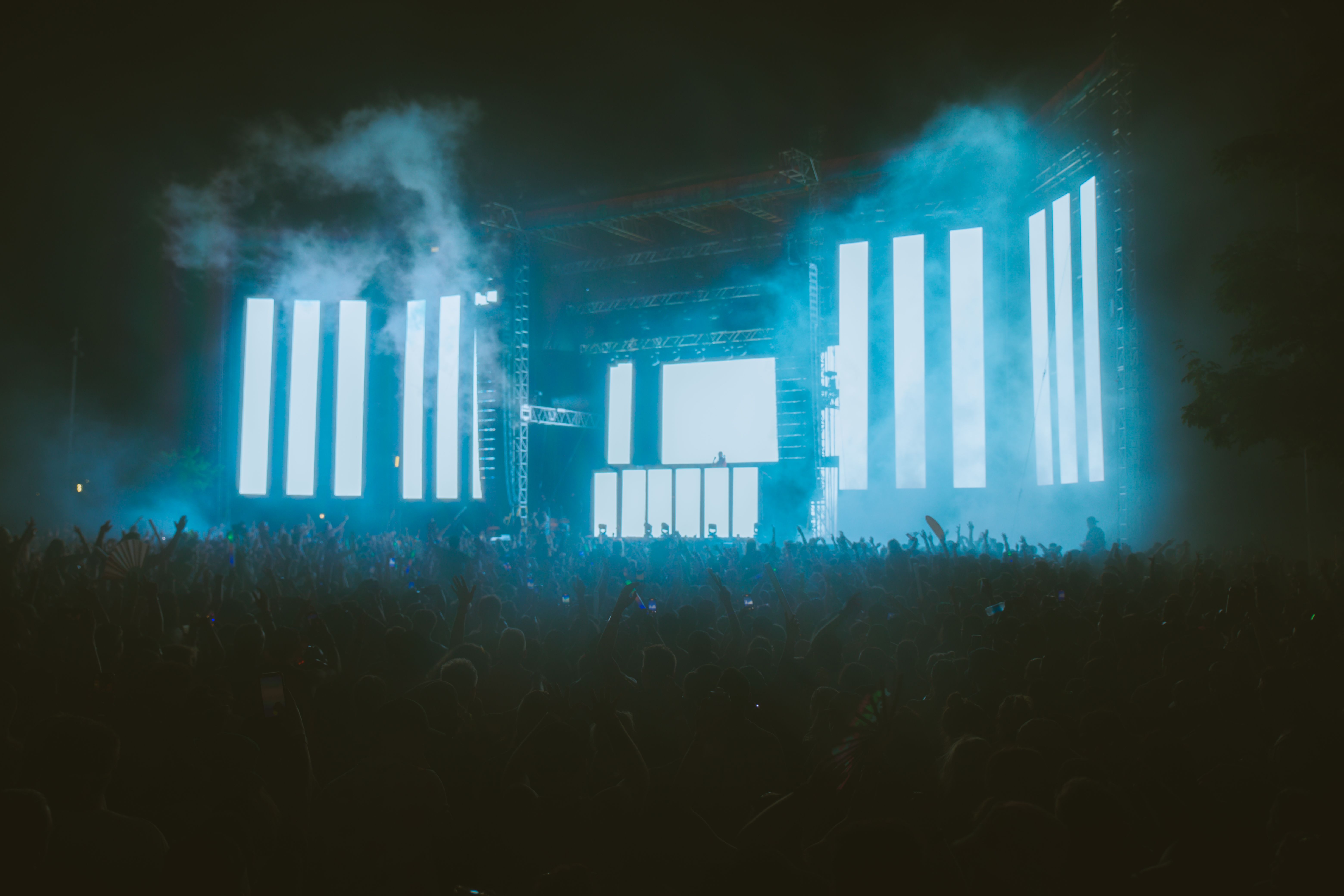
Grifo's experience is especially relevant because Audio Visual Nation focuses on providing skilled AV technicians for events throughout the United States. The company works across roles including audio, lighting, video, projection and general event production.
Experienced crews can test equipment, troubleshoot problems and coordinate technical cues without disrupting the audience experience.
That preparation becomes particularly valuable during complex productions where even a small technical delay can affect the entire schedule.
AV Planning Should Begin Early
Waiting until the final stages of event planning to consider sound and lighting can create unnecessary complications.
AV requirements can affect stage positioning, rigging, electrical power, seating arrangements, equipment locations and audience sightlines. Some venues may also have restrictions regarding equipment installation or power consumption.
Bringing AV professionals into planning conversations early gives them time to evaluate the venue and recommend appropriate systems.
This can also prevent planners from investing in design ideas that are difficult or expensive to execute technically.
Sound Can Make Events More Immersive
Audio can contribute to an event even when nobody is speaking or performing.
Ambient sounds, music and carefully timed effects can help establish an environment. A themed event might use background audio throughout different spaces, while a product launch could incorporate sound effects that build anticipation before a reveal.
Experiential events can take this further by coordinating sound with lighting, projection and physical installations.
These techniques allow attendees to experience the event through multiple senses rather than simply observing what happens on stage.
Lighting Supports Branding
Lighting can also reinforce an organization's visual identity.
Corporate colors can be incorporated into uplighting, stage designs and architectural illumination. Logos and branded graphics can be projected onto surfaces without requiring permanent installations.
The key is moderation. Filling every surface with a brand color can quickly become overwhelming.
Instead, lighting can introduce brand elements strategically while maintaining the overall atmosphere of the event.
This is particularly useful for conferences, product launches, trade shows and corporate celebrations where visual consistency matters.
Good AV Should Feel Effortless
Guests should not spend an event thinking about microphones, speakers, lighting fixtures or technical equipment.
They should hear presenters clearly, understand where their attention should be directed and experience smooth transitions between different parts of the program.
Creating that effortless experience requires considerable preparation behind the scenes. Audio needs to be balanced, lighting cues programmed, equipment tested and technical teams coordinated with presenters and performers.
As Grifo's perspective suggests, experienced people remain just as important as the equipment itself. Technology provides the tools, but skilled AV professionals determine how effectively those tools support the event.
Why Professional Sound and Lighting Matter
Sound and lighting affect nearly every aspect of the guest experience. They establish atmosphere, improve communication, direct attention, strengthen branding and help turn important moments into memorable ones.
Professional AV also reduces risk. Experienced technicians can anticipate potential problems, adapt to changing circumstances and ensure different production elements work together.
Whether the event is a conference, corporate meeting, gala, concert, product launch or private celebration, sound and lighting should never be treated as afterthoughts.
When planned properly, they become part of the event itself—helping organizers create an experience that guests can see, hear and remember.
Comments
Log in or sign up to join the conversation.